Dow Jones Breaks Below 200-Day Average Amid Stagflation Fears
The Dow plunged 768 points to 46,225 on March 18, breaking below its 200-day moving average for the first time in 2026 as oil-driven inflation and war fears mount.
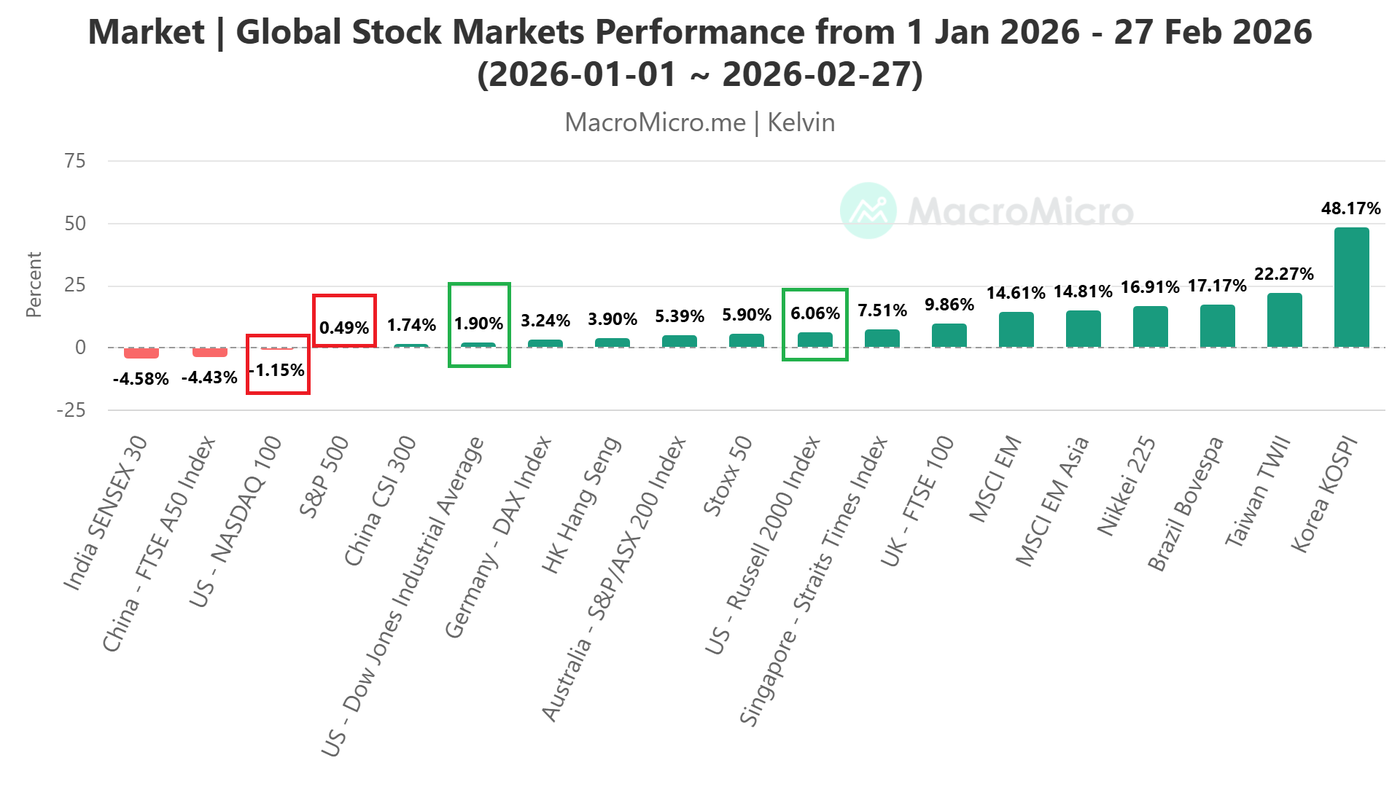
What Happened
On March 18, 2026, the Dow Jones Industrial Average fell sharply by 768 points, or 1.63 percent, closing at 46,225. This marked the first time in 2026 that the index dropped below its 200-day moving average of 46,330 — a technical threshold widely monitored by institutional investors and algorithmic trading systems.
The selloff extended throughout the trading session as selling pressure intensified after each failed recovery attempt. Trading volume exceeded 150 percent of the average, indicating broad institutional participation in the selloff. The broader market also suffered with the S&P 500 falling 1.33 percent and the NASDAQ declining 1.39 percent.
Why This Matters
Breaking below the 200-day moving average is a technically significant event. Historically, when the Dow drops below this level and sustains the break, markets have often experienced extended periods of decline. The month-to-date decline exceeding 5 percent marks the worst monthly performance since 2022.
Three key factors are converging to create pressure: oil prices surging above 103 dollars per barrel due to Iran-Israel tensions, the Federal Reserve holding rates at 3.5 to 3.75 percent with projections of only one cut remaining in 2026, and growing stagflation fears — the toxic combination of slowing economic growth and persistent inflation.
Investors are facing an environment where traditional policy tools have limited effectiveness. Cutting rates to stimulate growth risks worsening inflation, while keeping rates elevated to control inflation could push the economy into a deeper downturn.
What to Watch Next
References
▸ A portfolio of $100,000 in DJIA index funds lost approximately $4,200 in this single session -- equivalent to two months of average rent.
Frequently Asked Questions
The most common questions about the Dow Jones decline and its implications.
Related Topics
Stay on top of trends
Bookmark this page and check back often for the latest updates and insights.