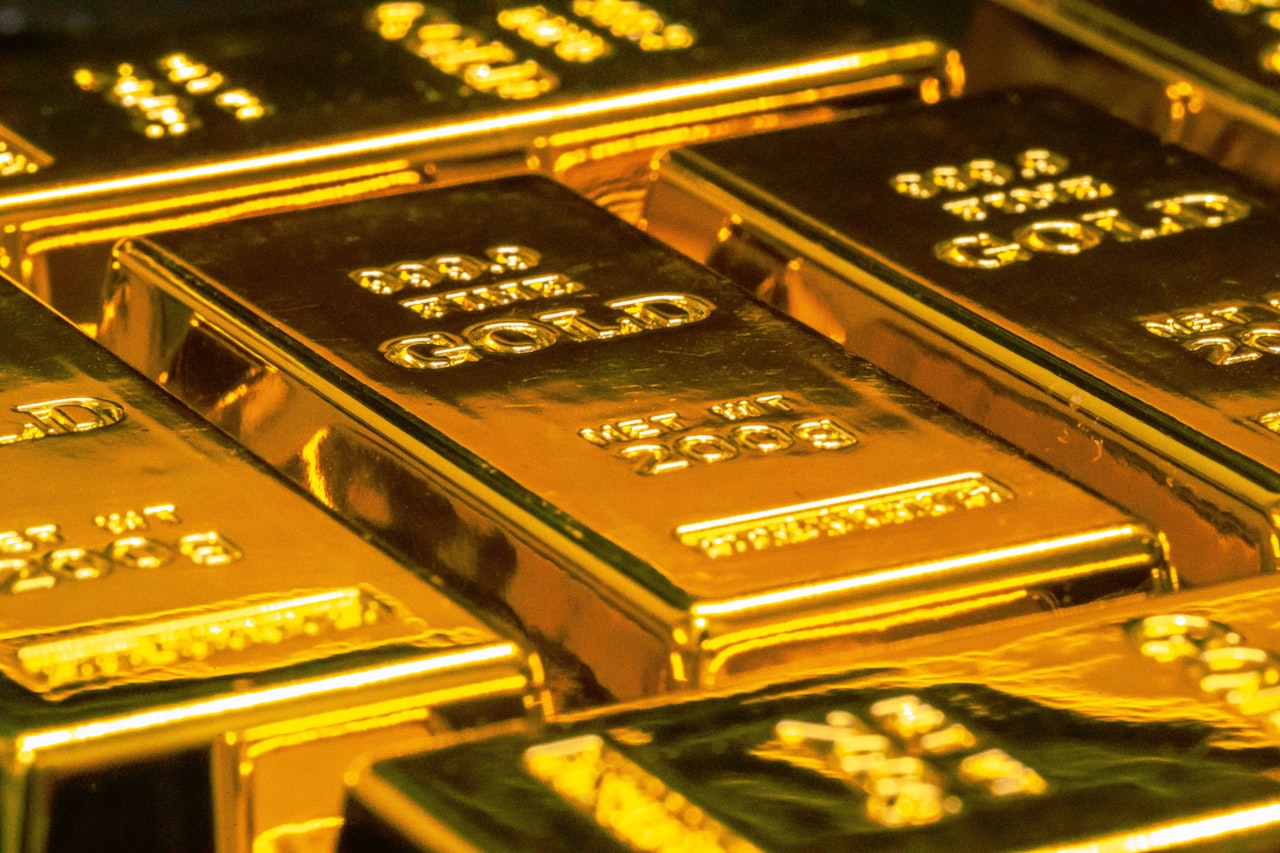
Photo: Unsplash — Gold bars in vault — safe haven status under question
What Happened?
The March 19, 2026 trading session witnessed an unexpected collapse in gold — the precious metal typically viewed as a 'safe haven' during market turbulence. But this time, gold fell alongside equities as a chain of events triggered broad liquidity flight:[1]
US Producer Prices Surge
March 2026 PPI rose 0.7% — double the 0.3% forecast. Stronger-than-expected persistent inflation signal, betting on rate cuts faded.
Fed More Hawkish Than Expected
Fed officials signaled 'higher for longer' rates following the price data. USD surged, reducing gold's appeal as a non-yielding asset.
Global Equity Selloff
S&P 500 fell 2.4%, Stoxx 600 lost 1.9%. Leveraged equity funds faced urgent margin calls requiring immediate cash.
Gold: Most Liquid Asset to Sell
To raise cash quickly, institutional investors sold gold — easier to sell than bonds or real estate — driving prices to $4,830.
Why Do Margin Calls Affect Gold?
Many are surprised that gold — a 'safe' asset — falls during market turmoil. Here is the exact mechanism:
Equities Plunge
Global stock indices fell sharply as US inflation data exceeded expectations. S&P 500 lost 2.4%, Nasdaq dropped 3.1%.
Brokers Issue Margin Calls
Leveraged investors received notices to deposit additional margin or liquidate positions within 24 hours.
Safe Assets Sold for Cash
To raise cash quickly, institutional investors sold gold — a highly liquid asset easily sold on any market.
Gold Falls 3%
Synchronized selling pressure drove gold from $4,986 to $4,830/oz during the March 19, 2026 trading session.
Photo: Unsplash — Gold coins and financial documents — margin calls forcing liquidation
Key Data Points
Is Gold Still a 'Safe Haven'?
Beyond today's session, analysts are debating gold's long-term role:[2]
Over 50 years, gold still preserves purchasing power better than fiat currency. This is short-term volatility.
Looking at the full 2025-2026 period, gold still outperforms the S&P 500 on a year-to-date basis.
PBOC, ECB, and Fed continue buying. Institutional demand offsets retail liquidation.
For the second time in 3 years, gold fell alongside equities rather than moving inverse. Correlation breakdown.
DXY rose 0.87% the same day, making USD-priced gold more expensive for international investors.
With the Fed keeping rates high, gold's opportunity cost (no yield) is too large vs. 5.2% Treasuries.
Photo: Unsplash — Gold price chart on trading terminal — gold price movement analysis
Broader Context
Today's 3% decline follows gold's strong run to above $4,986/oz — 2026 record levels — fueled by geopolitical fears and central bank accumulation. However, at elevated price levels, investors used more leverage, making margin calls more impactful. This is the second time in 2026 that gold fell with equities during a major selloff — raising serious questions about precious metals' protective capacity in the modern financial environment.[3]
Medium-Long Term: Fundamentals Solid
Emerging market central banks continue large purchases. Jewelry demand from India and China remains stable. New mine supply growing very slowly.
Short Term: Pressure May Continue
If the Fed stays hawkish and USD remains strong, gold could test $4,700-$4,750 before recovering. Many leveraged funds still need to deleverage.
What Investors Need to Know
Avoid Leverage When Gold is at Peak
Leverage amplifies both gains and losses. When gold has risen sharply, margin call risk grows exponentially.
Diversify Beyond Gold
Investors should consider alternative assets: TIPS bonds, USD, and real estate as inflation hedges.
Monitor DXY and Fed Funds Rate
When USD strengthens and real rates turn positive, gold typically faces pressure. These indicators help predict short-term trends.
Gold Remains a Long-Term Inflation Hedge
Short-term volatility doesn't negate gold's 5,000-year history as a store of value. A 5-10% portfolio allocation remains reasonable.
References
▸ If you hold 5 taels of SJC gold, the value dropped approximately 37.5 million VND in a single session.
Frequently Asked Questions
More from this topic— Vietnam SJC Gold Price 2026: Live Tracker & Analysis
Related Topics
Stay on top of trends
Bookmark this page and check back often for the latest updates and insights.