The Sober Curious Movement 2026
The Alcohol-Free Generation
Millions of Gen Z and Millennials are choosing an alcohol-free lifestyle — not because they have to, but because they've discovered life is simply better without it.
The Story of a Movement
In 2018, author Ruby Warrington published her book "Sober Curious" — for the first time naming a trend that was quietly spreading: curiosity about an alcohol-free life. Not alcoholism, not total abstinence — simply asking the question: "What happens if I drink less?"
That simple question changed everything. By 2025, 41% of Americans participated in Dry January — an alcohol-free January. The movement grew 300% in 8 years. And in 2026, sober curious is no longer the exception — it is the mainstream.
Driving this wave is a unique combination: Gen Z grew up with TikTok and mental health awareness; Millennials tired of the “work hard, drink hard” culture; and non-alcoholic beverage brands exploding with quality rivaling their alcoholic counterparts. Many combine sober curiosity with practices like cold plunge recovery and Japanese walking to optimize whole-body wellness.
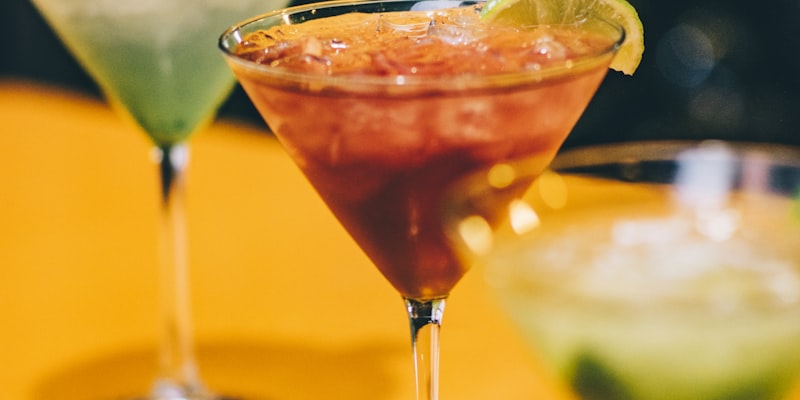
Photo: Unsplash — Sober Curious Movement 2026 — the alcohol-free generation with fresh botanical mocktails
Health Benefits Dashboard
What participants report after 30 alcohol-free days
Participants reported significantly improved sleep quality and deeper sleep cycles
Higher daily energy levels without the mid-afternoon crash from alcohol
Noticeable weight reduction within the first month of going alcohol-free
Reduced anxiety and depression symptoms, more emotional stability
Improved skin clarity, hydration and reduced redness reported by participants
Significant financial savings — average $400/month less on alcohol
Who Is Sober Curious?
Grew up health-conscious, prioritize wellness over social drinking norms
Reassessing alcohol's role after burnout; seeking cleaner lifestyle choices
Health-driven reduction after seeing long-term effects; doctor-advised cuts
52 countries now track Dry January participation, up from 6 countries in 2015
The Market Boom
The fastest-growing segment in beverage history
Source: Grand View Research 2024. E = estimate, P = projected
Fastest growing sub-category — +47% in 2024
Premium de-alcoholized wines gaining sommelier respect
Seedlip, Lyre's, Monday — craft distilleries without alcohol
Top Mocktail Trends 2026
Ingredients dominating menus at bars and restaurants worldwide
Stress-busting adaptogens in a beautiful ceremonial drink
Relaxation without the hangover — calming CBD with floral notes
The functional coffee alternative for focused energy
Probiotic-rich, tangy, and gorgeous in the glass
Celebrity Influence
Music legend Elton John, who has publicly shared his journey overcoming addiction, launched his alcohol-free sparkling wine brand "Elton John Zero" in January 2026. The product immediately sold out in the UK and US, becoming an icon of the sober curious movement.
Her non-alcoholic brand Betty Buzz became a cultural phenomenon
Co-founder of De Soi, an adaptogenic sparkling aperitif
Advocates for alcohol-free training seasons, reshaping pro sports culture
Publicly documented going sober in 2024, inspiring millions of fans
The Science Behind It
What alcohol actually does to your body and brain
Brain & Sleep
Alcohol suppresses REM sleep — the restorative stage. Even 1 drink reduces REM by 9.3%. Without alcohol, deep sleep cycles restore within 7 days, boosting memory consolidation and emotional regulation.
Liver & Metabolism
The liver processes all ingested alcohol as a priority toxin, pausing fat metabolism. After 2 weeks alcohol-free, liver enzyme levels normalize and fat burning resumes at full capacity.
Hormones & Mood
Alcohol disrupts serotonin and dopamine pathways, creating a cycle of anxiety and cravings. Without alcohol, natural dopamine regulation restores within 3–4 weeks, reducing anxiety by up to 40%.
Cognition & Clarity
Regular drinking shrinks the prefrontal cortex over time. Alcohol-free months show measurable gray matter recovery, faster reaction times, and improved working memory in study participants.
Vietnam & Sober Curious
The Craft Mocktail Wave in HCMC & Hanoi
Vietnam's traditional "nhậu" drinking culture is gradually shifting, especially among urban youth. HCMC is witnessing a boom in craft mocktail bars in Thao Dien, Phu My Hung, and District 3 — where creative bartenders craft non-alcoholic drinks with flavors just as complex as cocktails.
In Hanoi, "sober nights" events — social evenings without alcohol — are attracting hundreds of participants monthly. Healthy cafes and wellness bars are expanding their menus with functional beverages featuring adaptogens, medicinal mushrooms, and wellness herbal teas.
The 30-Day Challenge
A step-by-step guide to starting your sober curious journey
Clear your space of alcohol, stock up on mocktail ingredients, download a tracking app like Reframe or I Am Sober
Replace your evening drink with herbal tea or a mocktail ceremony. Notice sleep improvements and morning energy
Practice 'zebra striping' at social events — alternate AF drinks with water or mocktails. Prepare your go-to response
Celebrate your wins. Decide your long-term relationship with alcohol. Consider extending to 60 or 90 days
Apps to Support Your Journey
Neuroscience-based app with CBT techniques to reframe your relationship with alcohol
Track your sober days, money saved, and health milestones with a supportive community
Social network for sober and sober-curious people — connect, share, and celebrate
Simple sobriety clock and clocks with customizable motivation messages
▸ Cutting alcohol for 30 days can save the average American $150-$300 and reduce liver fat by up to 15%, according to medical studies.
References
- Sober Curious Movement — Ruby Warrington's Official Site
- Dry January Participation Statistics 2025 — Alcohol Change UK
- Non-Alcoholic Beverage Market Growth 2026 — IWSR Drinks Market Analysis
- Health Benefits of Alcohol Reduction — Harvard Medical School
- Gen Z Drinking Less Than Previous Generations — Gallup Research
Frequently Asked Questions
Related Topics
Stay on top of trends
Bookmark this page and check back often for the latest updates and insights.