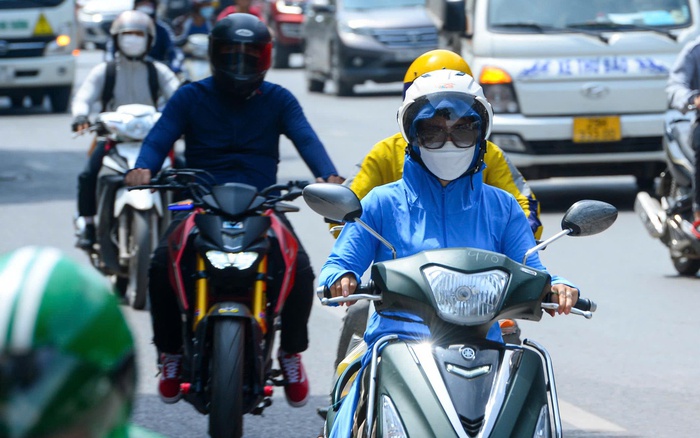
Extreme Heat Warning — 09.04.2026
Vietnam Heatwave April 9: Central Region Exceeds 40°C
Vietnam faces severe heatwave on April 9 with Central Vietnam exceeding 40°C. National forecasting center warns of extreme heat from Thanh Hoa to Da Nang.
Published: April 9, 2026|Photo: Cafebiz.vn
Key Takeaways
- Central Vietnam hit 40°C+ from Thanh Hóa to Đà Nẵng on April 9, 2026.
- Northern Vietnam 36–38°C with high humidity, heat index up to 42°C.
- Mekong Delta 35–37°C — farmers accelerating rice harvest.
- EVN forecasts record April electricity demand.
- La Niña transition year — hottest April since 2020.
April 9, 2026: Nationwide Scorcher
On April 9, 2026, all three regions of Vietnam were engulfed in an extreme heatwave. Central Vietnam recorded peak temperatures exceeding 40°C across multiple provinces, while the North endured suffocating 36–38°C heat with high humidity. The South, relatively “cooler” at 35–37°C, still faced major challenges for agriculture and the power grid, according to Cafebiz.vn on April 9, 2026.
This marks the third consecutive day of nationwide heat, and meteorologists believe the heatwave could persist until mid-April. According to MotTheGioi.vn, central provinces were warned of sudden afternoon thunderstorms, creating large temperature swings throughout the day.
Regional Breakdown
Northern Vietnam
Hanoi and delta provinces recorded 36–38°C. High humidity pushed the heat index to 42°C. Residents advised to limit outdoor activities from 10 AM to 4 PM.
Central Vietnam
Hottest region nationwide. Thanh Hóa, Nghệ An, Hà Tĩnh, Đà Nẵng all exceeded 40°C. Foehn winds (gió Lào) from the west made air dry and scorching. Sudden thunderstorms warned for late afternoon.
Southern Vietnam
Mekong Delta registered 35–37°C. Farmers accelerated the Winter-Spring rice harvest to minimize heat damage. UV levels reached very high at midday.

UV Index & Health Risks
UV index reached 10–11 in Central Vietnam, classified as "extreme" by WHO standards. Direct exposure for just 15 minutes can cause second-degree sunburn. Health authorities advise:
- Avoid outdoor activities from 10 AM to 4 PM.
- Drink 2–3 liters daily, prioritize electrolyte drinks.
- Wear wide-brim hats, UV400 sunglasses, and SPF 50+ sunscreen.
- Monitor elderly, children, and outdoor workers closely.
- Heat stroke signs: dizziness, nausea, severe headache — seek immediate help.
Climate Context: La Niña & Warming Trend
2026 is a La Niña transition year, as the ENSO phenomenon shifts from its cool phase toward neutral conditions. During this transition, Pacific sea surface temperatures are rising again, compounding with global warming trends to push regional temperatures abnormally high.
According to meteorological data, this is the hottest April Vietnam has recorded since 2020. Earlier and more intense heatwaves point to a new climate pattern where summer effectively begins 2–3 weeks earlier than historical norms.
Historical Comparison — April Peak Temps (Central Vietnam)
Source: National Center for Hydro-Meteorological Forecasting data, ZestLab analysis
Agriculture Impact
Mekong Delta farmers are racing against the heat, accelerating the Winter-Spring rice harvest 1–2 weeks earlier than planned. Temperatures above 35°C during the grain-filling stage can reduce yields by 10–15%, according to MotTheGioi.vn.
Central provinces face compounded drought risks. River levels are dropping and reservoirs depleted after extended dry spells. Tens of thousands of hectares of rice and crops are estimated to be at risk.
→ A 12% yield drop on 1 hectare means roughly 4–5 million VND in lost profit per crop cycle.

Surging Electricity Demand
Vietnam Electricity (EVN) forecasts record April 2026 demand, with peak capacity potentially exceeding the 47,000 MW threshold. The surge is primarily driven by cooling needs — air conditioning, fans, and industrial refrigeration systems.
EVN has maximized thermal and gas power generation while negotiating electricity imports from Laos and China. However, hydropower output remains below average due to depleted reservoir levels, putting enormous pressure on the national grid.
→ Households running AC 8 hours/day can expect electricity bills to rise by 400,000–700,000 VND per month.
7-Day Forecast
Forecast for Central Vietnam. Source: National Center for Hydro-Meteorological Forecasting, ZestLab analysis as of April 9, 2026.
Practical Heat-Beating Tips
Stay hydrated
Drink water regularly, do not wait until thirsty. Avoid alcohol and coffee as they accelerate dehydration. Coconut water, salted lemonade, and electrolyte solutions are best.
Optimize AC usage
Set temperature to 26–28°C instead of 20–22°C to save 30–40% on electricity. Combine curtains and ceiling fans for better efficiency.
Light diet
Eat more vegetables and water-rich fruits (watermelon, cucumber). Avoid heavy, fried foods as they generate body heat.
Protect your home
Use insulated curtains and keep doors closed at midday. Planting trees around the house can reduce ambient temperature by 2–3°C.
Heat stroke first aid
Move victim to shade, loosen clothing, apply cold compresses. Give small sips of water. Call emergency 115 if symptoms are severe.
Related Coverage
References
Frequently Asked Questions
Data and forecasts based on sources from the National Center for Hydro-Meteorological Forecasting, Cafebiz.vn, MotTheGioi.vn, and Thanh Niên as of April 9, 2026. Analysis and synthesis by ZestLab.