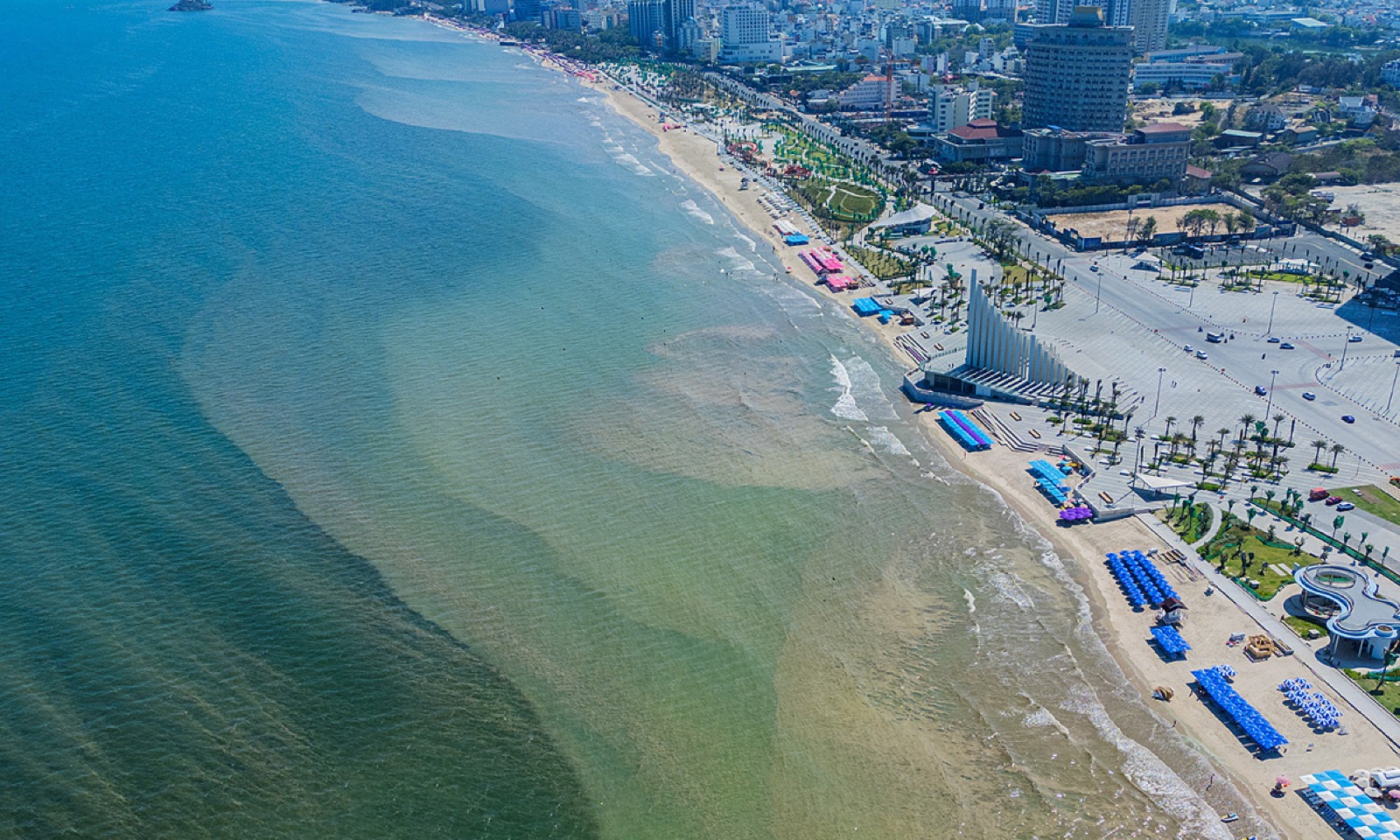
Vung Tau Sea Turns Crimson and Matcha-Green
Trichodesmium cyanobacterium turns Vung Tau seawater crimson and matcha-green. Climate change indicator.
What Happened?
On April 17, 2026, visitors and residents of Vung Tau were stunned to see the seawater along the coast shift into two striking colors -- deep crimson and matcha-green. The phenomenon stretched for kilometers along the beach, transforming one of Vietnam's most popular resort destinations into a spectacle that was both mesmerizing and alarming.
The cause was identified: Trichodesmium cyanobacteria, commonly known as 'sea sawdust,' blooming aggressively due to rising sea temperatures. These nitrogen-fixing microorganisms create visible discoloration when they bloom in large concentrations.
The Trichodesmium Organism
Trichodesmium is a genus of cyanobacteria found in surface layers of tropical and subtropical oceans. Its common name 'sea sawdust' comes from the appearance of its filaments floating on the water surface, resembling wood sawdust.
As seas warm due to climate change and El Nino, Trichodesmium reproduces faster than normal. Large blooms can release toxins harmful to fish, marine life, and humans who come in direct contact.
Organism Profile
Environmental and Health Risks
Marine Life
Trichodesmium toxins damage fish gills, causing mass marine die-offs during prolonged blooms.
Human Health
Direct contact may cause skin and eye irritation. Ingesting contaminated water can lead to gastrointestinal issues.
Climate Change
Bloom frequency and intensity are increasing -- a clear indicator of global ocean warming.
Economic Impact
Vung Tau is one of Vietnam's top beach resort destinations, just 100 km from Ho Chi Minh City. The seawater discoloration has prompted tourist cancellations and raised concerns about declining revenue for coastal businesses. Local fishermen are also affected as catch volumes decline as fish avoid bloom zones.
Local authorities have issued temporary advisories limiting swimming and encouraging visitors to monitor updates. However, if the phenomenon persists, economic impacts could spread across the entire southern coastal tourism sector.

The Climate Connection
Marine scientists emphasize that the Vung Tau Trichodesmium bloom is not an isolated event. It is part of a global trend: as oceans warm, cyanobacterial blooms are becoming more frequent, extensive, and dangerous.
Three Vietnamese cities have entered Asia's top 100 most polluted in April 2026, largely due to heat and drought. Combined with marine blooms, the overall picture shows Vietnam is on the front lines of climate change.
"Each bloom event is a warning signal from the ocean. We are witnessing changes that scientists decades ago predicted would only happen by century's end." -- ZestLab Analysis
What Should Visitors Know?
Avoid swimming in discolored zones
Abnormally red or green seawater may contain toxins. Follow local authority advisories.
Avoid seafood from bloom areas
Trichodesmium toxins can accumulate in fish and shellfish. Choose certified seafood sources.
Monitor updates
The phenomenon may persist or recur. Check government announcements before visiting beaches.
Key Takeaways
- 01Vung Tau seawater turned crimson and matcha-green due to a Trichodesmium cyanobacterium ('sea sawdust') bloom -- driven by rising sea temperatures.
- 02Trichodesmium toxins harm fish and marine life and can affect human health through direct contact. Visitors should avoid swimming in affected areas.
- 03This is not an isolated event but a sign of global climate change. Cyanobacterial blooms are becoming increasingly frequent and extensive worldwide.
- 04Economic impact is significant: tourism drops, fishermen lose catch, and Vung Tau's beach reputation suffers. Recovery depends on how quickly the bloom subsides.
Related Topics
Stay on top of trends
Bookmark this page and check back often for the latest updates and insights.