West Bengal Elections 2026: BJP vs Mamata — Full Preview
Elections April 23-29, counting May 4. BJP launches manifesto; Mamata files from Bhabanipur. Crucial India state election.
Published: April 13, 2026
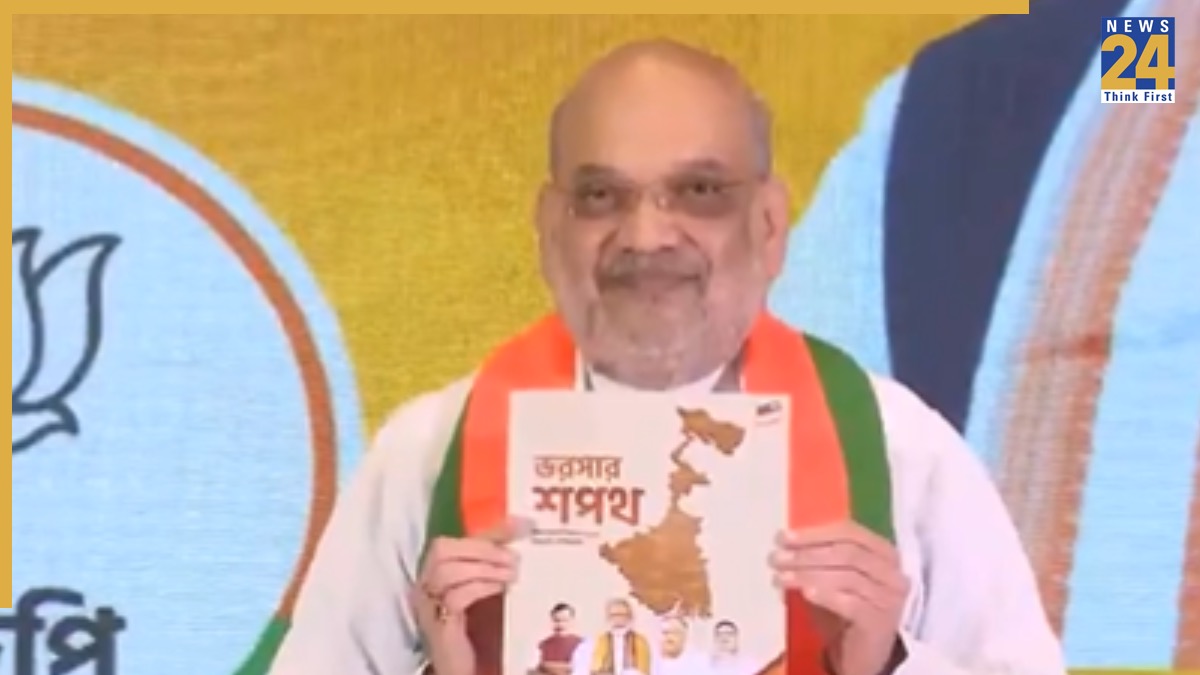
Photo: News24Online — BJP manifesto launch event
Key Takeaways
- West Bengal elections span April 23-29, with counting on May 4, 2026.
- The primary contest pits the ruling TMC under Mamata Banerjee against BJP's first serious bid to capture Bengal.
- Mamata alleges BJP committed Rs 1,000 crore (~$120M) to unseat the TMC government.
- TMC won 213/294 seats in 2021, but BJP surged from 3 seats (2016) to 77 seats.
- With 100 million people, West Bengal is eastern India's most critical electoral battleground.
Election Overview
The 2026 West Bengal Legislative Assembly election is one of India's most closely watched political events. With 294 seats contested across two polling phases, the race primarily between the ruling Trinamool Congress (TMC) and the Bharatiya Janata Party (BJP) represents a clash between regional identity politics and national Hindu nationalist momentum.
West Bengal, with approximately 100 million people, is India's fourth most populous state. The election outcome impacts not just state governance but also the balance of power in the Rajya Sabha (upper house) and shapes the trajectory of the next presidential election cycle.
Polling Dates
Apr 23 & 29
Two phases, 294 constituencies
Counting Day
May 4
Majority needed: 148 seats
2021 Results & Historical Context
In 2021, the TMC secured a resounding victory with 213/294 seats despite facing an unprecedented BJP campaign. Notably, BJP surged from just 3 seats (2016) to 77 seats, signaling a significant political shift in Bengal.
2021 Seat Distribution (Total 294)
West Bengal was governed by the Left Front for 34 years (1977-2011) before Mamata Banerjee's TMC took power. Since then, TMC has consistently held state governance while BJP gradually replaced the Left as the primary opposition force.
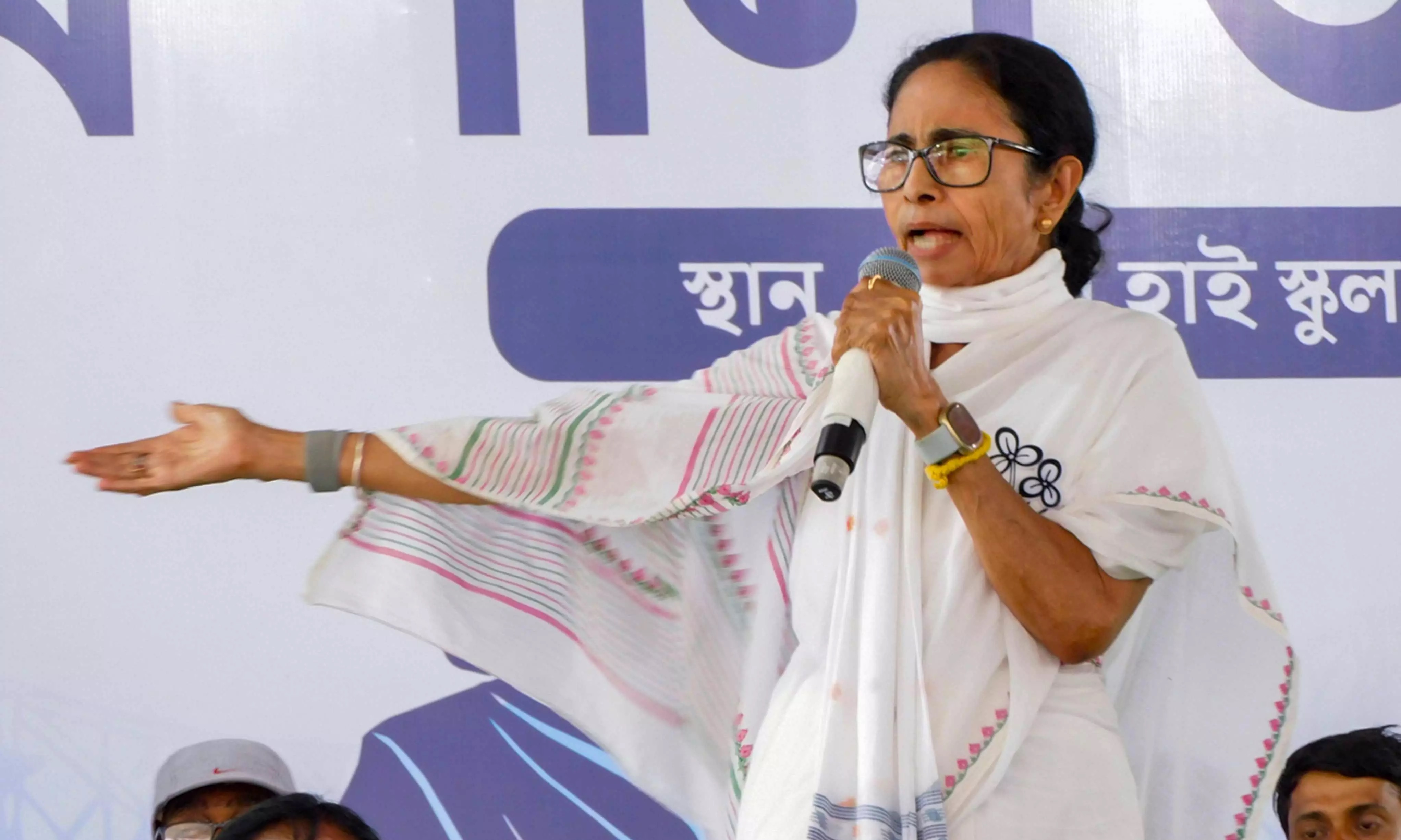
Photo: PTI via The Federal — Mamata Banerjee at campaign rally
BJP Manifesto Analysis
BJP released its Sankalp Patra (Pledge Manifesto) for West Bengal with emphasis on economic development and anti-corruption measures. The manifesto promises industrialization, improved transport connectivity, and expansion of central welfare schemes to the state level.
Economic Growth
Commitment to attract investment, develop industrial zones, and create employment for Bengal's youth.
Anti-Corruption
Pledges to investigate corruption allegations under TMC rule and implement administrative transparency reforms.
Infrastructure
Plans to expand highways, modernize Kolkata port, and improve rural connectivity across the state.
Social Welfare
Expand Ayushman Bharat (health insurance) and PM-Kisan (farmer support) coverage to all eligible households.
ZestLab analysis: BJP's manifesto focuses on a change narrative, targeting TMC anti-incumbency. However, history suggests Bengal voters often prioritize regional identity politics over development promises from national parties.
Mamata's Campaign Strategy
Chief Minister Mamata Banerjee is running a two-pronged campaign: defending TMC's governance record while attacking BJP through allegations of outside political interference. She filed her nomination from Bhabanipur -- a constituency she has represented for years and considers her political fortress.
The Rs 1,000 Crore Allegation
In a dramatic press conference, Mamata Banerjee alleged BJP committed Rs 1,000 crore (~$120M) to topple the TMC government. According to her, BJP employed a combination of financial inducements and threats to lure TMC leaders to defect, particularly targeting legislators in rural constituencies.
Sources: The Federal, Deccan Herald -- April 2026

Photo: Asianet News — Mamata Banerjee filing nomination at Bhabanipur
Key Constituencies to Watch
With 294 constituencies, several play outsized roles in determining the overall outcome. Below are the most consequential seats to watch.
Bhabanipur
TMC strongholdKolkata
Mamata Banerjee's seat
Nandigram
ContestedPurba Medinipur
2021 flashpoint, Mamata lost here
Singur
TMCHooghly
Anti-land acquisition movement origin
Cooch Behar
BJP leaningNorth Bengal
Communal tensions, BJP target
Siliguri
ContestedDarjeeling
Left bastion, multi-cornered fight
Howrah
ContestedHowrah
Industrial belt, swing district
Issues at Stake
Corruption & Governance
BJP alleges systemic corruption under TMC, while TMC counters that central agencies are weaponized against political opponents.
Economic Development
West Bengal lags behind other states in foreign direct investment and industrial growth. Both parties promise job creation and investment attraction.
Identity & Religious Politics
BJP pushes its Hindu nationalist agenda, while TMC maintains a secular stance and emphasizes Bengali cultural identity as a counter-narrative.
Border Security
With a long border with Bangladesh, illegal immigration and border security remain sensitive topics exploited by both sides in their campaigns.
Election Timeline
March 2026
Election Commission Announces Schedule
The Election Commission of India announces two-phase polling for West Bengal: April 23 and April 29, with counting on May 4. The schedule sets off intense campaign preparations across all parties.
→ For India's 100 million Bengalis, this election determines governance for the next five years -- from infrastructure spending to social welfare schemes.
Early April 2026
BJP Launches Sankalp Patra Manifesto
The BJP releases its Sankalp Patra (manifesto) for West Bengal, promising economic development, anti-corruption drives, and governance reforms. The manifesto positions BJP as a change agent against what it calls TMC's misrule.
→ BJP's manifesto signals its most aggressive push yet to capture Bengal, a state that has eluded the party despite strong national presence.
April 7, 2026
Mamata Banerjee Files Nomination from Bhabanipur
Chief Minister Mamata Banerjee files her nomination from the Bhabanipur constituency in Kolkata, her traditional stronghold. She arrives with a massive rally, projecting confidence about a third consecutive term.
→ Bhabanipur is a prestige battle -- if Mamata loses her own seat, the political shockwave would reshape Indian politics.
April 2026
Mamata Alleges BJP's Rs 1,000 Crore Deal
In a press conference, Mamata Banerjee alleges that the BJP has committed Rs 1,000 crore to unseat the TMC from power. She claims BJP agents are threatening and bribing TMC leaders to switch sides, accusing the party of attempting to divide Bengal.
→ The allegation intensifies the campaign rhetoric and brings questions about electoral financing into public focus.
April 8, 2026
Campaigns Enter Final Stretch
With two weeks to polling, all parties escalate their ground campaigns. BJP deploys senior national leaders including PM Modi for Bengal rallies, while TMC focuses on Mamata's grassroots connect and anti-BJP narrative.
→ For Indian markets, Bengal's outcome could shift investor sentiment on policy continuity and state-level economic reforms.
India's Political Landscape
West Bengal remains one of the few states where BJP has not been able to secure control. With BJP governing at the center, Bengal's outcome will influence the balance of power between the ruling NDA alliance and the opposition INDIA bloc in the Rajya Sabha.
The election is also a litmus test for Mamata Banerjee's stature as a national opposition leader. If TMC wins convincingly, Mamata could solidify her position as a potential prime ministerial candidate for the opposition alliance in the next general election.
From an economic perspective, the West Bengal election outcome could impact Indian stock markets. Per ZestLab analysis, investors are particularly focused on foreign investment policies and labor reforms that the new government will pursue.
Vietnam Perspective
India and Vietnam share a Comprehensive Strategic Partnership. The West Bengal election, though state-level, matters to Vietnam because Bengal is a crucial trade gateway to Southeast Asia through Kolkata port. The new Bengal government could influence bilateral economic cooperation.
India's political system -- with competitive multi-party elections at both national and state levels -- differs significantly from Vietnam's single-party governance model. However, both nations face shared challenges: balancing economic development with social welfare provision for populations exceeding 100 million people.
Related Articles
References
Frequently Asked Questions
Related Topics
Stay on top of trends
Bookmark this page and check back often for the latest updates and insights.