The Numbers Behind the AI Energy Crisis
The AI boom is not just a story about data and algorithms — it is a story about electricity, infrastructure, and grid stability. A doubling of power consumption in under four years is a phenomenon without precedent in modern energy history.
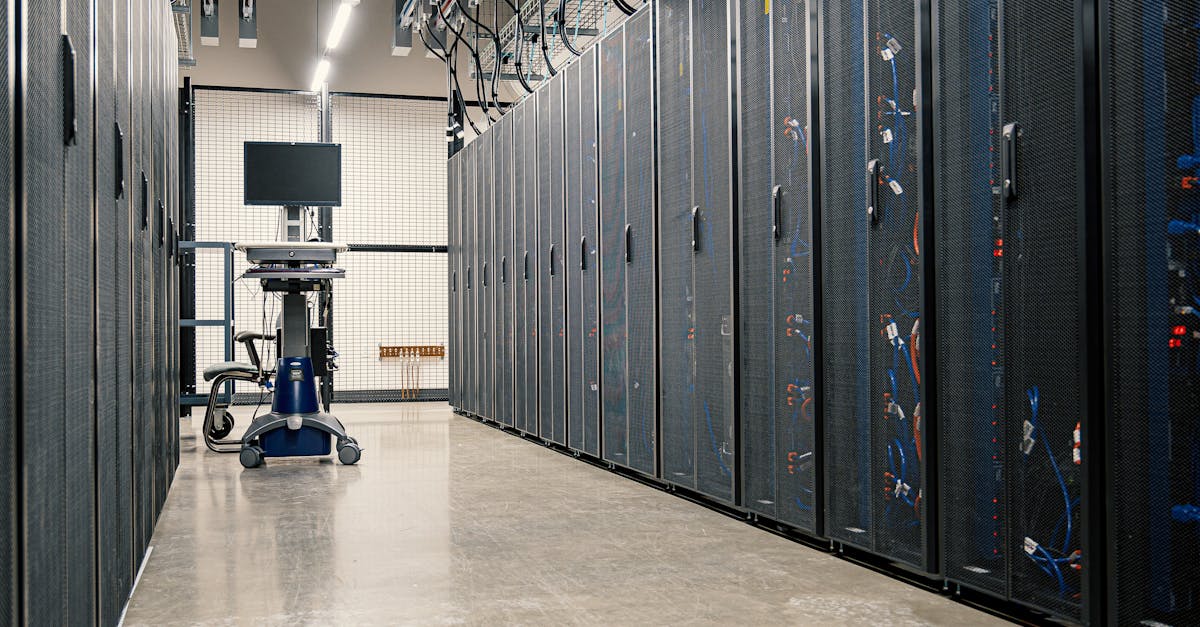
Photo: Data Center Knowledge — Data center power revolution 2026
Who Draws the Most Power?
Four major tech companies account for the bulk of global data center power consumption growth. Each is building AI infrastructure at unprecedented scale, with power demands rising exponentially.
Where Does Data Center Power Come From?
Despite numerous renewable energy pledges, over 60% of power feeding US data centers still comes from fossil fuels. The pace of renewable construction simply cannot match exploding demand.
Why Is AI Pushing the Grid to Its Limits?
The AI energy crisis is not the result of a single cause but the convergence of four simultaneous factors: exploding AI demand, aging grid infrastructure, geographic concentration, and the renewable energy gap.
Next-Gen Data Center Networking Hardware
Networking hardware in modern data centers includes not just GPU servers but an entire ecosystem of switches, fiber interconnects, and cooling systems — all consuming significant power and being upgraded at pace to keep up with AI demand.
Photo: Hippopx — Server racks and AI data center infrastructure
Dominion Energy emergency rate hike request
New data center demand exceeding reserve margins
New hyperscale campuses stressing transmission
Who Is Affected and Who Is Responding?
The AI energy crisis creates tensions among multiple stakeholder groups with conflicting interests: tech companies wanting growth, ratepayers worried about costs, grid operators concerned about reliability, and legislators seeking accountability.
Big AI Companies
Google, Microsoft, Amazon, and Meta are building data centers at unprecedented scale. They have made clean energy commitments but are struggling to balance climate pledges with the explosive power demands of AI products.
Ratepayers & Voters
Electricity ratepayers in Virginia, Georgia, and Arizona are seeing bills rise partly due to socialized grid infrastructure upgrade costs. Political backlash is growing as residents ask why wealthy AI companies don't pay their own grid costs.
Grid Operators
PJM, ERCOT, and other regional grid operators are sounding reliability shortfall alarms. PJM projects a 6 gigawatt shortfall by 2027 — equivalent to the output of six large nuclear power plants.
Legislators & Regulators
Legislators in multiple states are proposing laws requiring data centers to report energy consumption, pay grid impact fees, or provide clean power sourcing evidence before being permitted to expand.
Can the AI Energy Crisis Be Solved?
There is no silver bullet solution. Addressing the crisis requires a combination of efficiency improvements, scalable clean power generation, and policy reform — all happening simultaneously.
NVIDIA, AMD, and Intel are racing to improve computational efficiency. Newer GPU architectures deliver dramatically more AI operations per watt than predecessors — but workload growth is still outpacing efficiency gains.
Nuclear is increasingly viewed as the only scalable clean power solution for baseload AI computing. Microsoft, Google, and Amazon have signed nuclear power purchase agreements and are investing in small modular reactors.
Legislators are debating requiring data centers to pay capacity fees reflecting their true grid impact, rather than socializing costs to residential consumers. The tech industry opposes such measures.
Photo: Data Center Knowledge — AI smart grid infrastructure concept
How Large Is the Crisis?
Read more related trends: Vietnam Space Center 2026 and Perplexity AI Search 2026.
▸ The average US household electricity bill could rise $15-25/month due to grid upgrade costs driven by AI data center demand.
▸ Each ChatGPT query uses 10x more power than a Google search — equivalent to running an LED bulb for 20 minutes.