Sat, Apr 5
Opening & policy framing
G7 health ministers and WHO Director-General Dr Tedros Adhanom Ghebreyesus opened with pledges to shield science from political pressure.
From April 5 to 7, 2026, scientists from more than 80 countries gathered in Lyon under France's G7 Presidency. The One Health Summit coincided with World Health Day and opened a year-long campaign titled Together for Health. Stand with Science.
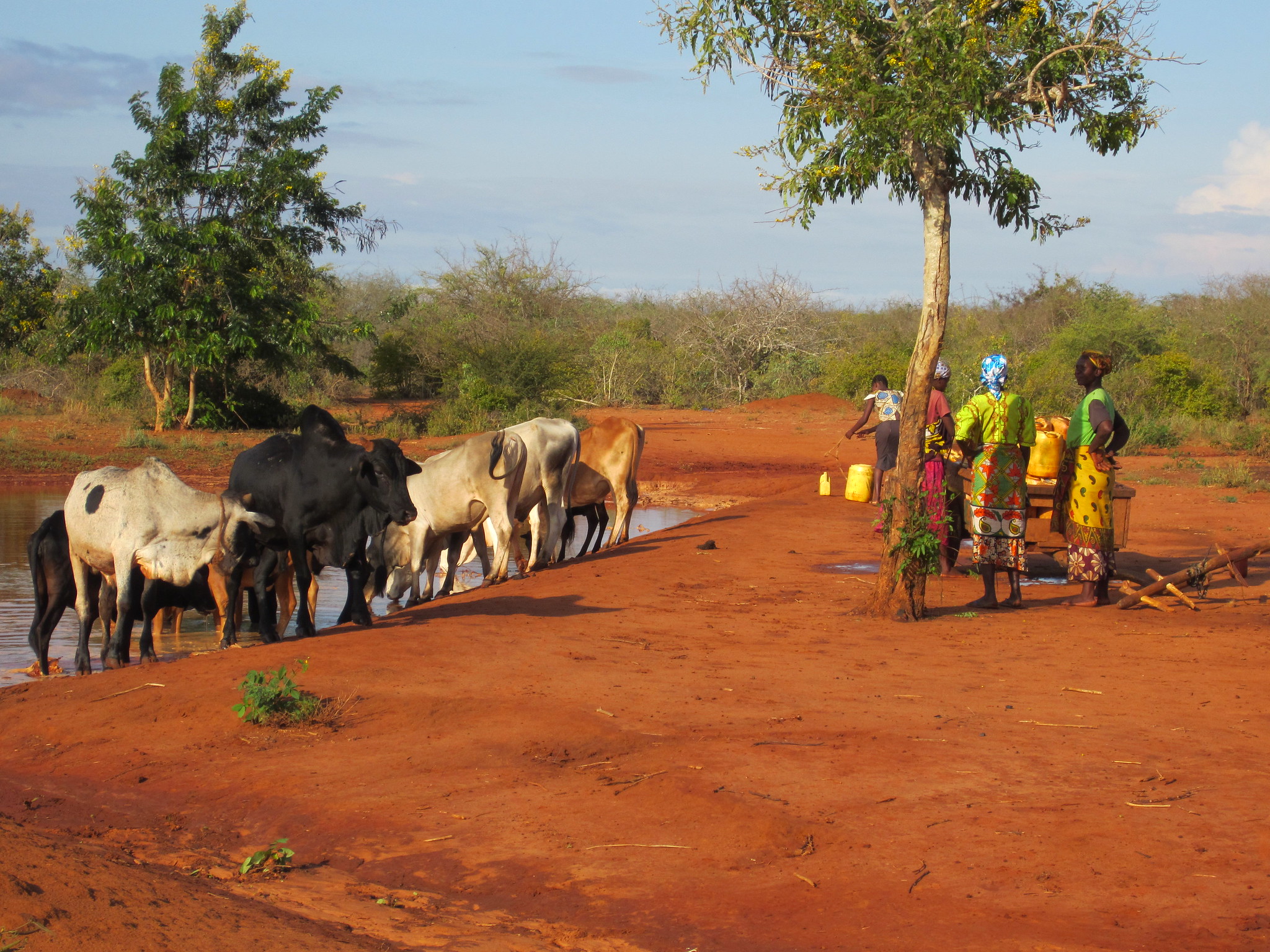
One Health treats human, animal and environmental health as three faces of the same problem. When a forest is cleared, a bat-borne virus may reach livestock and then the farmer handling them. When antibiotics are overused in aquaculture, resistance genes wash into the sea and return to the dinner plate.
The WHO, the World Organisation for Animal Health (WOAH), the UN Food and Agriculture Organization (FAO) and the UN Environment Programme (UNEP) have signed a joint One Health plan of action. The Lyon summit is where WHO Collaborating Centres translated that framework into measurable data, funding and reporting commitments.
→ For readers: each H5N1 bird flu outbreak in Southeast Asia is a live test of the One Health framework — if the system works, veterinarians flag the alarm before hospitals do.
G7 health ministers and WHO Director-General Dr Tedros Adhanom Ghebreyesus opened with pledges to shield science from political pressure.
WHO Collaborating Centres presented data on antimicrobial resistance, pathogen genomic surveillance, and the climate-health nexus.
Official launch of the Stand with Science campaign alongside a joint declaration calling for pandemic preparedness investment and early detection.
→ The Global Forum of WHO Collaborating Centres (April 7-9) overlaps the summit, producing the densest three days on the 2026 international health calendar.
The network of more than 850 WHO Collaborating Centres stretches from labs in Nairobi to virology institutes in Tokyo. In Lyon, more than 80 countries sent delegates — a scale WHO described as the largest scientific network ever convened around a UN agency.
These centres don't only research: they run the Global Influenza Surveillance and Response System (GISRS), the measles-rubella network, and biobanks that share pathogen samples. When a new virus emerges, these centres are the first to ship sequencing data to WHO within hours.
“To stand with science is not to stand with an opinion — it is to stand with the method that produces evidence.”
Antimicrobial resistance is estimated to be associated with millions of deaths per year, according to analyses published in The Lancet. Lyon called for a global stewardship registry and incentives to revive antibiotic development — a field private investors have abandoned due to low returns.
Aedes mosquitoes have expanded their range with rising temperatures, bringing dengue and chikungunya to previously temperate zones. Lyon delegates proposed integrating climate maps into early-warning outbreak systems — something only a handful of countries currently do.
Southeast Asia sits on one of the world's busiest zoonotic corridors. High livestock density, live poultry markets and climate pressure keep the region on WHO's red list for avian influenza and unnamed emerging diseases.
Vietnam has participated in a national One Health framework since 2016, coordinated across the Ministries of Health, Agriculture and Environment. Lyon's commitments on genomic data sharing and surveillance funding could open new regional projects — especially in border provinces where cross-border poultry trade is hard to police.
→ For a household raising chickens in the Mekong Delta, a working One Health system means the village vet flags an outbreak before your relatives end up in hospital.
Related Topics
Stay on top of trends
Bookmark this page and check back often for the latest updates and insights.