Key Takeaways
- Interim government led by National Assembly, but no election date set
- Approximately 700 political prisoners freed since Maduro's capture
- Inflation persists at 600% with minimum wage at just $0.28/month
- Oil production recovering slowly from 400,000 barrels per day
- 7.7 million Venezuelans remain abroad as refugees
Context: Maduro's Capture and the Collapse
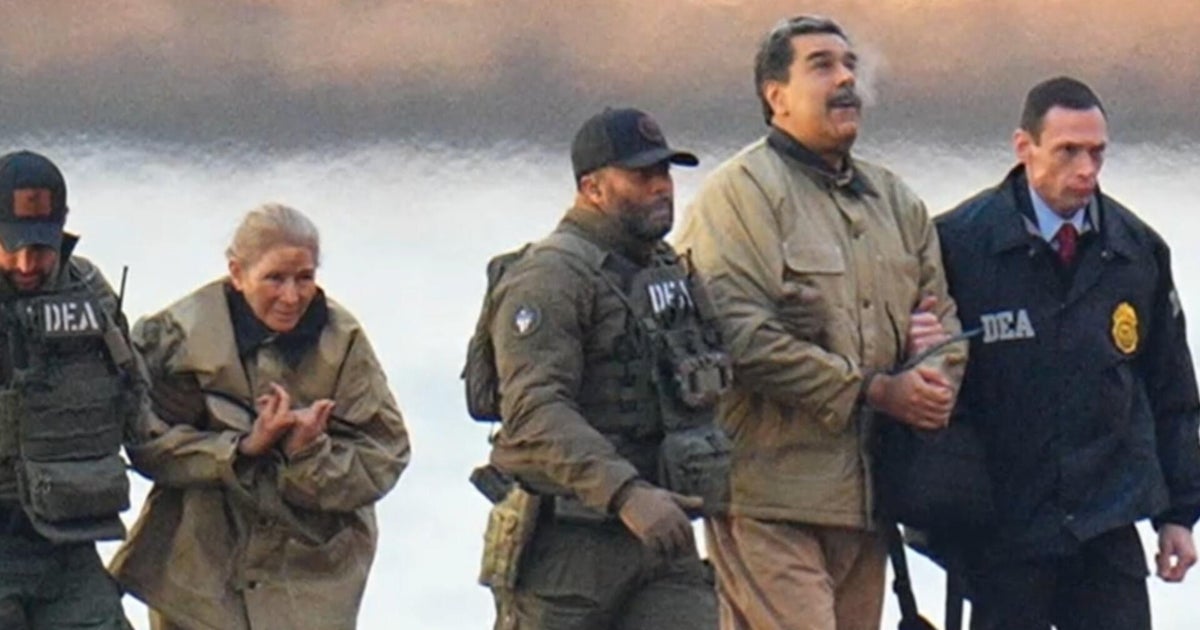
Three months ago, the regime of Nicolas Maduro collapsed after decades of increasingly authoritarian rule. His capture marked the end of an era but also opened a new period of uncertainty. The Venezuelan National Assembly, the legitimate legislature elected in 2015, assumed leadership during the transition period.
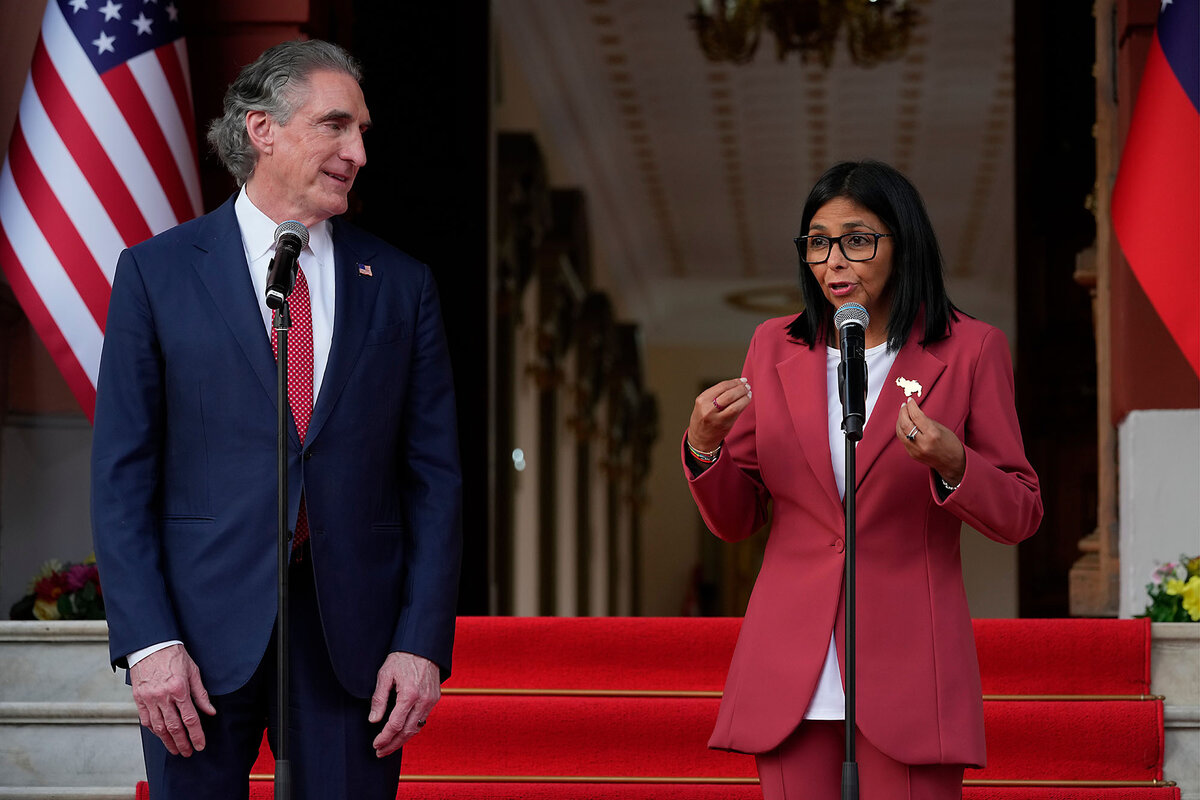
International media were granted access to the Miraflores Palace for the first time since Maduro consolidated power. Reporters documented the emergence of a new center of governance, where interim government meetings were held more openly than ever before.
Political Prisoners: From Freedom to Reintegration
One of the interim government's first acts was the release of approximately 700 political prisoners. Many had been held for years without trial. According to reports, they included journalists, activists, and opposition politicians detained during crackdowns under Maduro's rule.
I spent four years in a cell for a social media post. Today I am free, but I do not recognize my own country anymore.
A former political prisoner, as reported by Reuters
However, reintegration has not been easy. Many returned with deteriorated health, no housing, and families who had already fled the country. Human rights organizations are calling on the international community to support this process.
Economic Reality: 600% Inflation and the Road Ahead
Regime change has not translated into immediate economic recovery. Inflation remains at approximately 600%, and the minimum wage sits at just $0.28 per month, making Venezuela one of the countries with the lowest minimum wage in the world. Basic goods prices continue to climb, and many citizens depend on remittances from relatives abroad.
| Indicator | Under Maduro | Current (04/2026) |
|---|---|---|
| Inflation | ~1,000%+ | ~600% |
| Min. Wage | $0.12/mo | $0.28/mo |
| Oil Output | ~350K bpd | ~400K bpd |
| Political Prisoners | ~1,000+ | ~300 (est.) |
| Press Freedom | Severely restricted | Improving |
The oil sector, once the backbone of Venezuela's economy, is recovering slowly from production levels of 400,000 barrels per day. Before the crisis, Venezuela produced over 3 million barrels per day. The partial lifting of US sanctions has opened the door for international investors, but experts warn that infrastructure recovery will take years.
-> If Venezuela recovers oil production to 1 million bpd, national revenue could increase by approximately $20 million per day at current oil prices.
The Refugee Crisis: 7.7 Million Still Abroad
Despite Maduro's fall bringing hope to many, 7.7 million Venezuelans remain living abroad, primarily in Colombia, Peru, Chile, and Ecuador. This represents one of the largest displacement crises in the world, second only to the Syrian conflict.
Many refugees say they will only consider returning once the economy stabilizes and free elections are held. Surveys indicate that a majority of the Venezuelan refugee community in Colombia and Peru remain skeptical about the current political transition and fear instability could return.
-> 7.7 million people sending remittances back to Venezuela contribute an estimated $3-4 billion annually, equivalent to nearly 5% of GDP, making it the country's most important economic lifeline.
Timeline: 3 Months of Transition
Maduro Captured
After months of escalating crisis, Nicolas Maduro was captured by security forces. The National Assembly declared it was assuming governance responsibilities.
-> Oil prices spiked 3% in the following trading session on geopolitical volatility concerns.
700 Political Prisoners Released
The interim government began releasing political prisoners in waves. International human rights organizations were permitted to monitor detention conditions.
-> Each released prisoner needs an estimated $2,000-5,000 in reintegration support, totaling millions in required international aid.
Media Enters Miraflores
International media were granted access to the Miraflores Palace for the first time in years. Journalists documented deteriorated facilities and evidence of corruption.
-> Press freedom improved significantly, but many Venezuelan journalists still self-censor fearing a return to political instability.
What Comes Next
Venezuela faces significant challenges in the months ahead. The most critical question is when free elections will be held. The interim government has not made specific commitments, and international organizations such as the UN and EU are increasing pressure for a clear roadmap.
Economically, recovering the oil sector will be key. With the world's largest proven oil reserves, Venezuela has enormous potential but needs tens of billions in investment to restore deteriorated infrastructure. Meanwhile, daily life remains difficult as basic goods prices stay elevated.
Venezuela's story is a lesson in the complexity of political transition: toppling an authoritarian regime is only the first step; rebuilding a nation is a far longer journey.
Related Coverage
References
- Reuters -- Venezuela transition update April 2026
Political and economic situation report - AP -- Media granted access to Miraflores Palace
Photo essay and field report - BBC Mundo -- Venezuela 3 months after Maduro
In-depth analysis of political transition
Frequently Asked Questions
Analysis by ZestLab. Data sourced from Reuters, AP, BBC Mundo (as of April 5, 2026).