ADHD Brains Show Sleep-Like Activity While Awake
Monash University researchers discovered that ADHD brains experience brief sleep-like slow-wave episodes during waking tasks, explaining attention lapses and focus difficulties.
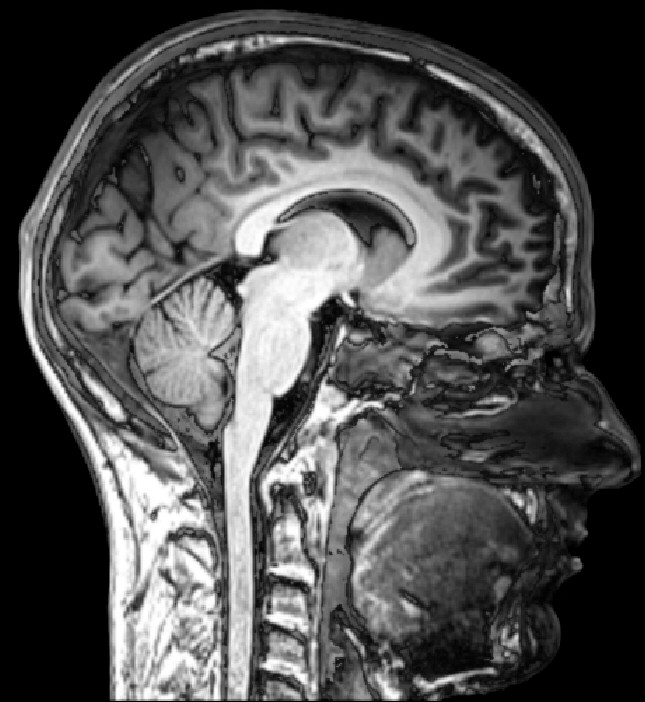
Study Overview
What Is Local Sleep?
Local sleep is a remarkable neurological phenomenon where small patches of the brain briefly switch into a sleep-like state while the rest of the brain continues functioning normally. During these brief moments, affected brain regions produce slow-wave electrical patterns — the kind of activity typically only seen during deep sleep.
The Monash University research shows that these local sleep episodes happen significantly more frequently in people with ADHD during tasks requiring sustained focus. Each time a brain region briefly "switches off," it creates a momentary attention lapse — explaining why people with ADHD often report sudden, involuntary losses of focus.
Brain Wave Activity Comparison
Simulated based on EEG data from the Monash University study
How the Study Was Conducted
The study was conducted at Monash University, where researchers used electroencephalography (EEG) to measure brain electrical activity in real time. They recruited 32 adults diagnosed with ADHD and 31 neurotypical control participants.
Both groups performed sustained attention tasks — tests designed to demand prolonged concentration — while their brain activity was continuously monitored. The researchers specifically looked for slow-wave intrusions, brief periods where brain regions showed sleep-like electrical patterns while participants were fully awake.
They then correlated these intrusions with attention errors and reaction time variability, finding a clear link between local sleep frequency and poorer task performance in the ADHD group.
What This Means for Understanding ADHD
Attention lapses caused by lack of willpower, motivation, or self-discipline
Attention lapses result from involuntary sleep-like brain activity intrusions — a measurable biological mechanism
This finding could reduce stigma around ADHD by providing concrete neurobiological evidence that attention lapses are not a behavioral problem but a brain activity issue. It also opens pathways for new treatments targeting brain wave stabilization rather than relying solely on stimulant medications.
Potential New Treatments
Identifying local sleep as a mechanism in ADHD opens several novel treatment directions:
References
▸ The study found ADHD individuals experience local sleep episodes 3x more often -- directly impacting learning and work performance
▸ This discovery could transform how ADHD is diagnosed and treated for over 360 million people worldwide
Related: Sleep Optimization & Orthosomnia · Neurowellness 2026
Frequently Asked Questions
The most common questions about the local sleep research in ADHD brains.
Related Topics
Stay on top of trends
Bookmark this page and check back often for the latest updates and insights.