Sleep Tracker Obsession Is Causing Insomnia in 2026
Clinicians have named 'orthosomnia' — anxiety triggered by sleep tracker data — as 2026's most ironic health trend, as the wellness industry simultaneously booms and produces burnout.
When the Tool Meant to Fix Sleep Causes Insomnia
Orthosomnia — from the Latin 'ortho' (correct/perfect) and 'somnia' (sleep) — occurs when the obsession with achieving a perfect sleep score becomes the source of anxiety that causes exactly the problem the user was trying to solve. The irony is that the most precise sleep measurement devices are triggering the kind of anxiety that most disrupts deep sleep.
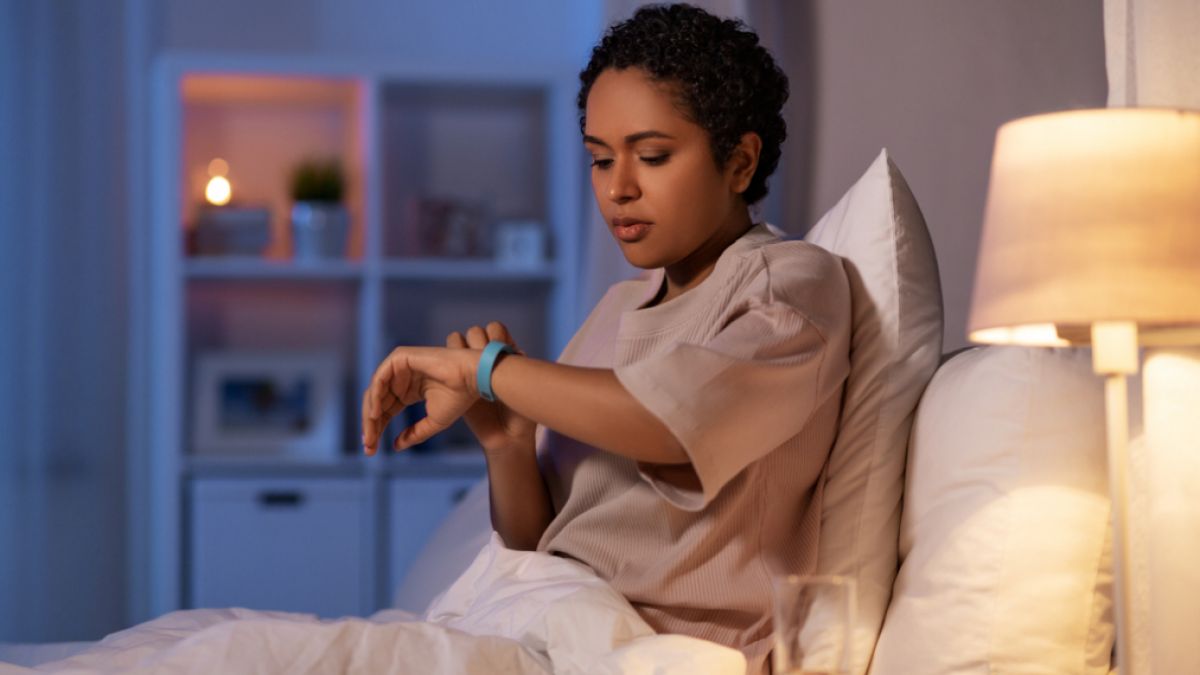
Photo: Calm by Wellness — Innovative sleep wellness trends 2026
The Self-Defeating Cycle
Check low sleep score → Anxiety → Difficulty sleeping → Even lower score → More anxiety. This cycle is the core mechanism of orthosomnia.
Imperfect Accuracy
Wearables frequently misclassify sleep stages, generating low scores that don't reflect actual sleep quality — but users still feel anxious because of the numbers.
Sleep as Performance
When sleep becomes a performance metric to optimize, a natural biological process is transformed into a source of pressure — the opposite of what is needed for good sleep.
AI Wearables: Both the Solution and the Problem
The 2026 generation of AI wearables is more powerful than ever — delivering personalized coaching, sleep apnea detection, and smart home integration. But it is precisely these powerful features that also produce more scores and metrics to worry about.
Sleep apnea detection, HRV, heart rate, and daily readiness score with personalized AI coaching.
FDA-cleared atrial fibrillation detection, SpO₂ tracking, sleep stage analysis, and smart home integration.
Recovery-focused, strain analysis, screenless sleep cycle tracking, and long-term trend history.
Hotels Investing in Sleep Optimization as Competitive Edge
The hospitality industry is capitalizing on the sleep optimization trend, hiring sleep specialists to design rooms and offering personalized consulting services. This is one of the clearest examples of the wellness industry transforming a basic human need into a premium experience.
Photo: Global Wellness Summit — Athletic technology wellness news
Sleep Concierge Service
Marriott, Hilton, and boutique chains offer sleep specialist consultations before and after stays.
Circadian Lighting Systems
Room lighting automatically dims in the evening to align with natural melatonin production.
Pillow Menu
Pillows with different support levels and temperature regulation, selected according to guest sleep position.
Personalized Sleep Reports
Luxury properties offer in-room wearables and personalized sleep analysis reports as part of the wellness package.
Slow Living: The Movement Against Optimization Culture
A counter-cultural movement is emerging in 2026 advocating for the complete removal of all tracking devices from the bedroom. 'Slow living' proponents argue that the best sleep comes from trusting the body — not from optimizing every REM cycle.
Analog Clocks
Replace smartphones with analog alarm clocks to eliminate the temptation to check sleep scores during the night.
Physical Books at Bedtime
Read physical books instead of screens 45–60 minutes before bed — reducing blue light and cognitive stimulation simultaneously.
Pre-Sleep Digital Detox
Remove all devices from the bedroom entirely. No trackers, no scores, no HRV notifications disrupting your wind-down.
Morning Light Exposure
Natural light exposure within 30 minutes of waking to anchor circadian rhythms — the single most effective sleep intervention.
What Do Sleep Scientists Actually Recommend?
Instead of intensive nightly tracking, sleep scientists recommend a simple set of evidence-based behaviors. Research consistently shows these basic behaviors are more effective than any wearable device.
Consistent Wake Time
Maintain consistent wake times — more important than consistent bedtimes in anchoring circadian rhythms.
Review Weekly Averages, Not Nightly
If using a tracker, review 7-day averages. Disable nightly sleep score notifications to avoid obsessive checking.
Cool, Dark Bedroom
Room temperature 18–20°C and complete darkness are the two most effective environmental factors for deep sleep.
Limit Caffeine After Noon
Caffeine has a 5–7 hour half-life. Coffee consumed after 2 PM can measurably reduce deep sleep duration.
Photo: Earth.Org — Health and wellness lifestyle image
This trend is closely linked to ADHD brain sleep activity research and the 2026 neurowellness movement.
▸ An Oura Ring costs ~$300 plus $6/month subscription — but 42% of users report sleeping worse after they started tracking sleep (orthosomnia)
▸ The sleep tech market hits $5.6B in 2026 — the average American spends ~$45/year on sleep apps and devices