
Key Takeaways
- Ryanair announced it would end its "sharp, piercing banter" for a corporate approach — the most shared prank of the day.
- Multiple real events were mistaken for pranks: Italy's World Cup elimination, Artemis II Moon launch, and Trump's SCOTUS nomination.
- AI-generated fake announcements from brands reached a new level of sophistication, blurring the line between joke and reality.
- "War lockdown" hoaxes spread on social media, causing brief panic in several online communities.
Top Brand Pranks of 2026
Major brands elevated April Fools from simple jokes into sophisticated marketing campaigns. Here are the most impactful ones, ranked by ZestLab analysis based on virality and community reaction.
→ If you are a brand manager, this year's lesson: the best prank is one that fits your brand identity and harms no one.
Was It a Prank? Real News on April 1
The most shocking part of April Fools 2026 was not the pranks — it was real news being mistaken for fakes. Here is the 'realness meter' for events that landed exactly on April 1, as reported by Tribune India and Trends24.
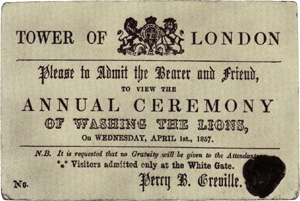
Photo: Wikimedia Commons
Italy's World Cup 2026 qualifying elimination was the most shocking event — a result so unbelievable that many people immediately dismissed it as a prank. Similarly, NASA's Artemis II launch timing on April Fools led many to doubt the historic moment before NASA confirmed it.
→ The biggest takeaway: in the age of information overload, April Fools is no longer just a day for pranks — it is becoming a day when nobody believes anything.
The Worst Hoaxes of April 1, 2026
Not all pranks were harmless. Some hoaxes this year crossed the line from fun into causing real panic. According to Tribune India, these were the most serious cases.
Multiple social media posts spread false information about lockdowns due to 'war conditions' in several countries, causing brief panic before being taken down. This incident highlighted the danger when April Fools pranks touch on national security topics.
→ Real consequences: some areas saw a spike in emergency calls within hours, and social media platforms had to intervene to remove posts.
The Rise of AI-Powered April Fools
2026 marked a major shift as brands began using AI to generate fake videos, images, and even synthetic voices for April Fools pranks that became increasingly indistinguishable from reality. This trend raises serious questions about online trust.
Source: ZestLab analysis based on social media trend data, April 2026
Photo: Wikimedia Commons
→ With AI becoming ubiquitous, April Fools 2027 could be the first year we truly cannot distinguish between pranks and reality.
A Brief History of April Fools Day
April Fools Day traces its origins to 16th-century Europe, when France switched calendars and those who still celebrated New Year in April were called 'April fools.' The tradition spread worldwide and evolved over centuries.
France adopts the Gregorian calendar — people celebrating New Year in April are mocked as 'fools.'
The BBC airs its famous 'spaghetti tree' hoax — thousands call in asking how to grow their own.
Taco Bell announces it bought the Liberty Bell — one of the first brand pranks to go viral.
Google launches 'Gmail Custom Time' — a feature to send emails back in time.
April Fools becomes a day when nobody believes anything — even real news is doubted.
→ From medieval pranks to global marketing campaigns, April Fools has evolved but its essence remains unchanged: people love to laugh and love to be surprised.
The TDOV Overlap Debate
April 1 is also International Transgender Day of Visibility (TDOV). This overlap has been controversial for years, as April Fools pranks can inadvertently diminish the significance of a serious observance day. In 2026, many brands chose not to post pranks before noon out of respect for TDOV.
→ A reminder that the calendar holds many observances on the same date — mutual respect is key.
Outlook & Related
April Fools 2026 showed the line between real and fake is fading. With the growth of generative AI and 24/7 news cycles, 2027 will test our ability to distinguish fact from fiction even further. Meanwhile, the two most notable real events on this year's April 1 were:
→ A day when the whole world stopped trusting each other — and that, paradoxically, was the best reminder of the value of truth.
References
- Tribune India — April Fools 2026: From Ryanair's Corporate Pivot to War Lockdown Hoaxes — April 1, 2026
- Trends24 — United States Trending Topics, April 1, 2026 — April 1, 2026
- BBC News — The History of April Fools Day Pranks — April 2026
- NASA — Artemis II Mission Overview — April 2026