KEY TAKEAWAYS
- Artemis II launches April 1, 2026, at 6:24 p.m. EDT from Kennedy Space Center, Florida
- 4 astronauts will travel 685,000 miles around the Moon over approximately 10 days
- Crew makes history: first Black astronaut, first woman, and first non-American beyond low Earth orbit
- Will break Apollo 13's 1970 record as the farthest humans have traveled from Earth
- Reentry at 25,000+ mph — surpassing Apollo 10's 1969 speed record
The Launch: A Historic Moment
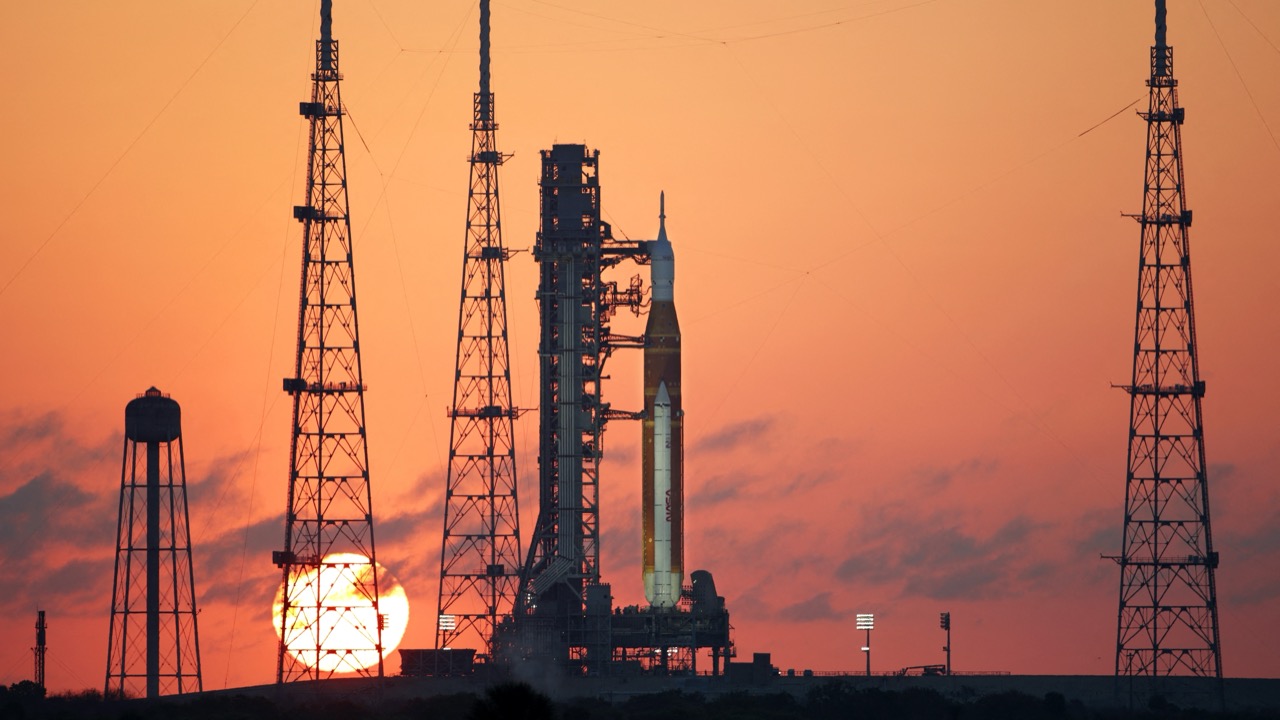
At 6:24 p.m. Eastern Time on April 1, 2026, the 322-foot Space Launch System (SLS) rocket will depart Launch Pad 39B at Kennedy Space Center, Florida. With over 8.8 million pounds of thrust, the SLS is the most powerful rocket ever built — surpassing even the Saturn V that carried Apollo astronauts to the Moon.
Weather forecasts indicate an 80% favorable probability for launch. The Orion spacecraft, mounted atop the SLS, will carry 4 astronauts into orbit and toward the Moon. This is the first crewed flight beyond low Earth orbit since December 1972 — an astonishing 54-year gap.
→ The last time humans saw the Moon up close, the internet, smartphones, and social media didn't exist. Artemis II will be the first lunar mission watched live by the entire planet via livestream.
The Crew: Four People, Four Records
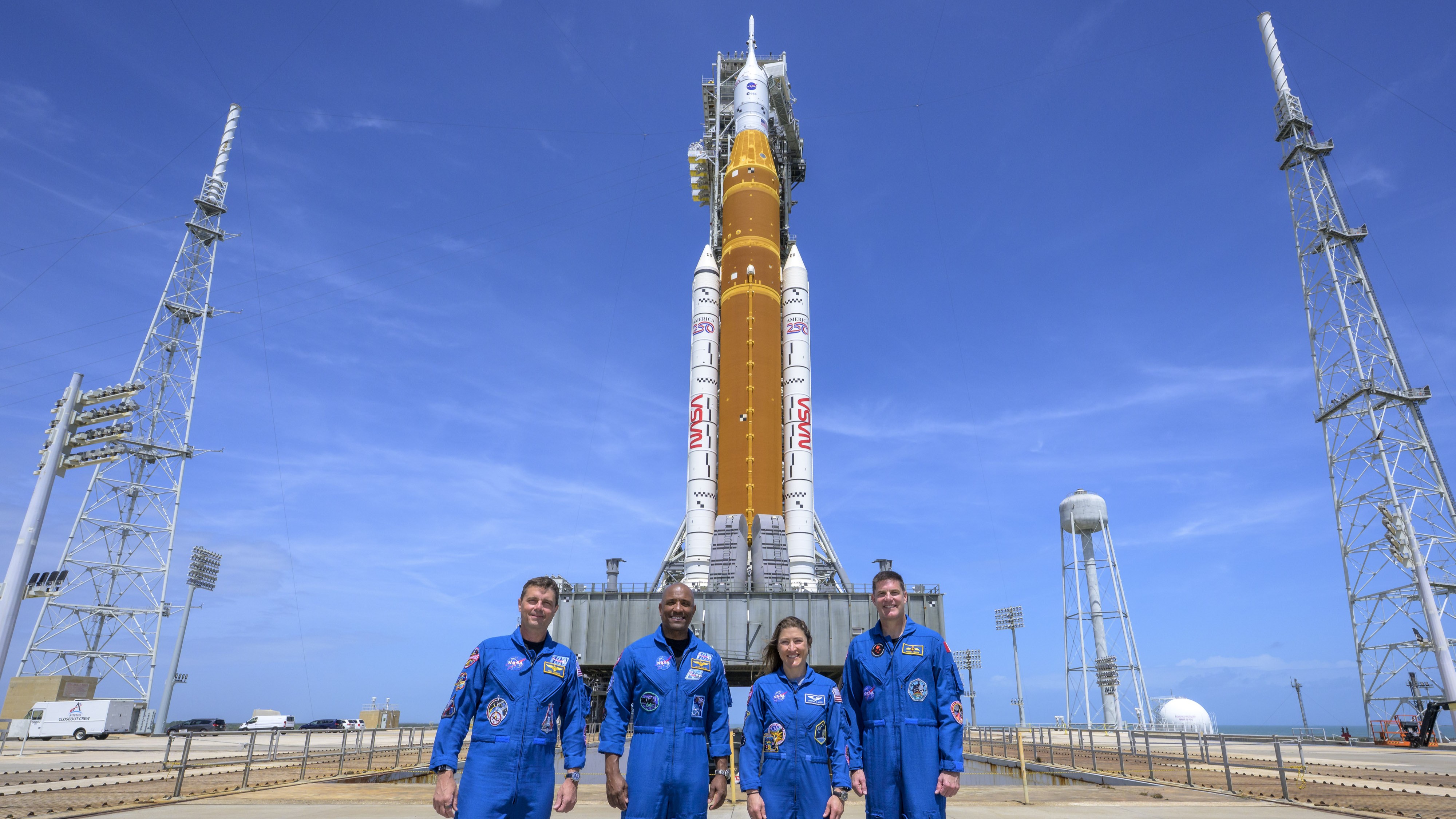
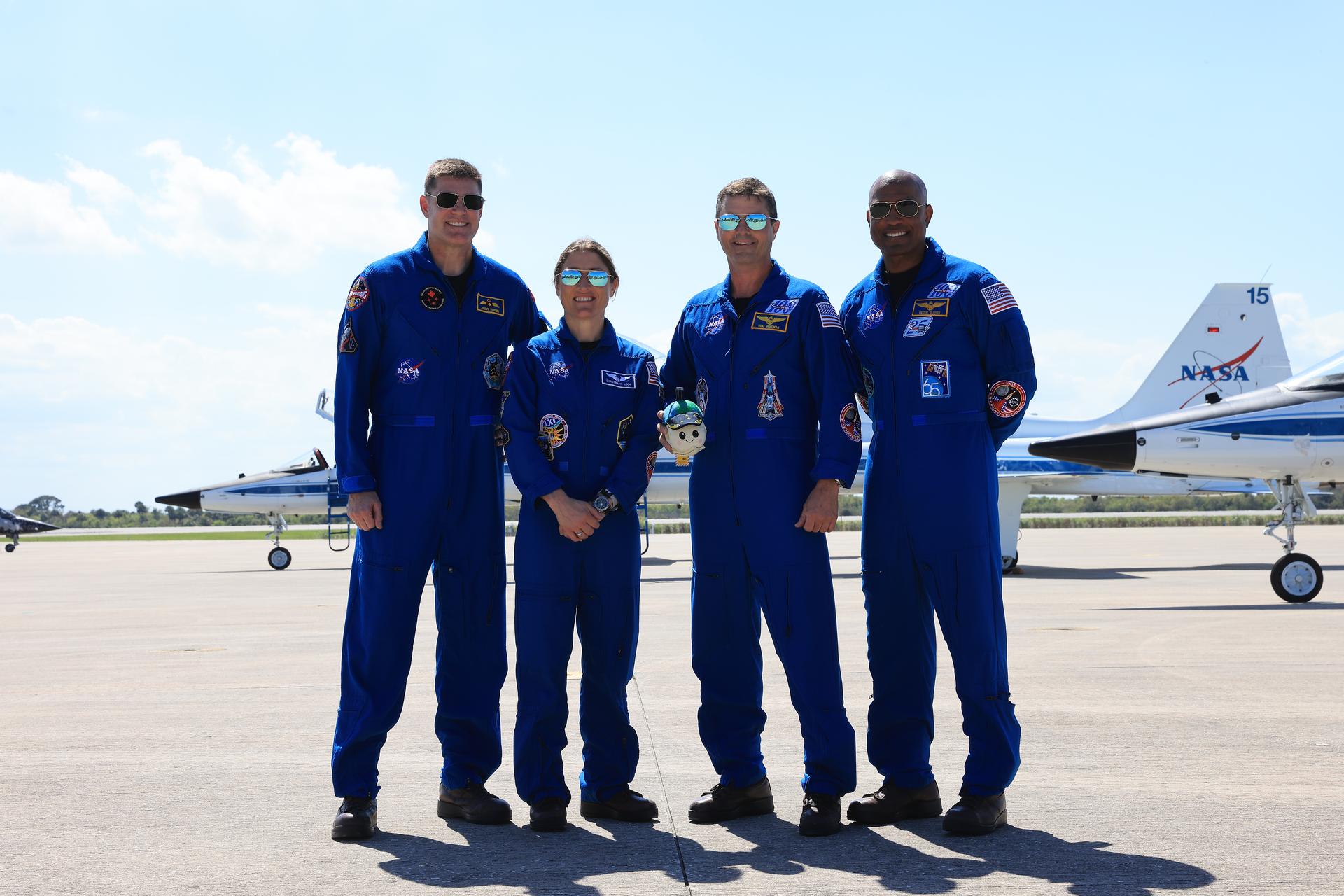
The Artemis II crew isn't just flying around the Moon — they represent a radical departure from the Apollo era. Each member carries a historic "first," reflecting a space program more inclusive than ever before.
→ During the Apollo era, all 24 people who flew to the Moon were white American men. Artemis II breaks all three of those barriers in a single mission.
Mission Timeline: 10 Days Around the Moon
Records Being Broken
→ To put 54 years in perspective: when Apollo 17 landed, Richard Nixon was U.S. President, the Vietnam War was ongoing, and Apple had not yet been founded.
Why Artemis II Matters
Artemis II is more than a test flight — it is the final comprehensive checkout before NASA lands astronauts on the lunar surface in the Artemis III mission. Every life support, navigation, communication, and heat shield system will be validated with real astronauts aboard.
The mission also marks expanded international cooperation: Jeremy Hansen, a Canadian citizen, becomes the first non-American to fly beyond low Earth orbit. This reflects the Artemis Accords — signed by over 40 countries, including several ASEAN nations.
→ The Artemis program is projected to create over 100,000 direct and indirect jobs in the U.S. Through the Artemis Accords, signatory nations (including Japan, South Korea) may join the supply chain — an opportunity for Southeast Asian space tech.
Technical: SLS Rocket & Orion Capsule
The Space Launch System (SLS) stands 322 feet tall, using 2 solid rocket boosters (each producing 3.6 million pounds of thrust) and 4 RS-25 engines on the core stage. Total thrust exceeds 8.8 million pounds — 15% more powerful than the Saturn V. It is the most powerful rocket ever flown, according to NASA.
→ The European Service Module (ESM) is provided by ESA. Artemis is truly an international effort — not America going alone.
What Comes Next: Artemis III and Landing on the Moon
If Artemis II succeeds, the follow-up Artemis III mission will land astronauts on the Moon's south pole — a region no human has ever visited. SpaceX is developing the Starship Human Landing System (HLS), which will serve as a transfer vehicle from lunar orbit to the surface.
The Moon's south pole is believed to contain water ice in permanently shadowed craters. Water ice can be split into hydrogen and oxygen — rocket fuel — potentially turning the Moon into a refueling station for deeper missions, including Mars.
Follow more space missions at Space Missions 2026.
→ NASA estimates the Artemis program will cost approximately $93 billion through 2025, per the NASA Office of Inspector General. Each SLS launch costs roughly $4.1 billion — significantly more expensive than SpaceX's Falcon Heavy (~$150 million).
The Bigger Picture
Artemis II takes place amid a new space race. China returned samples from the Moon's far side (Chang'e 6, 2024) and aims to land astronauts on the Moon before 2030. India, Japan, and other nations also have active lunar exploration programs.
Explore more space science articles at ZestLab Trends, or check out our calculation tools at ZestLab Tools.
→ ZestLab analysis: Artemis II's success would be more than a technical achievement. It would prove that the Artemis program — despite its controversial costs — can deliver on the promise of returning humanity to the Moon, paving the way for a sustained presence beyond Earth orbit.
References
- Space.com — Artemis 2 NASA Moon Mission Launch Updates — April 1, 2026
- The Globe and Mail — Artemis II: NASA's Moon Mission, April 1 — April 1, 2026
- NASA — Artemis II Official Mission Page — 2026
- LiveScience — Artemis II Launch Updates — March 31, 2026