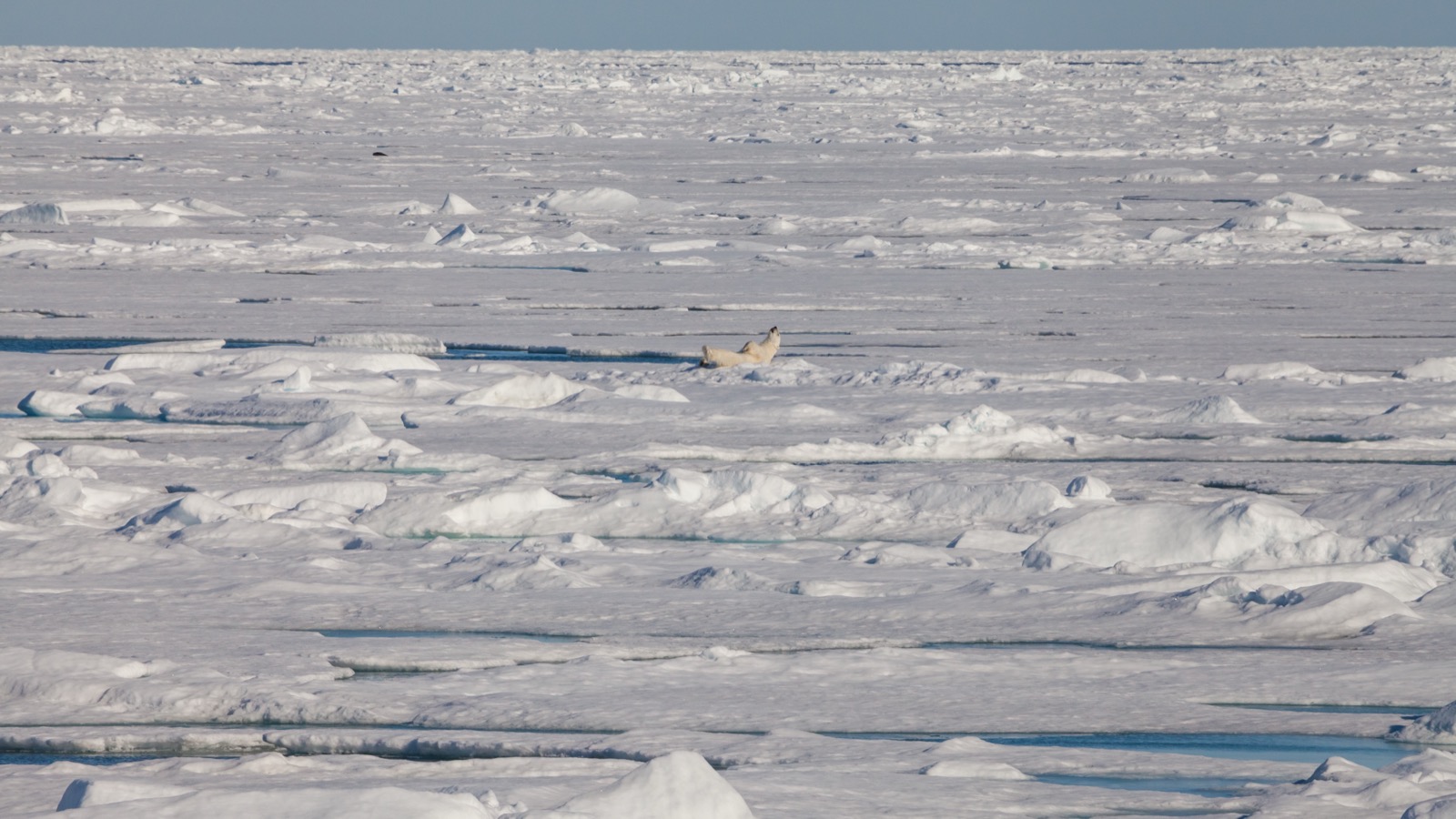
Arctic Sea Ice Hits Record Low Maximum in March 2026
Arctic sea ice reached approximately 14.22 million km² in March 2026, among the lowest annual maximum extents in four decades of satellite monitoring, continuing an alarming downward trend.
The Current Situation
In March 2026, Arctic sea ice extent reached approximately 14.22 million square kilometers at its annual maximum, marking one of the lowest or near-lowest measurements in over four decades of satellite records. This figure fell below even the historic low set just one year earlier in 2025.
Multiple independent agencies confirmed the data. The National Snow and Ice Data Center (NSIDC), the Multi-sensor Analyzed Sea Ice Extent (MASIE) system, and the Japan Aerospace Exploration Agency (JAXA) all recorded 2026 as having the second or third lowest maximum ever measured. The consensus across these data sources underscores the severity of the situation.
What makes the 2026 maximum especially concerning is that it fell below even 2025, which had set the prior record. Two consecutive record-low years suggest this is not natural variability but part of a structural, long-term decline.
Why This Matters
The annual March maximum is the starting point for the summer melt season. When the Arctic starts with less ice, more dark ocean surface is exposed, absorbing solar heat instead of reflecting it. This creates a positive feedback loop: less ice leads to warmer temperatures, which leads to even more ice loss.
The Arctic is warming approximately four times faster than the global average, a phenomenon known as Arctic amplification. This trend affects global climate systems, including disrupting the jet stream to cause extreme weather at lower latitudes, and contributing to sea level rise threatening coastal communities worldwide.
At current trajectories, scientists project the Arctic could experience completely ice-free summers by the 2040s or 2050s, creating profound and irreversible changes to ecosystems and global climate patterns.
The Science Behind the Trend
Arctic ice decline is not an isolated event but the result of decades of accumulated greenhouse gas emissions. As the atmosphere retains more heat, the Arctic bears a disproportionate impact due to its geography and unique feedback loops.
Read more related climate trends: Arctic sea ice collapse and sea level rise 2026.
▸ If this trend continues, coastal communities in Vietnam like Can Gio and Ca Mau could face increasingly severe flooding each year.
▸ The Arctic has lost roughly 2.28M km sq of ice compared to the 1979-1989 average — an area about 7 times the size of Vietnam.
References
Frequently Asked Questions
The most common questions about the 2026 Arctic sea ice situation.
More from this topic— Arctic Climate Collapse 2026: Ice, Fire & Rising Seas
Related Topics
Stay on top of trends
Bookmark this page and check back often for the latest updates and insights.