30 Dead in Easter Stampede at Haiti's Citadelle Laferrière
A deadly Easter stampede at Haiti's historic fortress killed at least 30. Overcrowding and tear gas cited as causes.
Key Takeaways
- At least 30 people killed and 30+ hospitalized in a stampede at Citadelle Laferriere, northern Haiti, on April 12, 2026.
- The disaster occurred during an Easter gathering amid severe overcrowding and police use of tear gas near the entrance.
- Citadelle Laferriere is the largest fortress in the Western Hemisphere, a UNESCO World Heritage Site since 1982.
- Victims included students. An investigation has been opened with autopsies underway.
- The tragedy raises serious questions about crowd management at historic heritage sites.
What Happened
On April 12, 2026, thousands of people converged on the Citadelle Laferriere fortress in Milot, northern Haiti, for an Easter gathering. The Citadelle sits atop Bonnet a L'Eveque mountain at approximately 900 meters elevation, accessible only through steep, narrow trails.
According to witnesses and reports from AP and CBS News, the crowd far exceeded the fortress's capacity. When police deployed tear gas near the entrance area, panic erupted. People attempted to flee through the fortress's narrow passageways, leading to a devastating crush.
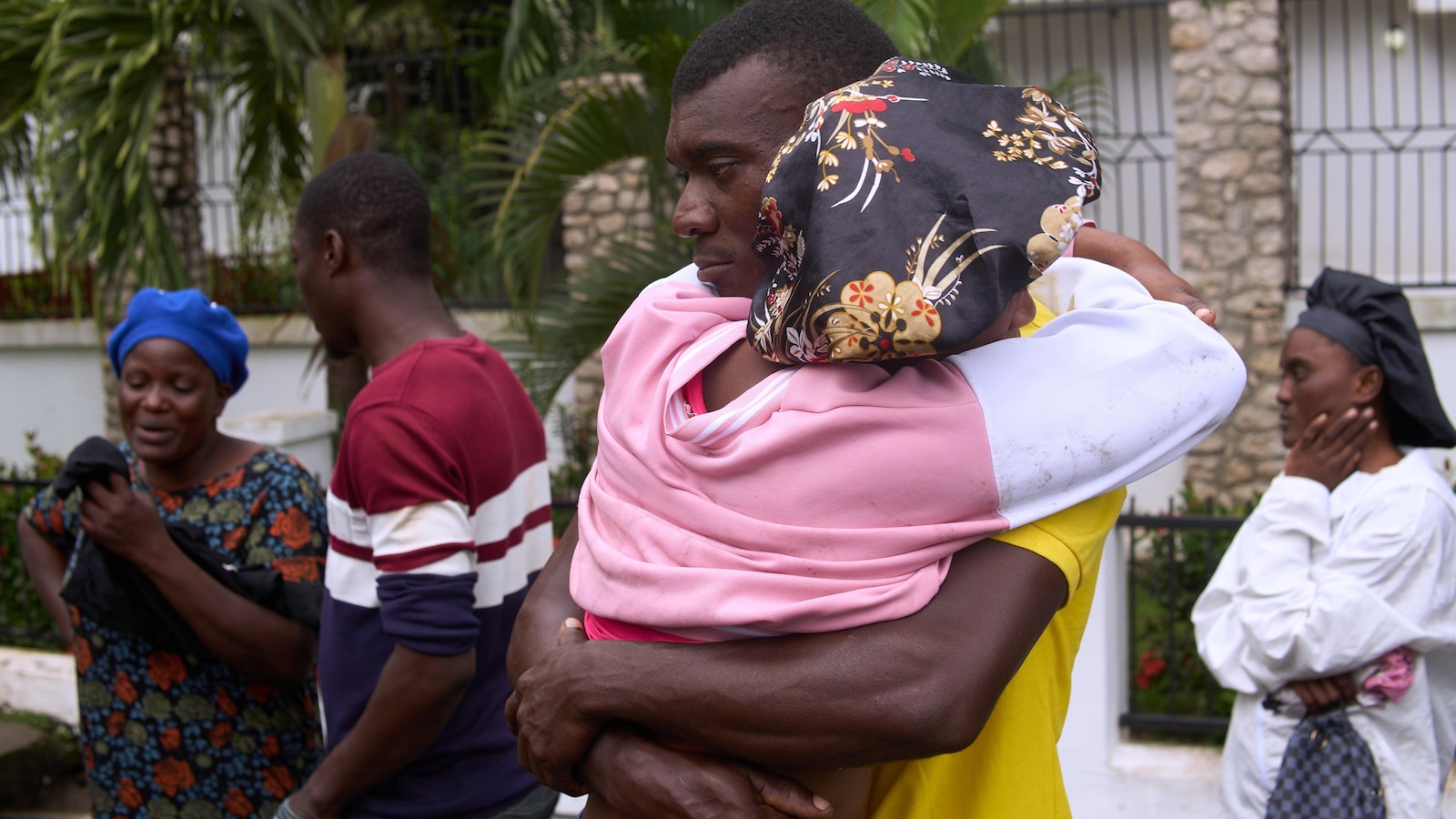
At least 30 people died at the scene and more than 30 were transported to hospitals with serious injuries. The victims included young students, according to NPR reporting.
The Citadelle -- History and Heritage
The Citadelle Laferriere was constructed between 1805 and 1820 under orders from King Henri Christophe, one of the leaders of the Haitian Revolution. The fortress was designed to defend the newly independent nation against a potential French reinvasion. With walls up to 4 meters thick and capacity for up to 5,000 soldiers, it remains the most massive military structure ever built in the Western Hemisphere.
Today, the Citadelle is Haiti's national symbol and its most important tourist attraction. Designated a UNESCO World Heritage Site in 1982, the fortress represents the spirit of freedom and resilience of the Haitian people. However, infrastructure around the site remains limited, with access restricted to steep mountain trails.
Overcrowding and Tear Gas
The immediate cause of the stampede was a combination of severe overcrowding and police use of tear gas. According to reports from CBS News and ABC News, the number of visitors to the Citadelle during Easter far exceeded the site's management capacity.
Critical Factors
- The fortress entrance is narrow, allowing only single-file foot traffic on a steep mountain trail.
- No crowd control or capacity management system was in place at the time of the incident.
- Police deployed tear gas near the entrance -- an area with no alternative escape routes.
- The steep mountain terrain made evacuation extremely difficult.
The critical question is why police deployed tear gas in a confined space with dense crowds. Crowd management experts emphasize that tear gas should never be used in enclosed environments with large gatherings, as panic responses are inevitable.
The Victims
Among the at least 30 dead, many were young students. Dozens of families across northern Haiti are awaiting news of their loved ones. More than 30 people with serious injuries are being treated at regional medical facilities already strained by the country's ongoing humanitarian crisis.

Autopsies are underway to determine the exact cause of death for each victim -- whether from asphyxiation during the crush, effects of tear gas exposure, or injuries sustained from falls on the steep terrain.
Haiti's Crisis Context
The Citadelle stampede occurred against a backdrop of Haiti enduring one of the most difficult periods in its history. Gang violence controls much of the capital Port-au-Prince, the healthcare system has collapsed, and millions face famine.
The Easter event at the Citadelle, according to ZestLab analysis, reflects Haitians' need to find moments of peace and community connection amid crisis. However, the lack of crowd management infrastructure and the disproportionate security response turned the gathering into a tragedy.
The international community has expressed condolences. UNESCO, the organization that designated the Citadelle as a World Heritage Site, has called for support for victims' families and urged a reassessment of safety protocols at heritage sites in crisis-affected countries.
Response and Investigation
A stampede breaks out at Citadelle Laferriere after police use tear gas. At least 30 dead at the scene.
Victims were carried down the mountain by hand as there is no vehicle access to the fortress. Over 30 hospitalized.
Haitian authorities launch a formal investigation. Autopsies begin on victims.
International organizations including UNESCO issue statements of condolence and calls for support.
Crowd Safety Lessons
The Citadelle stampede repeats patterns documented in numerous crowd disasters worldwide. According to ZestLab analysis, three common factors appear in most deadly stampedes:
No limit on the number of people entering an area, allowing density to exceed safe thresholds.
Only one or very few exits create bottlenecks when crowds panic.
Tear gas, explosions, or rumors cause mass flight responses in enclosed spaces.
Major Global Stampede Incidents
| Year | Event | Deaths | Context |
|---|---|---|---|
| 2022 | Itaewon, Seoul | 159 | Halloween crowd crush |
| 2024 | Hathras, India | 121 | Religious gathering |
| 2015 | Mina, Saudi Arabia | 2,411 | Hajj pilgrimage |
| 2026 | Citadelle, Haiti | 30 | Easter gathering |
Sources: Compiled from AP, CBS News, NPR. Death tolls as reported at the time of publication.
Frequently Asked Questions
Related Articles
World NewsVenezuela Post-Maduro -- April 2026References
Related Topics
Stay on top of trends
Bookmark this page and check back often for the latest updates and insights.