India-EU Free Trade Deal 2026: What the $27T Market Means
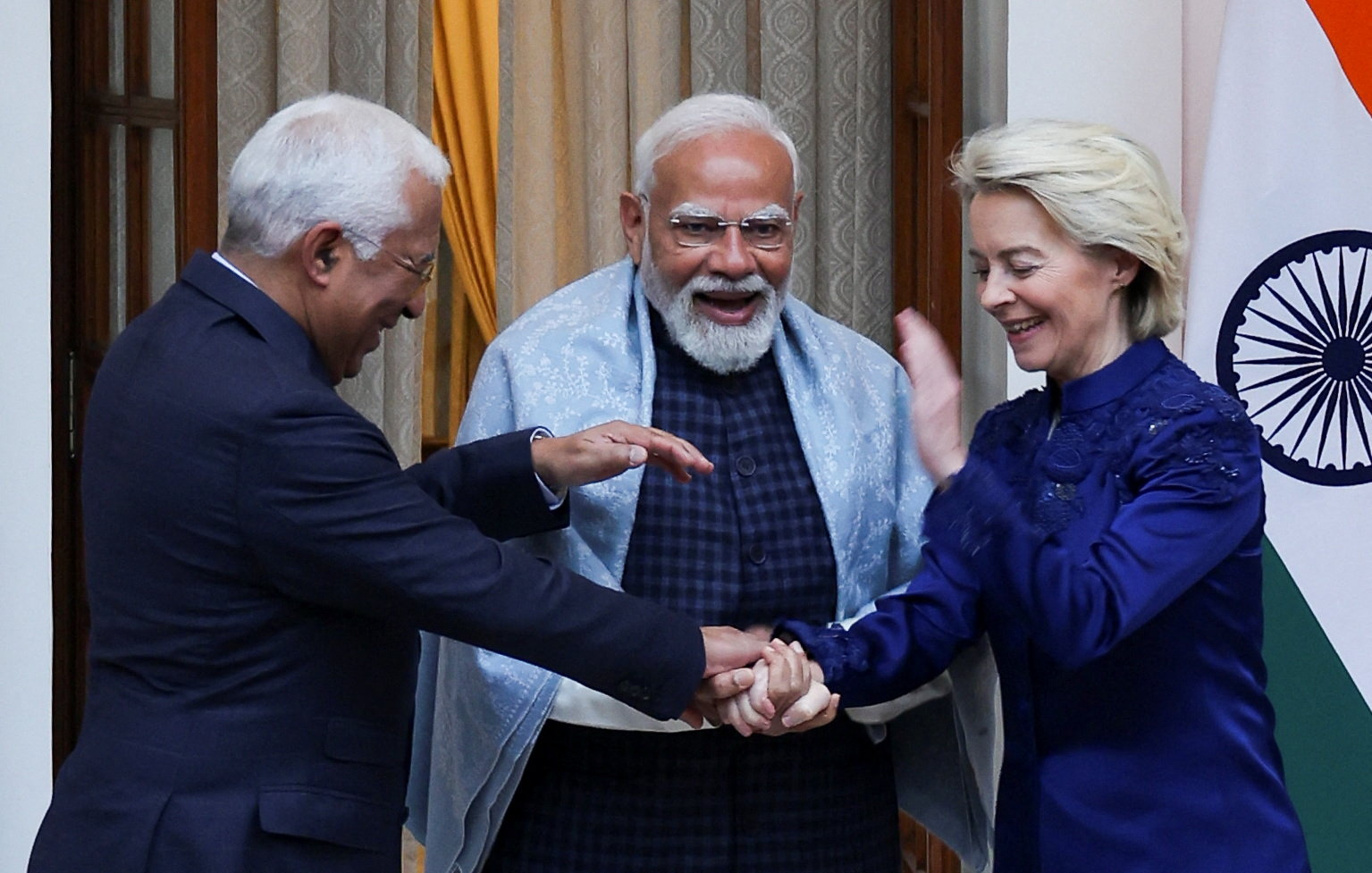
India and the European Union signed a landmark free trade agreement on January 27, 2026 — creating a market of nearly 2 billion people and $27 trillion in combined GDP after almost two decades of negotiations.
Key Takeaways
- The EU will eliminate tariffs on 90% of Indian goods immediately, expanding to 93% within seven years. India will reduce tariffs on 96.6% of EU goods — saving European exporters an estimated €4 billion per year.
- India-EU goods trade nearly doubled from $74 billion in 2020 to $136 billion in 2024-2025, yet India still accounts for only 2.4% of total EU trade — a figure the EU aims to double within seven years.
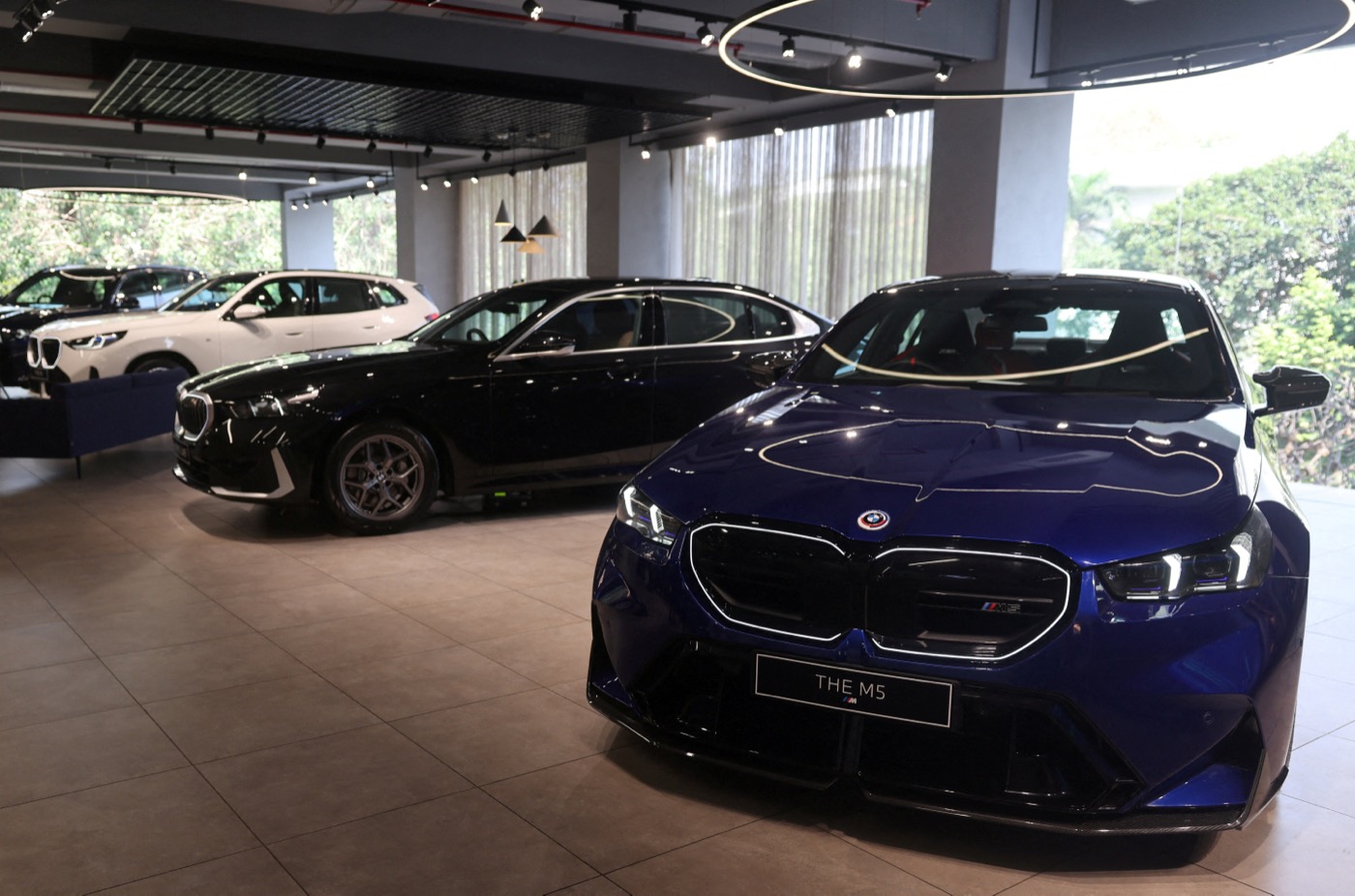
- India's auto market opens significantly: car tariffs will be reduced from 70-100% down to 30-35% initially, phasing to just 10% over the implementation period. European automakers like BMW and Volkswagen stand to gain massively.
- The deal is expected to create 6-7 million jobs in India's textile and garment sector alone, while also creating competitive pressure on Vietnam and Bangladesh as ASEAN manufacturers in EU markets.
- Negotiated over nearly 20 years with multiple restarts, the deal was accelerated by geopolitical shifts including the US-China trade war and Trump's tariff policies, pushing both sides to diversify trade partnerships.
Why Now: Two Decades of Failed Starts
What's in the Deal: Sector by Sector
Negotiation Timeline: From 2007 to 2026
India-EU FTA talks launched
India and the EU formally launch free trade negotiations at the 7th India-EU Summit in Helsinki. Both sides express optimism for a rapid conclusion.
Talks collapse over agriculture and mobility
Negotiations break down after 16 rounds. India refuses to open dairy and agriculture markets; the EU rejects India's demands for easier visa access for IT workers.
Negotiations restart amid US-China tensions
Post-pandemic supply chain disruptions and the Ukraine war push India and the EU to resume talks, with both sides seeking to reduce dependence on China.
14 intensive negotiation rounds
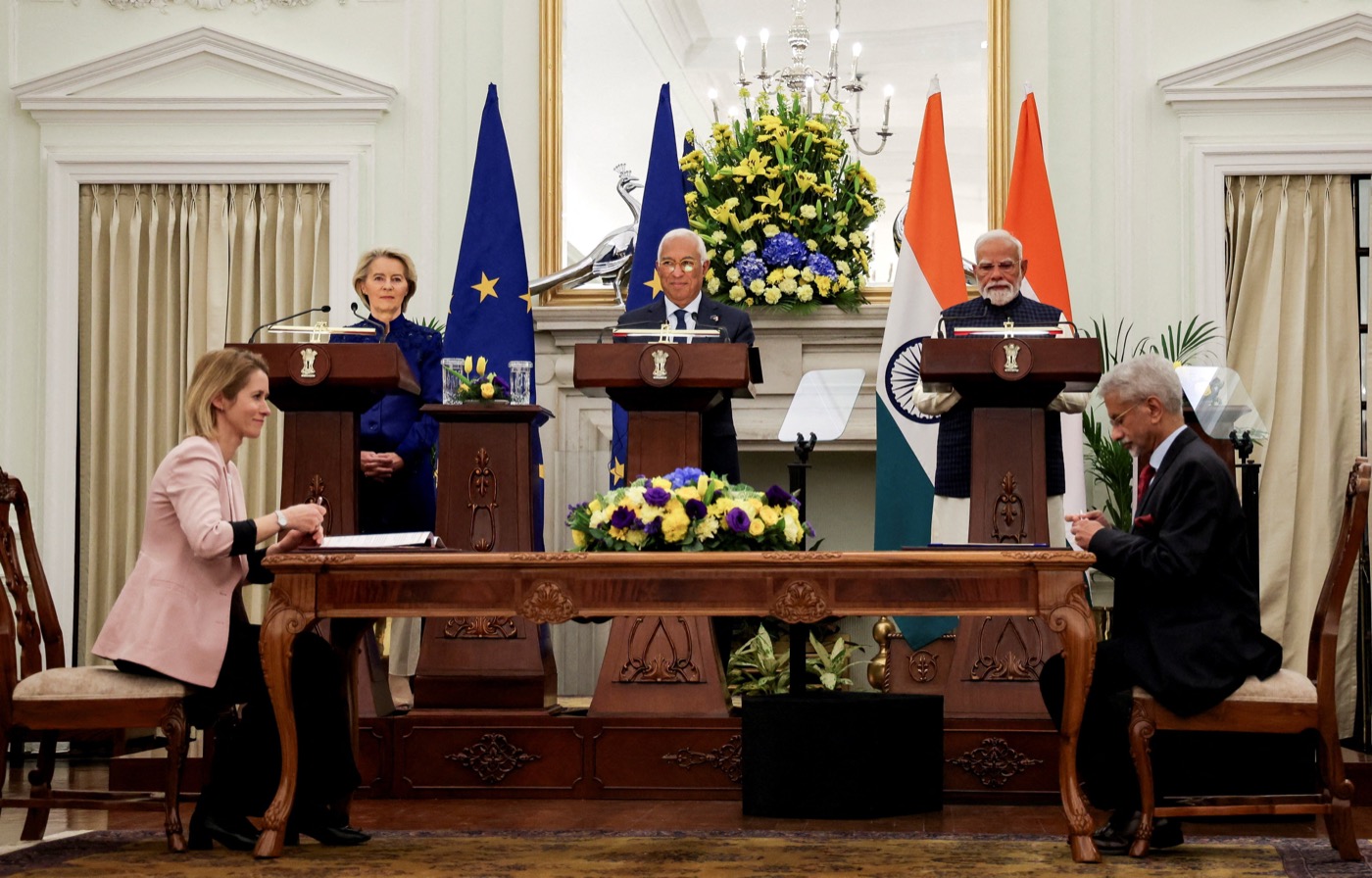
Kallas and Jaishankar lead marathon sessions. The auto-for-textiles swap becomes the core compromise. Agriculture is mostly excluded to avoid another collapse.
FTA signed — 'Mother of All Deals'
India and EU leaders sign the agreement in a ceremony hailed by media as the 'mother of all deals.' The combined market covers nearly 2 billion people and $27 trillion GDP.
Winners and Losers
India: Textiles Boom
Duty-free access to the EU's 450-million consumer market could create 6-7 million jobs in India's textile sector. States like Tamil Nadu and Gujarat are already expanding factory capacity in anticipation.
EU: Auto Market Access
European carmakers gain access to the world's third-largest auto market with tariffs dropping from 70-100% to eventually 10%. BMW, VW, and Stellantis are planning India-specific models at accessible price points.
India: Pharma Generics
India's $50 billion generic drug industry gains streamlined access to EU regulatory pathways. With Europe's aging population, demand for affordable generics will only grow.
Vietnam/Bangladesh: Competitive Pressure
Vietnam and Bangladesh — which currently benefit from EU trade preferences — face new competition from Indian manufacturers with duty-free access. Textile exporters in Ho Chi Minh City and Dhaka are already adjusting strategies.
India-EU FTA vs. Other Mega Trade Deals
| India-EU FTA | RCEP | CPTPP | |
|---|---|---|---|
| Members | 2 (bilateral) | 15 nations | 11 nations |
| Combined GDP | ~$27T | ~$26T | ~$14T |
| Population covered | ~2B | ~2.3B | ~500M |
| Tariff elimination | 90-96% | ~90% | ~95% |
| Services & digital | Strong | Limited | Strong |
| Key driver | China derisking | Regional integration | Post-TPP fallback |
| US participation | No | No | No |
The Geopolitical Chessboard
This is the mother of all deals. We are creating a free trade area of nearly two billion people representing a quarter of the world's GDP.
Seven-Year Implementation Roadmap
Year 1-2: Quick Wins
90% tariff elimination on Indian goods entering EU. India reduces auto tariffs to 30-35%. First wave of EU automaker India launches. Textile export orders surge.
Year 3-5: Deepening
Tariff coverage expands to 93% of Indian goods. Auto tariffs reach 15-20%. Digital trade provisions fully implemented. Services mobility framework operational. India-EU trade target: $200B+.
Year 6-7: Full Integration
Auto tariffs reach final 10% level. India's share of EU trade doubles from 2.4% to ~5%. Investment protection agreement finalized. Agriculture negotiations potentially reopened for next phase.