Trump-Xi Summit April 2026: Trade War Reset or False Hope?
world

Trump-Xi Summit April 2026: Trade War Reset or False Hope?

President Trump travels to Beijing March 31 – April 2 for the first US presidential visit to China since 2017. With the Supreme Court having struck down country-specific tariffs and new Section 301 probes targeting 16 nations, the summit is framed as the opening move in a longer negotiation — not a grand bargain.

Apr 1–2, 202610% blanket tariff16 nations probed
10%
Blanket tariff (post-SCOTUS)
16
Countries under Section 301 probe
9 yrs
Since last US president visited China
145%
Peak reciprocal tariff (2025)

Key Takeaways

  • Trump visits Beijing March 31 – April 2, 2026 — the first US presidential trip to China since his own 2017 state visit, raising the diplomatic stakes considerably.
  • The Supreme Court struck down country-specific tariffs in February 2026, leaving only a blanket 10% on all trading partners — fundamentally reshaping Trump's bargaining position.
  • New Section 301 investigations launched March 11 target 16 countries including China, EU, Vietnam, and India — a parallel pressure track alongside diplomacy.
  • Treasury Secretary Scott Bessent held preliminary talks with Chinese VP He Lifeng in Paris on March 15, covering rare earths, soy/aircraft purchases, and high-tech export controls.
  • Analysts expect no grand deal — the summit is framed as the 'opening of a longer conversation' with deliverables limited to confidence-building gestures.

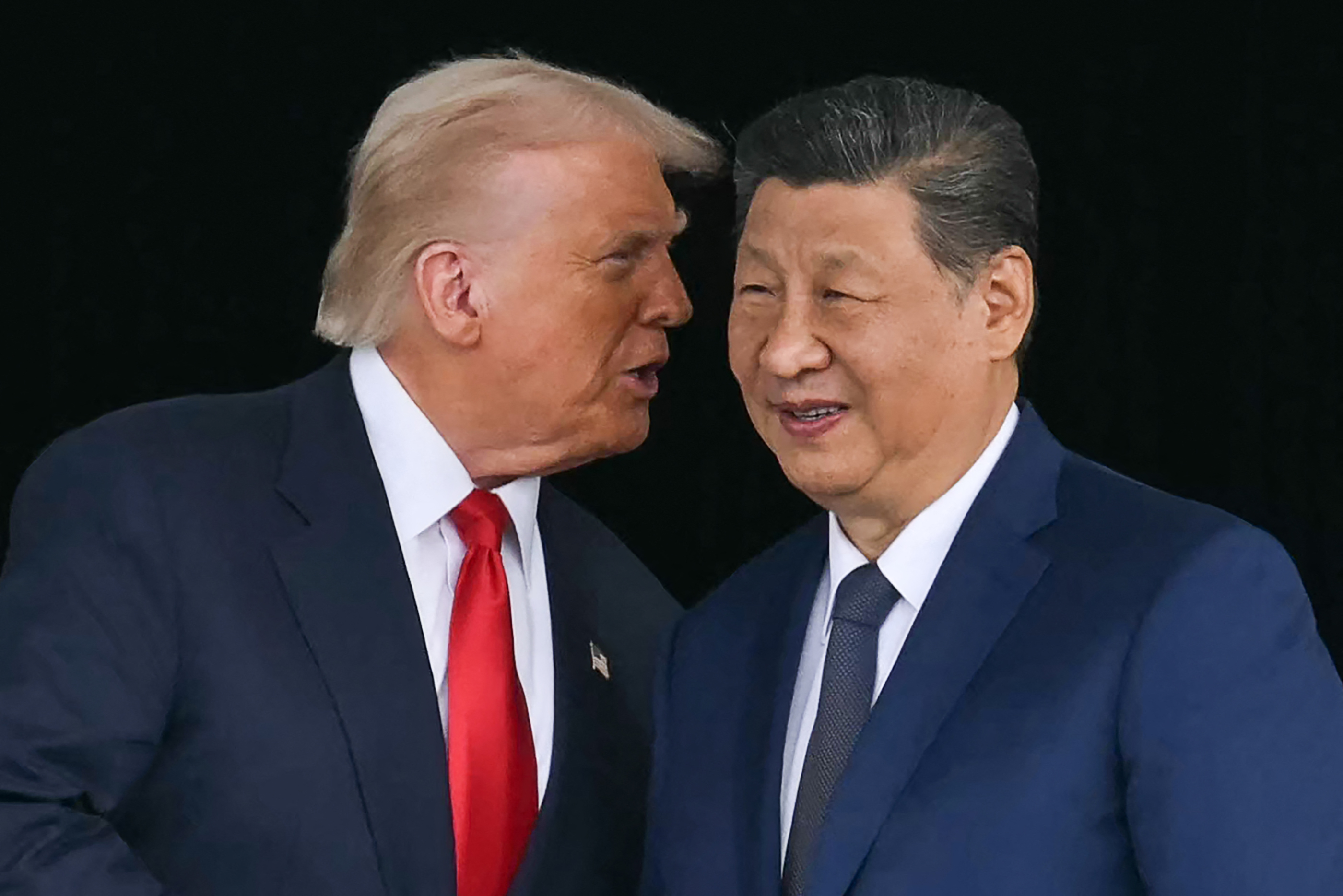
President Trump and President Xi Jinping at a diplomatic summit
Photo: Al Jazeera

From Triple-Digit Tariffs to a 10% Floor: How We Got Here

The US-China trade war entered 2025 at a fever pitch. Reciprocal tariffs climbed into triple digits — at one point reaching 145% on certain Chinese goods — threatening to sever supply chains that had taken decades to build. Paradoxically, both US imports and Chinese exports hit all-time highs in 2025, as businesses front-loaded orders to beat tariff deadlines. The turning point came in February 2026 when the Supreme Court ruled 6–3 in Learning Resources, Inc. v. Trump that the president lacked authority under IEEPA to impose country-specific tariffs. The ruling did not eliminate all tariffs — a blanket 10% rate on all trading partners survived under separate statutory authority — but it dismantled the architecture of escalating, punitive rates that had defined the trade war. For China, the SCOTUS ruling was a strategic windfall. The threat of 145% tariffs had been Beijing's primary leverage concern; with that ceiling gone, China's negotiating position strengthened considerably. For the Trump administration, it meant the upcoming Beijing summit needed to produce results through diplomacy rather than coercion.
→ If you import Chinese-made goods for resale in the US, your tariff bill dropped from up to 145% to a flat 10% overnight — margins just got a lot healthier.

The Paris Prelude: Bessent and He Lifeng Set the Table
On March 15, 2026, US Treasury Secretary Scott Bessent sat down with Chinese Vice Premier He Lifeng in Paris for what both sides described as 'frank and constructive' discussions. The meeting — held on neutral European ground — served as the critical pre-summit calibration session. According to reporting from Fortune and Al Jazeera, the agenda covered four pillars: China's dominance in rare earth mineral processing (where it controls roughly 70% of global refining capacity), potential Chinese purchases of US soybeans and Boeing aircraft as goodwill gestures, the scope of US high-tech export controls (particularly on advanced semiconductors and AI chips), and a framework for managing ongoing Section 301 investigations. Bessent reportedly came away cautiously optimistic, telling reporters the talks had 'cleared the underbrush' for the presidential summit. Chinese state media struck a more measured tone, noting the meeting was 'a step in the right direction but far from sufficient.'
→ The Paris talks suggest both sides want the Beijing summit to succeed — but 'success' likely means a communique and process, not a binding trade deal.
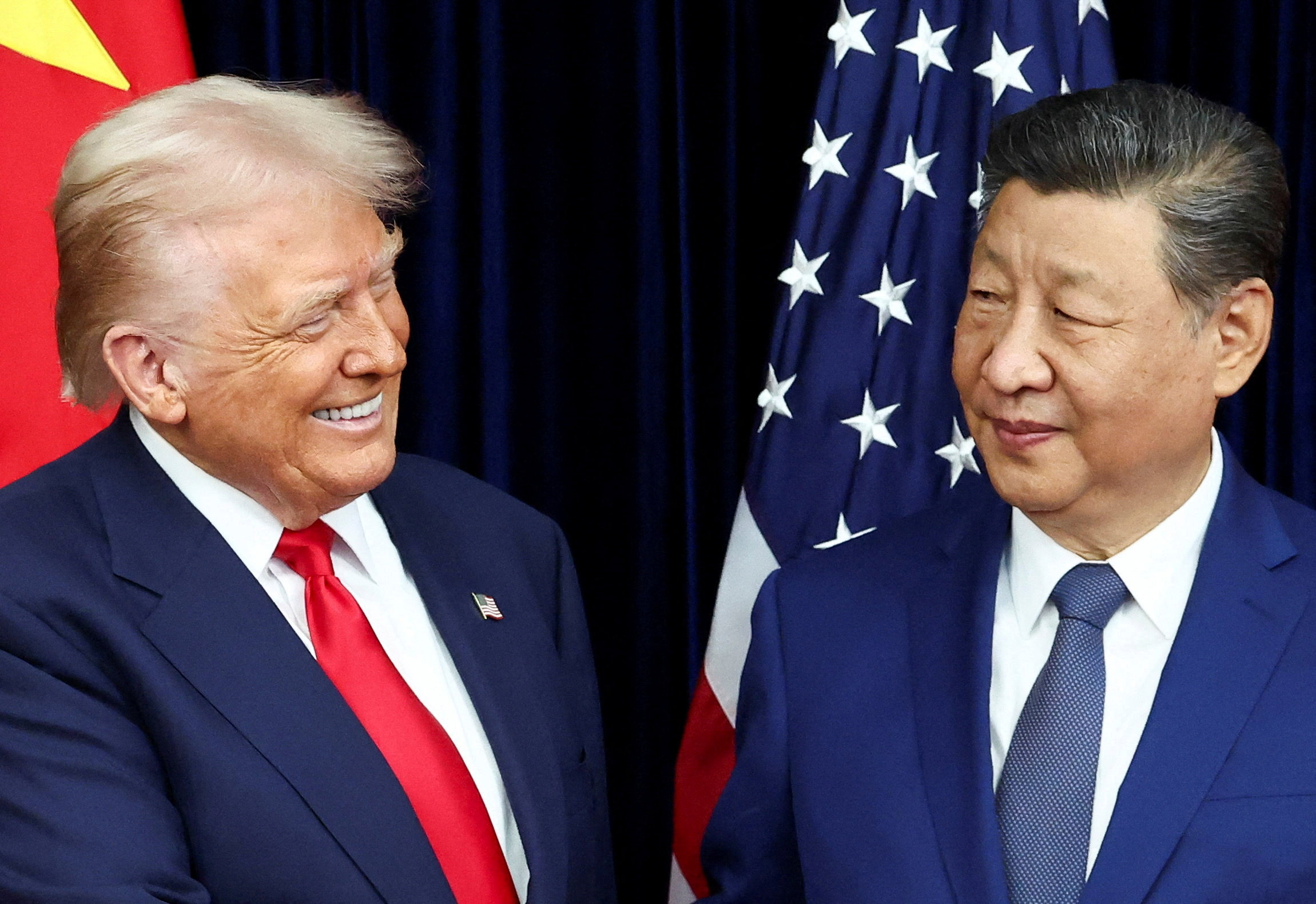
Trump and Xi Jinping during a bilateral meeting
Photo: Atlantic Council/Reuters

Trade War to Summit: Key Milestones

Apr 2025

Reciprocal tariffs hit triple digits

Trump invokes IEEPA to impose tariffs up to 145% on Chinese goods and 10–50% on most other trading partners, triggering a global supply chain scramble.

→ US importers paid an estimated $80–120 billion in additional tariff costs in 2025 alone, much of it passed to consumers.
Feb 20, 2026

SCOTUS strikes down country-specific tariffs (6–3)

In Learning Resources, Inc. v. Trump, the Supreme Court rules IEEPA does not authorize tariffs. Only a blanket 10% rate survives under separate authority.

→ Chinese exporters saw their effective tariff rate drop from 145% to 10% — a competitive repricing that rippled across Asian markets within days.
Mar 11, 2026

Trump launches Section 301 probes against 16 countries

Seeking alternative legal tools after the SCOTUS setback, the administration opens Section 301 investigations targeting China, EU, Vietnam, India, and 12 other nations.

→ Vietnamese exporters face renewed uncertainty — shrimp, electronics, and garment sectors brace for targeted duties if investigations conclude adversely.
Mar 15, 2026

Bessent–He Lifeng talks in Paris

US Treasury Secretary and Chinese Vice Premier hold preparatory talks covering rare earths, agricultural purchases, semiconductor export controls, and Section 301 management.

→ Both sides signaled willingness to talk — but 'clearing the underbrush' is diplomatic code for 'we have not agreed on anything yet.'
Mar 31 – Apr 2, 2026

Trump–Xi Beijing Summit

Trump arrives in Beijing for a three-day state visit — the first by a US president to China since his own 2017 trip. Agenda includes trade, tech controls, Taiwan, and fentanyl.

→ Markets are pricing in a modest positive outcome — S&P futures up 0.3% on summit confirmation — but a collapse in talks could trigger a sharp selloff.

What's on the Negotiating Table

Rare Earth Minerals

China controls ~70% of global rare earth refining. The US wants supply guarantees; China wants tech export restrictions eased. A rare earth deal could be the summit's most tangible deliverable.

Soy & Aircraft Purchases

China may commit to large-scale purchases of US soybeans and Boeing aircraft as goodwill gestures — echoing the 'Phase One' playbook from 2020 but with lower dollar targets.

High-Tech Export Controls

US semiconductor restrictions remain a core friction point. China wants access to advanced AI chips; the US sees them as a national security red line. Partial easing is possible but unlikely in Beijing.

Section 301 Investigations

The 16-country probe gives Trump leverage beyond IEEPA. China will push to narrow the scope; the US may offer to pause China-specific probes as a summit concession.


Section 301: The New Pressure Tool
With IEEPA tariff authority curtailed by the Supreme Court, the Trump administration pivoted to Section 301 of the Trade Act of 1974 — a statute that allows the US Trade Representative to investigate and impose tariffs on countries engaged in 'unfair trade practices.' On March 11, 2026, the administration announced investigations into 16 countries simultaneously, the broadest use of Section 301 in decades. The probe targets not just China but also the EU, Vietnam, India, South Korea, Japan, and others. For Vietnam specifically, the investigation focuses on alleged transshipment of Chinese goods through Vietnamese ports to avoid US tariffs — a practice that surged during the 2025 tariff escalation. India faces scrutiny over its digital services tax and restrictions on US agricultural imports. Section 301 investigations typically take 6–12 months to conclude, meaning any resulting tariffs would come well after the Beijing summit. But the threat itself is the leverage: it signals to all 16 countries that the trade war is not over, merely entering a new phase with different legal tools.
→ Vietnamese manufacturers routing Chinese components through local assembly lines face the highest risk — if Section 301 confirms transshipment, targeted tariffs of 25–50% could follow.
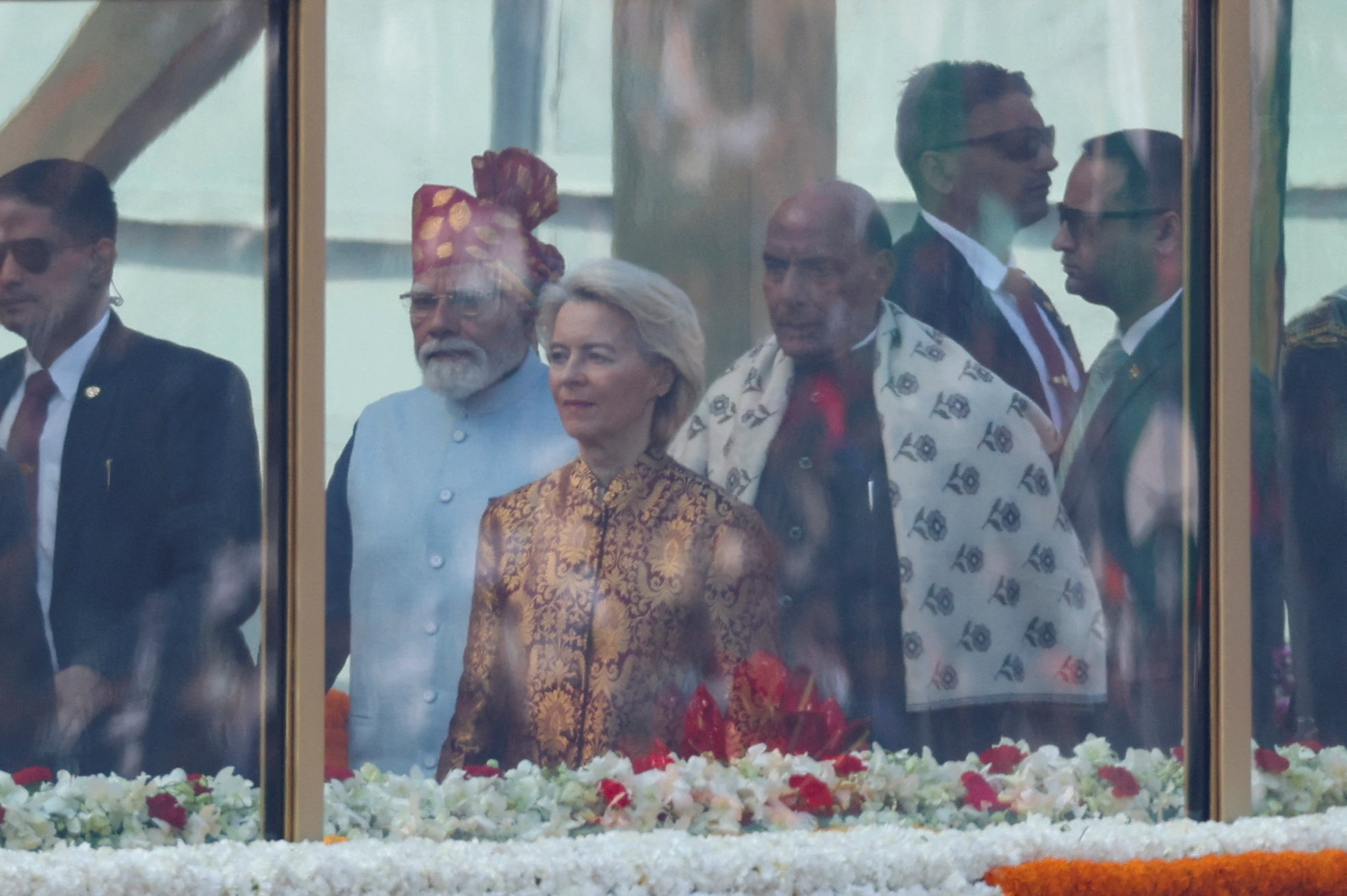
Indian Prime Minister Modi — India is among 16 countries targeted by new Section 301 trade probes
Photo: Al Jazeera/Reuters

This is the opening of a longer conversation — not the closing of a deal. Both sides understand that.


Busan G20 (Nov 2025) vs. Beijing Summit (Apr 2026)

Busan G20 SidelineBeijing Summit
Format90-minute bilateral sideline3-day state visit
US tariff leverageUp to 145% (IEEPA intact)10% blanket + Section 301 threat
China leverageLimited — facing max tariffsStrong — SCOTUS weakened US position
Expected outcome90-day tariff pause (delivered)Framework for 2026 talks
Pre-summit talksNone — leaders met coldBessent–He Lifeng in Paris

Global Ripple Effects: Vietnam, ASEAN, and Supply Chain Shifts

The Trump-Xi summit does not happen in a vacuum. Its outcome will reverberate across Southeast Asia, where countries like Vietnam have become both beneficiaries and collateral damage of the trade war. Vietnam's position is particularly delicate. On one hand, the country has been a major winner of supply chain diversification — FDI surged as manufacturers sought alternatives to China. On the other hand, the Section 301 investigation specifically targets alleged transshipment through Vietnam, threatening the very trade flows that fueled its export boom. Vietnamese officials have been walking a diplomatic tightrope: publicly welcoming US investment while privately negotiating with Beijing on supply chain coordination. For ASEAN broadly, the shift from 145% to 10% tariffs reduces the urgency of 'China+1' strategies. If US tariffs on Chinese goods remain at just 10%, the cost advantage of rerouting production through Vietnam or Thailand diminishes. This is paradoxically bad news for countries that invested heavily in attracting China-diverted manufacturing. The rare earth dimension adds another layer. China's dominance in rare earth processing means any disruption in US-China relations directly threatens the EV and semiconductor supply chains that ASEAN countries are trying to join.
→ If you run a Vietnamese export business, watch the Section 301 timeline closely — a negative finding could mean 25–50% tariffs within 12 months, erasing the cost advantage over Chinese competitors.
Summit Outlook: Manage Expectations
Most analysts — from the Atlantic Council to major investment banks — agree the Beijing summit will not produce a comprehensive trade deal. The most likely outcomes are a joint communique committing to further dialogue, a possible rare earth supply framework, and perhaps a Chinese commitment to purchase US agricultural goods. The real test comes in the months after: whether the Section 301 investigations are pursued aggressively or allowed to quietly stall as a diplomatic gesture.

Frequently Asked Questions

Cover photo: Al Jazeera. Published March 27, 2026. Analysis based on reporting from Al Jazeera, CNBC, Fortune, Atlantic Council, and Tax Foundation as of March 27, 2026.
AH
By An Hoang · International Affairs Correspondent
Published: March 27, 2026 · Updated: April 3, 2026
world·trump xi summit 2026 · us china trade war 2026 · trump beijing visit · us china tariffs april 2026
Share

Related Topics

trump xi summit 2026us china trade war 2026trump beijing visitus china tariffs april 2026trade war resetrare earth mineralssection 301 probebessent he lifeng paris talkstrump xi meeting

Stay on top of trends

Bookmark this page and check back often for the latest updates and insights.