Photo: LatestLY — Indian stock market crash March 19, 2026
The Numbers Tell the Story
The Triple Trigger
No single cause. Three converging crises created a market catastrophe unlike anything seen in 2026.[1]
Coordinated strikes in the Persian Gulf pushed oil prices sharply higher, rattling global markets. India, a major crude importer, faced compounding pressure from energy costs and inflationary spillover into equities.
The Federal Reserve held rates at 3.75%, reducing the appeal of riskier emerging market assets. A strengthening dollar accelerated FII rotation out of India back into U.S. dollar-denominated instruments.
HDFC Bank disclosed a severe quarterly loss, triggering panic selling domestically. As the largest-cap stock on BSE, the HDFC collapse pulled the broader Sensex and Nifty indices into freefall.
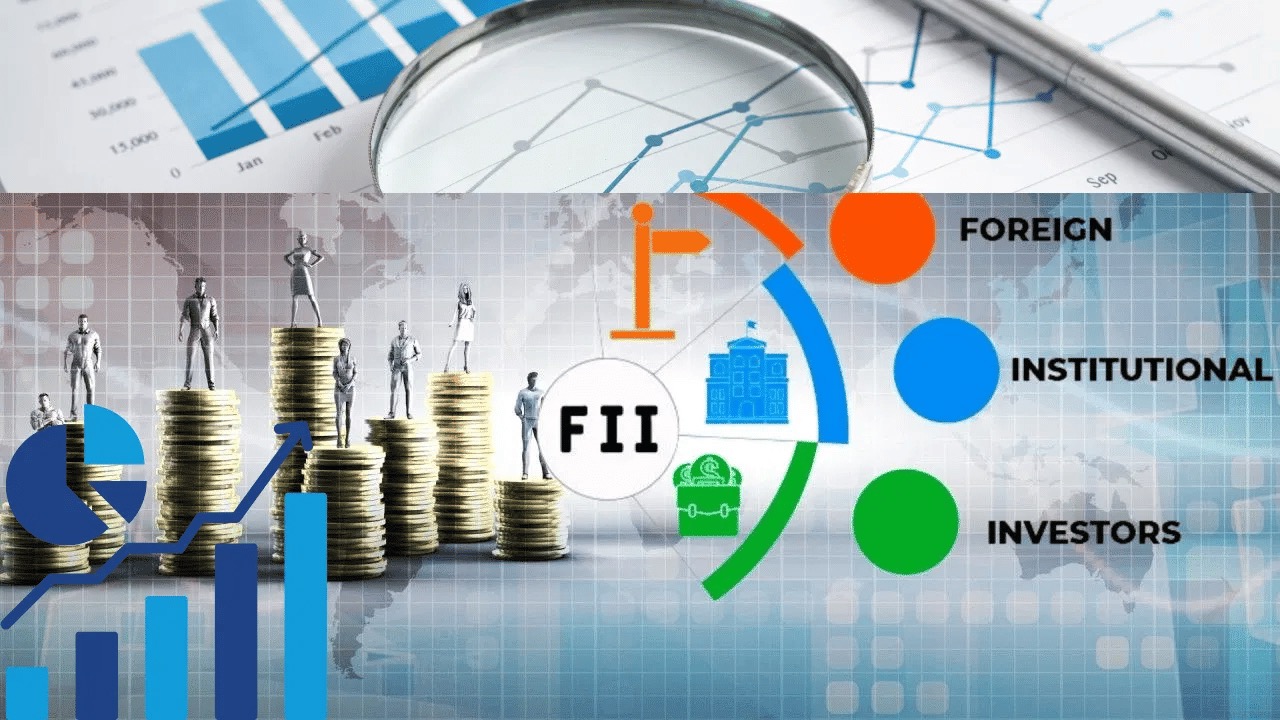
FII Capital Flight
Selling pressure built over three consecutive sessions before peaking on March 19. Nearly INR 6,000 crore withdrawn over three days.
Photo: LatestLY — India financial crisis
Intraday Breakdown
Market open — Sensex gaps down 620 points at open
FII heavy selling in banking; HDFC Bank plunges 6%
Fed news confirmed: hold at 3.75%; VIX spikes
Nifty breaks below 23,500 — key support level breached
Gulf attack reports spread — Brent crude +4%, INR weakens
Close: Sensex -1,900+ pts, Nifty settles below 23,200
Hardest-Hit Sectors
| Sector | 1-Day Drop |
|---|---|
| Banking & Financials | -4.2% |
| IT & Technology | -3.8% |
| Energy & Oil | -3.1% |
| Consumer Staples | -1.9% |
| Pharmaceuticals | -1.4% |
Photo: LatestLY — Global tensions market impact
What Comes Next?
Analysts point to divergent scenarios. A de-escalation in Gulf tensions could trigger a sharp relief rally. However, if the Fed maintains its hawkish hold and HDFC's crisis deepens, a second wave of selling could breach Nifty's 22,500 support zone.[3]
Recovery Scenario
Gulf de-escalation + RBI intervention + HDFC restructuring plan → Nifty rebounds toward 24,000 within 2 weeks.
Continued Sell-off
Escalation + sustained FII outflows + INR currency flight → Nifty breaks 22,500, Sensex risks 72,000.
Why Is India Vulnerable?
India is the world's 5th-largest emerging market, but heavily dependent on FII inflows. When global sentiment sours, foreign capital exits faster than any other asset class. FII ownership of 25-30% of BSE market cap makes the market uniquely exposed to external shocks.[2]
Related: Sensex crash in March | Gold price crash in March
▸ If you invested in the Sensex via an ETF fund, your portfolio may have lost 8-12% in just two weeks -- equivalent to lakhs of rupees for an average portfolio.
References
Frequently Asked Questions
More from this topic— India Markets Crash 2026: Sensex Drops, FII Pulls $18B Out
Related Topics
Stay on top of trends
Bookmark this page and check back often for the latest updates and insights.