IOC Bans Transgender Women From 2028 Olympics
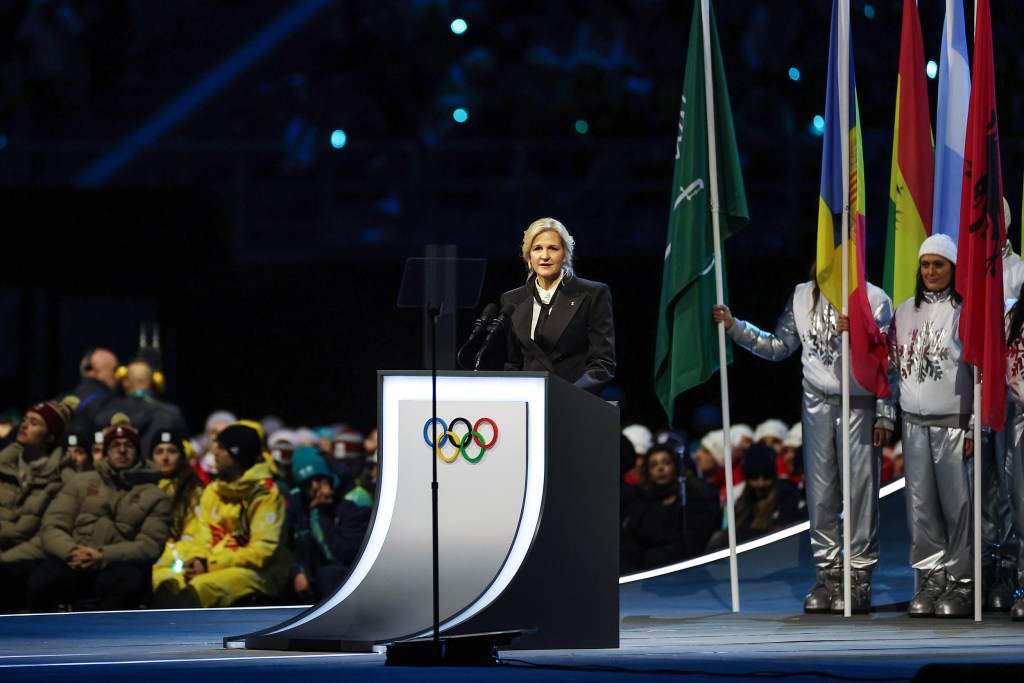
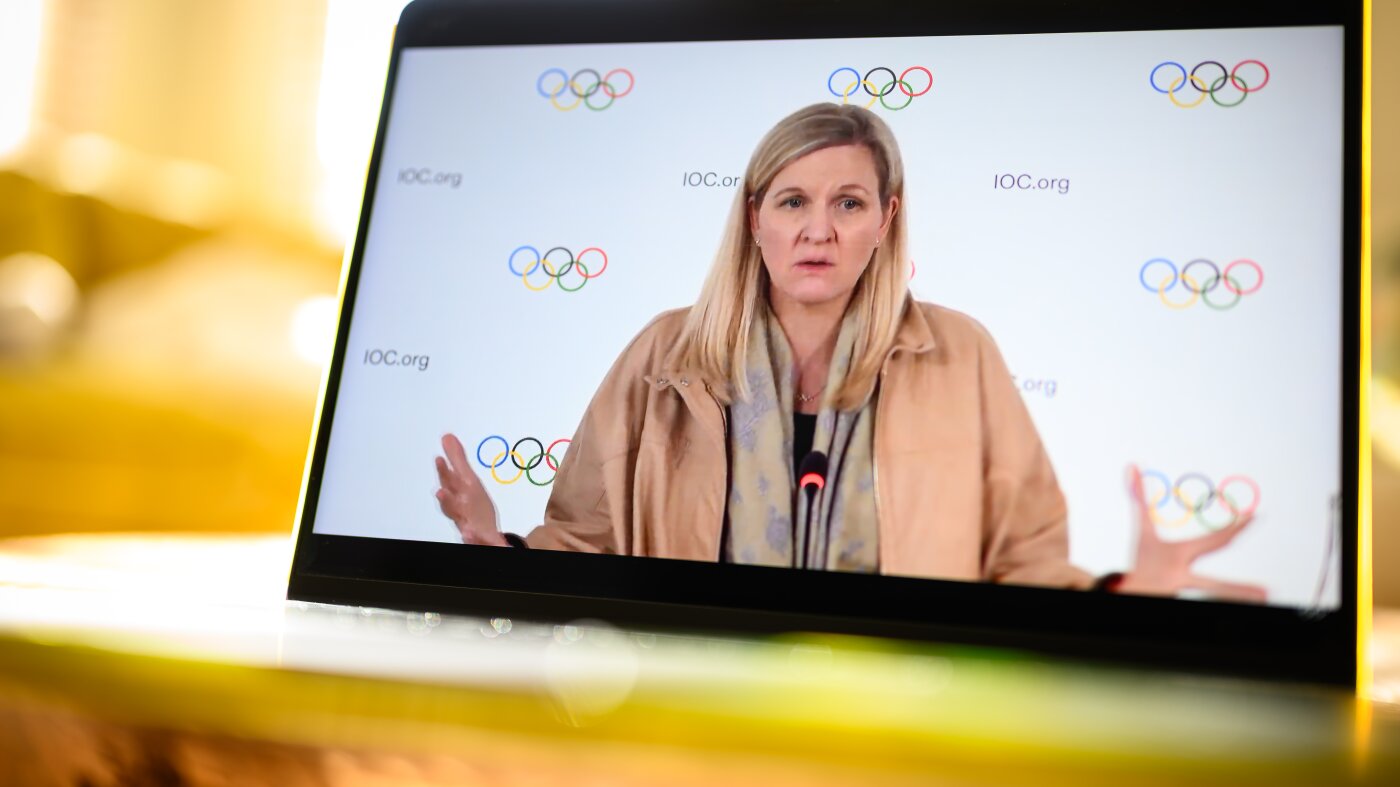
IOC President Kirsty Coventry announces SRY gene-based screening that bars transgender women from competing in women's Olympic events at the 2028 LA Games — the most sweeping eligibility policy in Olympic history.
Key Takeaways
- IOC President Kirsty Coventry announced on March 26, 2026 that athletes with the SRY gene — present on the Y chromosome — will be barred from women's Olympic events starting at the 2028 LA Games
- The SRY gene test costs approximately $250 per athlete — a genetic screening approach that has drawn criticism from both scientists and human rights organizations
- Peter Goodfellow, the scientist who discovered the SRY gene in 1990, publicly opposes using it for sports eligibility — calling it a misapplication of genetics
- France and Norway have laws banning genetic testing for non-medical purposes, potentially creating legal conflicts with the new IOC policy for their national Olympic committees
- The policy also impacts DSD (Differences of Sex Development) athletes like Caster Semenya, who has the SRY gene despite being raised female and competing as a woman her entire career
The SRY Gene Decision: What Coventry Announced
IOC Transgender Athlete Policy: Before vs After
| Criteria | Previous Policy (2021) | New Policy (2026) | |
|---|---|---|---|
| Eligibility Test | Testosterone < 10 nmol/L for 12 months | SRY gene screening (cheek swab) | |
| Cost Per Test | ~$50 (blood test) | ~$250 (genetic test) | |
| Trans Women Eligible? | Conditionally yes | No — barred entirely | |
| DSD Athletes (e.g. Semenya) | Case-by-case review | Barred if SRY-positive | |
| Scientific Basis | Hormone levels (endocrinology) | Genetic marker (genetics) | |
| Enforcement | International federations decide | IOC-mandated universal standard |
The Scientist Who Discovered SRY Says the IOC Is Wrong
Using SRY as a simple yes/no test for athletic eligibility is a fundamental misunderstanding of sex determination biology. Biology is not binary.
Policy Timeline: From Inclusion to Exclusion
IOC Stockholm Consensus
First IOC policy allows transgender athletes to compete after sex reassignment surgery and at least two years of hormone therapy — an extremely high barrier that effectively excludes most trans athletes.
IOC Drops Surgery Requirement
IOC replaces surgery requirement with testosterone suppression below 10 nmol/L for 12 months. This opened the door for transgender women athletes but remained controversial regarding competitive fairness.
IOC Framework on Fairness
IOC issues non-binding framework recommending federations develop their own inclusion criteria. Drops specific testosterone thresholds, leaving sports bodies to set rules individually. Creates a patchwork of inconsistent policies.
Paris Olympics: Zero Trans Athletes
Despite policies technically allowing transgender participation, zero openly transgender athletes competed at Paris 2024. The Imane Khelif controversy (DSD, not transgender) dominated headlines and fueled calls for stricter rules.
IOC Announces SRY Gene Ban
President Coventry unveils the "Framework for the Protection of the Female/Women's Category." All athletes competing in women's events must undergo SRY gene testing. Those testing positive are barred — no exceptions for hormone therapy, surgery, or DSD conditions.

The Legal Minefield: France, Norway, and Genetic Testing Laws
This policy turns the Olympics into a genetic checkpoint. It affects not just transgender women but anyone with a Y chromosome variant — including women who have lived their entire lives unaware they carry the SRY gene.
Stakeholder Reactions
IOC (Coventry)
Frames policy as protecting women's sport. Says SRY testing provides "clear, objective, universal" criteria that eliminate ambiguity of hormone-based rules.
Scientists (Divided)
Exercise physiologists broadly support the fairness argument. Geneticists — including SRY discoverer Goodfellow — call it a misapplication of science. Endocrinologists warn of unintended DSD consequences.
Legal / Human Rights
ACLU, Amnesty, HRW condemn the policy. France and Norway face legal conflicts with genetic testing bans. Semenya's ECHR case could invalidate the entire framework before LA 2028.
Frequently Asked Questions
References
- NBC News — Transgender women banned from Olympics under new IOC policy (March 26, 2026)
- CNN — Olympics ban transgender women from women's events under new IOC policy (March 26, 2026)
- Time — Olympics ban transgender athletes from women's events under sweeping new policy (March 26, 2026)
- NPR — IOC bans trans women from Olympic events, introduces genetic testing (March 26, 2026)
- IOC — International Olympic Committee announces new policy on the protection of the female/women's category (March 26, 2026)