Published: April 14, 2026
Pope Leo XIV: 'I Have No Fear of Trump' Over Iran War
First US-born pope defied Trump's attacks over Iran war peace appeals. Trump posted AI Jesus image. Leo begins Africa tour.
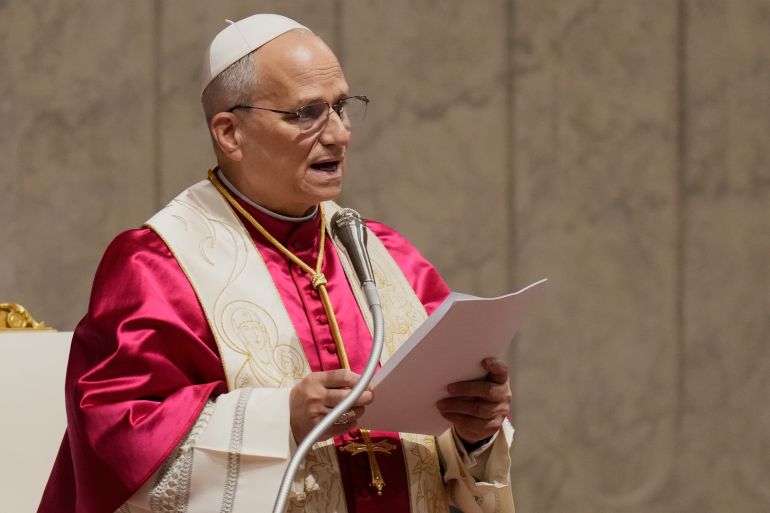
Photo: Gregorio Borgia/AP via Al Jazeera
- Pope Leo XIV directly challenged the Trump administration over Iran war rhetoric, stating "I have no fear."
- Trump attacked the Pope on social media, calling peace appeals "terrible for foreign policy."
- Trump posted and deleted an AI-generated image of himself as Jesus, drawing condemnation from religious leaders.
- The Pope criticized U.S. immigration policy as incompatible with a "pro-life" stance.
- Leo XIV began an 11-day Africa tour, reinforcing the Church's pivot toward the Global South.
- The confrontation marks the most public U.S.-Vatican clash since the Cold War era.
An American Pope Against an American President
The confrontation between Pope Leo XIV and President Donald Trump escalated rapidly in the first week of April 2026, marking one of the most unprecedented public clashes between a sitting U.S. president and the head of the Roman Catholic Church. What makes this conflict particularly remarkable: both men are American.
Pope Leo XIV — born Robert Francis Prevost in Chicago, elected pope in May 2025 — has demonstrated a willingness to confront political power that many of his predecessors avoided. As the U.S.-Iran conflict continued to escalate, he chose to deploy the Vatican's moral authority in a direct challenge to Washington's military posture.
"Destroy Civilization" Is Truly Unacceptable
On April 8, Pope Leo XIV devoted a significant portion of his weekly general audience to the Iran conflict. He described calls to destroy Iranian civilization as "truly unacceptable" and emphasized that any military solution must preserve civilian lives. This was not a generic peace appeal — it was a specific condemnation of a posture endorsed by some U.S. officials.
Two days later, he broadened his critique to immigration policy, questioning whether self-proclaimed "pro-life" positions could be reconciled with family separations and mass deportations. "Protecting life does not stop at birth," he said.
"Terrible for Foreign Policy"
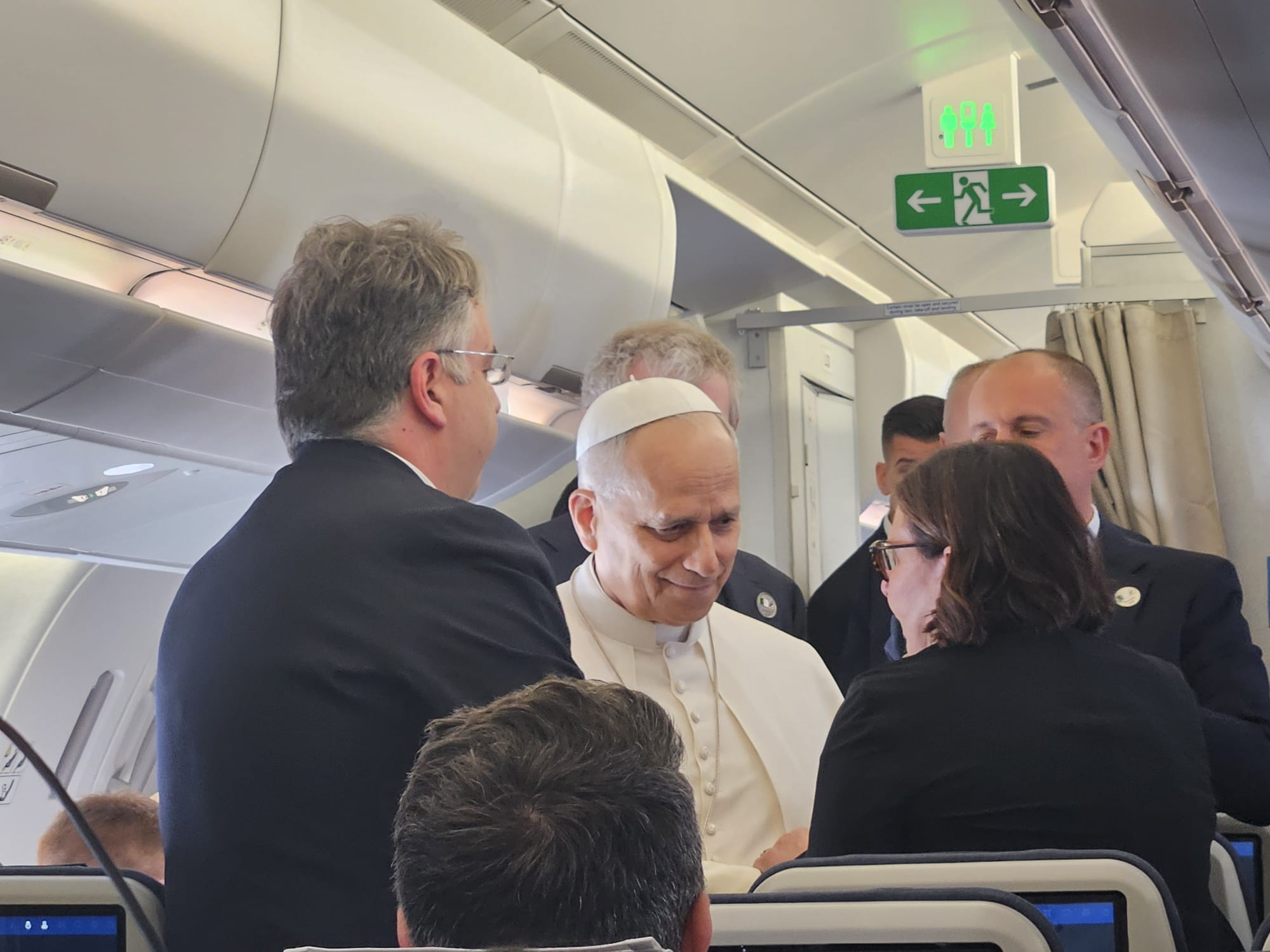
President Trump responded with a series of social media posts on April 12, calling the Pope's peace appeals "terrible for foreign policy" and accusing the pontiff of interfering in American affairs. The tone of the posts was described by analysts as extraordinary in the context of U.S.-Vatican diplomatic relations.
A day earlier, on April 11, Trump had posted an AI-generated image on Truth Social depicting himself in Christ-like imagery, according to multiple news outlets. The post drew condemnation from religious leaders across denominations and was deleted within hours. However, screenshots had already been viewed an estimated 40 million times before the post was removed.
The post was viewed an estimated 40 million times before deletion. Religious leaders called it "blasphemous" and "a profound offense to the Christian faith." The incident dominated the news cycle for 48 hours, overshadowing policy discussions about Iran.
How the Feud Unfolded
Pope Leo XIV Condemns Iran War Rhetoric
Leo Criticizes Trump Immigration Stance
Trump Posts AI Image of Himself as Jesus
Trump Attacks Pope Leo on Social Media
Leo Declares: "I Have No Fear of Trump"
Africa Tour Begins in Algeria
The Vatican and the Iran Conflict
Pope Leo XIV's peace appeal was not an impulsive act. The Vatican has maintained diplomatic channels with Iran for decades, and the Catholic Church has a long history of brokering reconciliation — from Cuba to Colombia, from Mozambique to Northern Ireland.
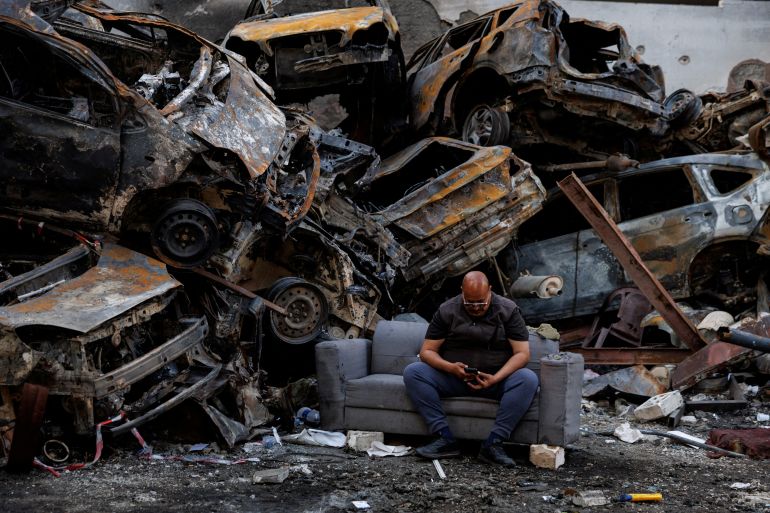
The U.S.-Iran conflict, including the Hormuz Strait blockade, had pushed oil prices above $115 per barrel and created global economic instability, according to reports. The Pope emphasized that the humanitarian consequences of war could not be justified by geopolitical objectives.
11 Days That Could Reshape Vatican Diplomacy
Pope Leo XIV's Africa tour, beginning in Algeria on April 13, was planned months in advance, but the political context gave it new significance. By starting in a majority-Muslim country, he sent a clear message about interfaith dialogue — a stark contrast to the "clash of civilizations" rhetoric dominating Washington.
Africa is home to the fastest-growing Catholic population in the world, with an estimated 250 million Catholics and projections to double by 2050. Leo XIV's visit was not merely diplomatic — it was strategic for the future of the Church.
A Complicated Relationship
The relationship between the Catholic Church and American politics has always been complex. Catholic voters constitute roughly 22% of the U.S. electorate and do not lean uniformly toward either party. They are split between issues like abortion (leaning Republican) and social justice/immigration (leaning Democratic). Pope Leo XIV, as the first American-born pope, holds a unique voice in this debate.
By challenging both the Iran war stance and immigration policy, he is effectively challenging both parties — this is not simply a personal confrontation with Trump, but a repositioning of the Church's role in American public life.
Vietnam's Catholic Community Watches Closely
Vietnam is home to the second-largest Catholic community in Southeast Asia, with approximately 7 million faithful. The confrontation between Pope Leo XIV and Trump is being followed closely, particularly as the Pope's peace sermons are broadcast live in parishes across the country.
The Pope's stance on peace and human rights also resonates as Vietnam-Vatican relations warm following the historic visit of a Vatican representative to Hanoi in 2024. Many Vietnamese Catholics view Leo XIV's defiance as a symbol of a Church willing to speak up for the vulnerable.
- [1]Al Jazeera — "Terrible for foreign policy": Trump attacks Pope Leo after peace appeal (April 13, 2026)
- [2]EWTN News — Pope Leo XIV: "I have no fear of the Trump administration" (April 13, 2026)
- [3]NPR — Trump and Pope Leo XIV clash over Iran war and immigration (April 13, 2026)
Frequently Asked Questions
Related Topics
Stay on top of trends
Bookmark this page and check back often for the latest updates and insights.