Key Takeaways
- TDOV 2026 trended as the top US hashtag on X/Twitter on April 1, reflecting massive public engagement.
- The IOC officially banned transgender athletes from women's events at the Paris 2028 Olympics.
- More than 25 US states have passed laws restricting transgender rights; GLAAD reports 2026 as the year with the highest number of anti-trans bills in US history.
- The Trump administration issued federal policies restricting access to gender-affirming healthcare.
- Global solidarity protests were organized in major cities across multiple continents.
What Is TDOV and Why 2026 Is Different
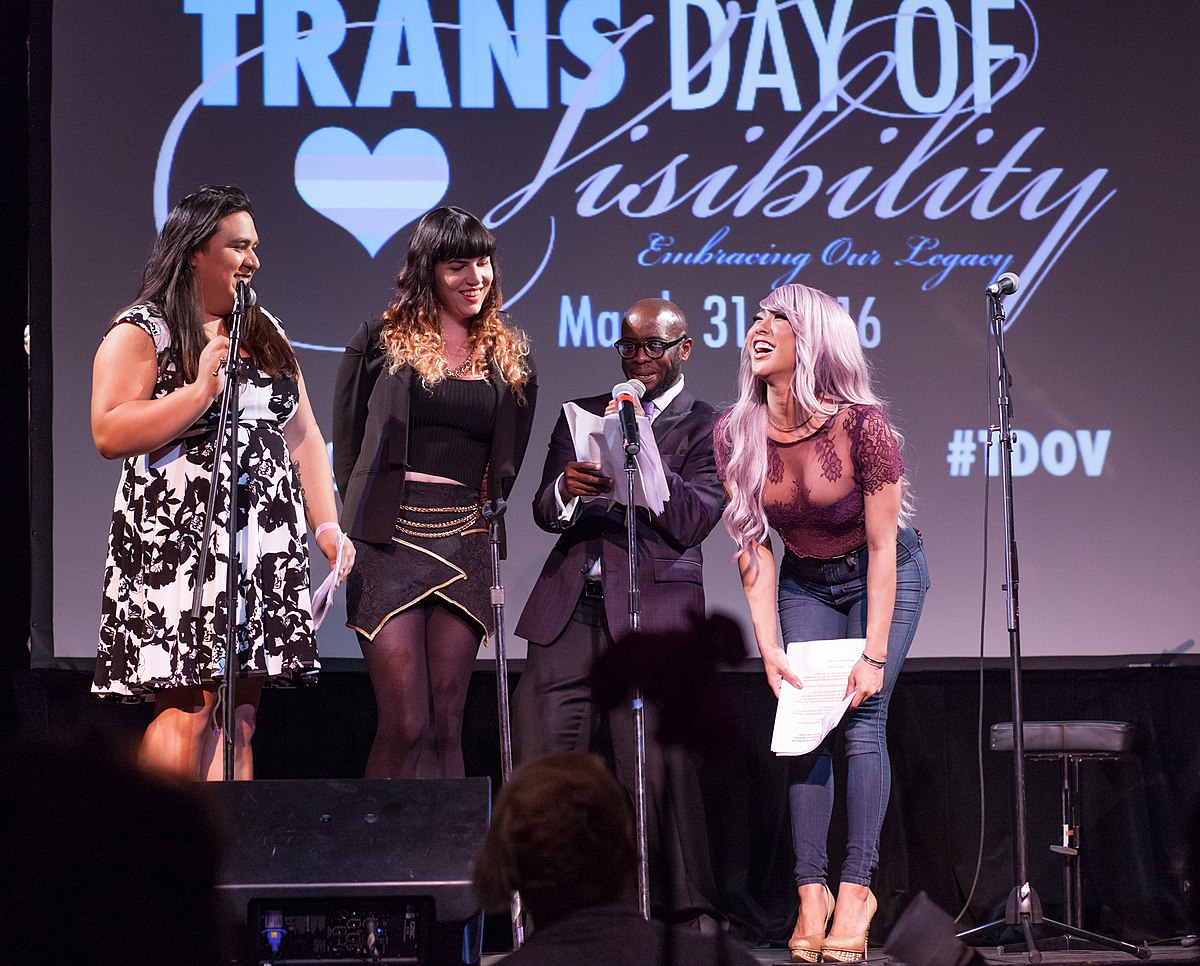
International Transgender Day of Visibility was founded in 2009 by Rachel Crandall of Transgender Michigan, observed annually on March 31. The day celebrates transgender people and raises awareness of discrimination faced by trans communities worldwide.
In 2026, TDOV carries especially profound political significance. On April 1, the TDOV hashtag became the top trending topic in the United States on X/Twitter, coinciding with President Trump attending the Supreme Court. This timing amplified the political significance of the observance, transforming it from a day of celebration into a call to action.
Policy Landscape: The Battle Across America
According to GLAAD tracking data, 2026 has seen the highest number of anti-trans bills in US history. The Trump administration issued federal policies restricting access to gender-affirming healthcare, particularly for minors. More than 25 states have passed laws restricting transgender rights across multiple domains.

IOC and the Olympics: The Paris 2028 Ban
The International Olympic Committee (IOC) has officially banned transgender athletes from competing in women's events at the Paris 2028 Olympics. This decision marks a significant departure from prior policies that allowed transgender athletes to compete based on testosterone levels.
The ban has sparked polarized reactions. Supporters argue it protects fairness in women's sports, while human rights organizations condemn it as discriminatory. Several transgender athletes have spoken out, stating the decision negates years of their training and sacrifice.
Read our full analysis: IOC Transgender Ban at Olympics 2028
-> For trans communities, the Olympic ban is not just about sports but signals that the world's largest international institutions are closing doors to equal opportunity.
Transgender Rights Timeline
Global Visibility Events
Solidarity protests were organized in major cities worldwide during TDOV 2026. Organizations including GLAAD, the National Center for Transgender Equality, and Trans Lifeline coordinated awareness campaigns and community support efforts.
Across European countries, government buildings and historic monuments were illuminated in the trans flag colors (blue, pink, white). In Latin America, community organizations held legal rights workshops. In Southeast Asia, online campaigns attracted millions of interactions.
Healthcare Access Challenges
Gender-affirming healthcare has become a central focus of the policy debate. Major medical organizations, including the American Medical Association (AMA), the American Academy of Pediatrics (AAP), and the Endocrine Society, continue to support evidence-based access to gender-affirming care.
However, new federal and state policies have created significant barriers. Many families must travel across state lines for their children to access treatment, while specialized clinics face increasing legal pressure.
-> A family in Texas may need to travel hundreds of miles to another state for their child to receive physician-recommended hormone therapy, with significant travel costs and lost work time.
Legal Landscape and What Comes Next
Multiple lawsuits are being considered by federal courts across the United States, challenging the constitutionality of state-level bans. Organizations such as the ACLU and Lambda Legal are leading legal efforts, with some cases potentially reaching the Supreme Court.
Meanwhile, some states and cities have passed protective legislation, creating so-called "sanctuary states" for families with transgender members. California, New York, Illinois, and Colorado are among the states with the strongest protective policies.
-> The US legal map is splitting into two distinct poles: protective states and restrictive states, creating a "two nations" dynamic within one country regarding transgender rights.
Support Organizations and Resources
Outlook
TDOV 2026 demonstrates that transgender rights continue to be one of the most prominent human rights issues of this era. The convergence of the observance with major political events amplified the debate, attracting unprecedented global attention.
In the context of global trade impacts, trans communities also face economic consequences from restrictive policies. Read our analysis on Trump tariffs and the trade war for broader political context.
-> Regardless of the legal outcomes, TDOV 2026 proved that visibility and voice are the most powerful acts. Millions sharing stories in a single day showed that the trans community refuses to be rendered invisible.
References
- Trends24 — Top Trending Topics in United States — April 1, 2026
- GLAAD — Transgender Rights Legislation Tracker 2026 — 2026
- IOC Transgender Ban at Olympics 2028 (ZestLab) — 2026
- National Center for Transgender Equality — Policy Updates — 2026