Key Takeaways
- Trump stated on Fox Business on April 15: "If he's not leaving on time, I'll fire him."
- The Federal Reserve Act requires removal 'for cause' — policy disagreements do not qualify.
- DOJ opened a criminal probe into Powell; a federal judge ruled the investigation appeared to be a pretext.
- Kevin Warsh's Senate confirmation hearing is scheduled for April 21, 2026.
- S&P 500 at 7,022.95 and Nasdaq at 24,016.02 — markets rallied over 10% in two weeks.
Trump's Threat: "I'll Fire Him"
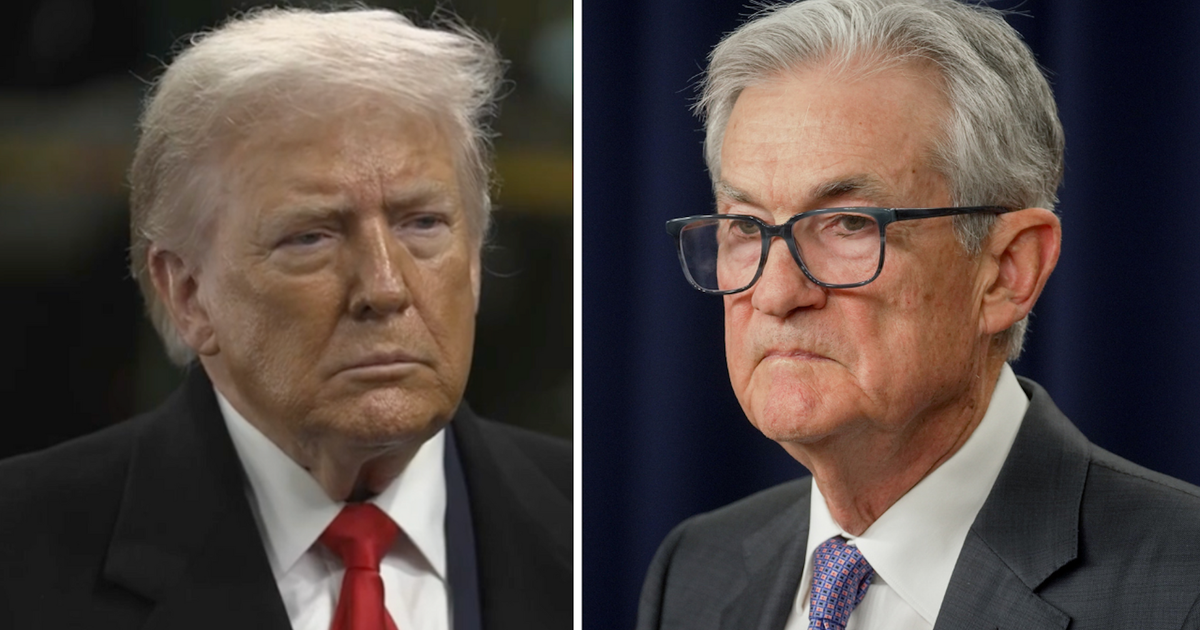
In a Fox Business interview on April 15, 2026, President Donald Trump delivered his most direct threat yet against Federal Reserve Chair Jerome Powell. Powell's term is set to expire around May 15, 2026, but Trump signaled he was unwilling to wait.
“If he's not leaving on time, I'll fire him.”Donald Trump, Fox Business interview, April 15, 2026
The statement marked a dramatic escalation in the long-strained relationship between Trump and Powell. The core dispute remains about interest rate policy: Trump wants aggressive rate cuts to stimulate the economy, while the Fed maintains a cautious stance amid persistent inflationary pressures.
According to CNBC, this was not the first time Trump criticized Powell, but the explicit use of the word 'fire' on national television was unprecedented for a sitting U.S. president.
Legal Barriers: The Federal Reserve Act
The Federal Reserve Act stipulates that members of the Board of Governors can only be removed by the president 'for cause.' According to CBS News, constitutional law scholars interpret this term to mean misconduct, neglect of duty, or incapacity — not disagreements over monetary policy.
If Trump were to actually fire Powell, the case would almost certainly reach the Supreme Court, creating an unprecedented constitutional crisis over the boundaries of executive power over independent agencies.
The DOJ Criminal Probe
According to NBC News, the Department of Justice opened a criminal probe into Fed Chair Jerome Powell. However, a federal judge ruled that the investigation appeared to be a 'pretext' — designed not to prosecute actual criminal conduct, but to manufacture legal grounds for removal.
“The evidence suggests this investigation was not a genuine effort to prosecute criminal conduct, but a vehicle to create cause for removal.”Federal judge, per NBC News
The judge's ruling carries significant weight: it demonstrates that even the judicial branch is wary of attempts to weaponize law enforcement agencies for political purposes. This sets a precedent that could profoundly affect how future presidents interact with independent agencies.

Powell's Legacy at the Fed
Jerome Powell led the Fed through some of the most challenging periods in modern American economic history: the COVID-19 pandemic, the 2022-2023 inflation crisis, and market instability caused by the Iran conflict. He has been known as a cautious, data-driven leader who prioritizes evidence over political pressure.
Many economists and former Fed officials argue that firing Powell just weeks before his term expires would be purely institutional sabotage — sending a signal that any Fed chair can be removed for not complying with the political wishes of the sitting president.
Market Reaction
As of mid-April 2026, U.S. equity markets experienced an impressive two-week rally, with the S&P 500 reaching 7,022.95 and the Nasdaq at 24,016.02. This 10%+ recovery was largely driven by expectations of easing trade tensions and a more favorable interest rate outlook.
However, analysts warn that threats to fire Powell could reverse this rally if markets begin pricing in the risk of losing Fed independence. History shows that political interference with central banks typically leads to rising inflation expectations, higher bond yields, and currency weakness.
→ If you hold a U.S. equity portfolio, Fed volatility could hit directly: a 3% S&P 500 drop equals roughly 211 points from current levels.
Constitutional Crisis Over Fed Independence
Central bank independence is a cornerstone of the modern global financial system. The core principle: decisions about interest rates and money supply must be based on economic data, not election schedules. If a president can fire the Fed chair over policy disagreements, this boundary collapses entirely.
Kevin Warsh: Trump's Successor Pick
Kevin Warsh, a former Fed governor from 2006 to 2011, has been nominated by Trump to succeed Powell. His Senate confirmation hearing is scheduled for April 21, 2026. Warsh is viewed by investors as deeply market-savvy, but also as someone whose views on interest rates align more closely with Trump's preferences.
| Jerome Powell | Kevin Warsh | |
|---|---|---|
| Fed tenure | 2012-2026 (Chair 2018-) | 2006-2011 |
| Rate stance | Data-dependent, cautious | Dovish-leaning |
| Trump relationship | Adversarial | Close ally |
| Background | Lawyer, private equity | Investment banking (Morgan Stanley) |
The biggest question at the confirmation hearing will be whether Warsh commits to maintaining Fed independence from White House pressure. If he appears too deferential to presidential wishes, the Senate may deny confirmation — further complicating the succession question.
Global Central Bank Independence at Stake
The Trump-Fed standoff is not merely a domestic American issue. Central bank independence is a pillar of the international financial system, and U.S. actions create global ripple effects.
In Vietnam, the State Bank of Vietnam (SBV) has faced similar pressures in balancing government growth targets with inflation control. The precedent from the United States — whether Powell is fired or not — will influence how other governments view the boundaries of intervention in monetary policy.
In Turkey, President Erdogan fired multiple central bank governors in recent years, resulting in the lira losing over 80% of its value and inflation exceeding 60%. This remains the clearest cautionary tale of what can happen when politics invades monetary policy.