Fed Holds Rates at 4.75% — Iran War Paralyzes Fed Decision
The FOMC voted unanimously 11–0 to hold the federal funds rate at 4.75% at its March 2026 meeting, as geopolitical uncertainty from the Iran war creates too much risk to act despite inflation falling to 2.8%.
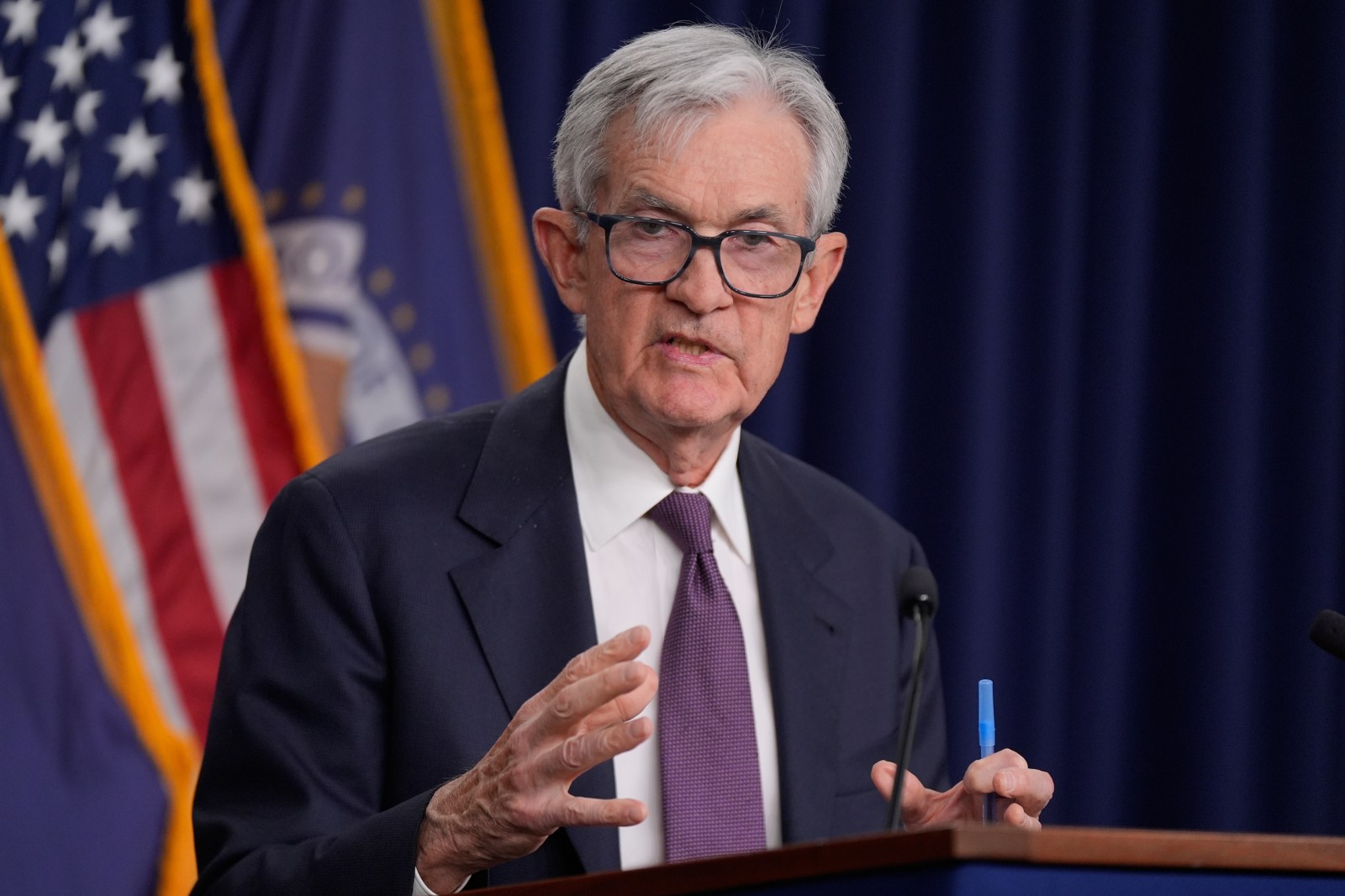
Breaking Context: Why the Fed Cannot Act
At the March 2026 FOMC meeting, the Federal Reserve faced one of the most complex policy dilemmas in decades. CPI inflation had fallen to 2.8% — approaching the 2% target — but the Iran war created a layer of geopolitical uncertainty that could not be ignored.
The conflict pushed WTI oil to $95/barrel on fears of a Strait of Hormuz closure — the waterway carrying roughly 20% of global oil supply. If the strait were blockaded, economic models suggest CPI could quickly exceed 4%, undoing two years of disinflation progress.
With the balance sheet still at $7.2 trillion and the labor market still relatively firm, the FOMC voted unanimously 11–0 to hold rates — a cautious decision aimed at protecting hard-won disinflation gains against the unmeasurable risks of the Iran war.
Risk Assessment: Key Threats
Four key risks the Fed is monitoring as it navigates its March 2026 policy decision.
Market Reaction
Immediately after the hold decision, equity markets reacted negatively as investors realized rate cuts were further away than expected. The S&P 500 fell approximately 0.8% during the trading session.
Bond markets saw 10-year Treasury yields rise to 4.6%, reflecting expectations for a prolonged period of high rates. Gold continued to rally on geopolitical risk demand, while the US dollar strengthened against most emerging market currencies.
Fed Chair Statements
"Geopolitical uncertainty from the Iran conflict poses exceptional risks to the inflation outlook. We need more evidence that inflation is continuing to move sustainably toward 2% before adjusting policy."
"Oil prices at current levels of $95/barrel are a real concern. If the Strait of Hormuz is significantly disrupted, we could see energy inflation pressures large enough to reverse disinflation progress."
Both Powell and Jefferson emphasized that the May 2026 decision will depend heavily on how the Iran situation evolves and energy price data. The Fed maintains a flexible stance, ready to act in either direction depending on circumstances.
References
- [1]FOMC March 2026 Monetary Policy StatementFederal Reserve — March 18, 2026
- [2]Fed Holds Rates as Iran War Paralyzes Decision-MakingReuters — March 19, 2026
- [3]Oil Markets and Iran Geopolitical RiskBloomberg — March 2026
- [4]Economic Projections and Fed Rate Outlook 2026Wall Street Journal — March 2026
▸ With rates frozen at 4.75%, a $400,000 mortgage costs roughly $2,630/month -- about $350 more than it would at 3.5%.
Frequently Asked Questions
The most common questions about the Fed rate decision and the impact of the Iran war.
More from this topic— US-Iran Conflict
Related Topics
Stay on top of trends
Bookmark this page and check back often for the latest updates and insights.