Key Takeaways
- The US added 178,000 jobs in March, crushing the +59,000 forecast and reversing February's -133,000 loss.
- Healthcare dominated at +76,400; financial services was the only sector to contract (-15,000).
- Unemployment dipped from 4.4% to 4.3%, but 1.8 million long-term unemployed (+322K year-over-year) signals structural issues.
- The Fed is virtually certain to hold at 3.50-3.75% at the April FOMC (99.5% probability).
- Inflation has been above 2% for 59 consecutive months — dual pressure from tariffs and oil prices.
The March Surprise: +178,000 Jobs
The Bureau of Labor Statistics (BLS) jobs report released April 4, 2026, delivered a major upside surprise: nonfarm payrolls surged by +178,000, tripling the Bloomberg consensus forecast of +59,000. The private sector was even stronger at +186,000, fully offsetting February's revised -133,000 decline.
Unemployment dipped from 4.4% to 4.3%, but shadows remain: long-term unemployed (27+ weeks) reached 1.8 million, up 322,000 year-over-year, reflecting structural mismatches in the labor market.
→ If you hold US stocks: the S&P 500 jumped 1.2% immediately after the report. A $10,000 portfolio gained ~$120 within the first hour.
Nonfarm Payrolls (Last 6 Months)
Thousands of jobs
Sector Winners and Losers
Healthcare continued as the primary engine of US job growth with +76,400 positions — accounting for nearly 43% of all new payrolls. This trend aligns with aging demographics and rising healthcare demand.
Construction (+26,000) and transportation (+21,000) recovered after weather-impacted February. Manufacturing added 15,000 despite tariff concerns. Financial services was the sole loser at -15,000, continuing the automation and fintech-driven contraction.
→ In financial services? 15,000 positions were cut. If you're in the sector, consider pivoting to fintech or data analytics — both are actively hiring.
Sector Job Changes (March 2026)
ZestLab analysis based on BLS data, April 2026
The Fed Equation: Rates on Hold
With a beat-expectations jobs report, the prospect of Fed rate cuts in 2026 grows increasingly remote. According to CME FedWatch, the probability of holding rates at 3.50-3.75% at the April FOMC stands at 99.5%. Looking further out, 77.5% of markets expect rates to remain unchanged through all of 2026.
Inflation has exceeded the Fed's 2% target for 59 consecutive months. Now, dual pressure from Section 232 tariffs (10% baseline) and rising oil prices from the Iran conflict could push CPI even higher in Q2.
→ Have a variable-rate loan? Rates aren't coming down soon. A $300,000 mortgage at 7% will keep costing ~$2,000/month in interest with no relief in sight.
Fed Rate Probability — April FOMC
Source: CME FedWatch, April 4, 2026
Structural Concerns: Rising Long-Term Unemployment
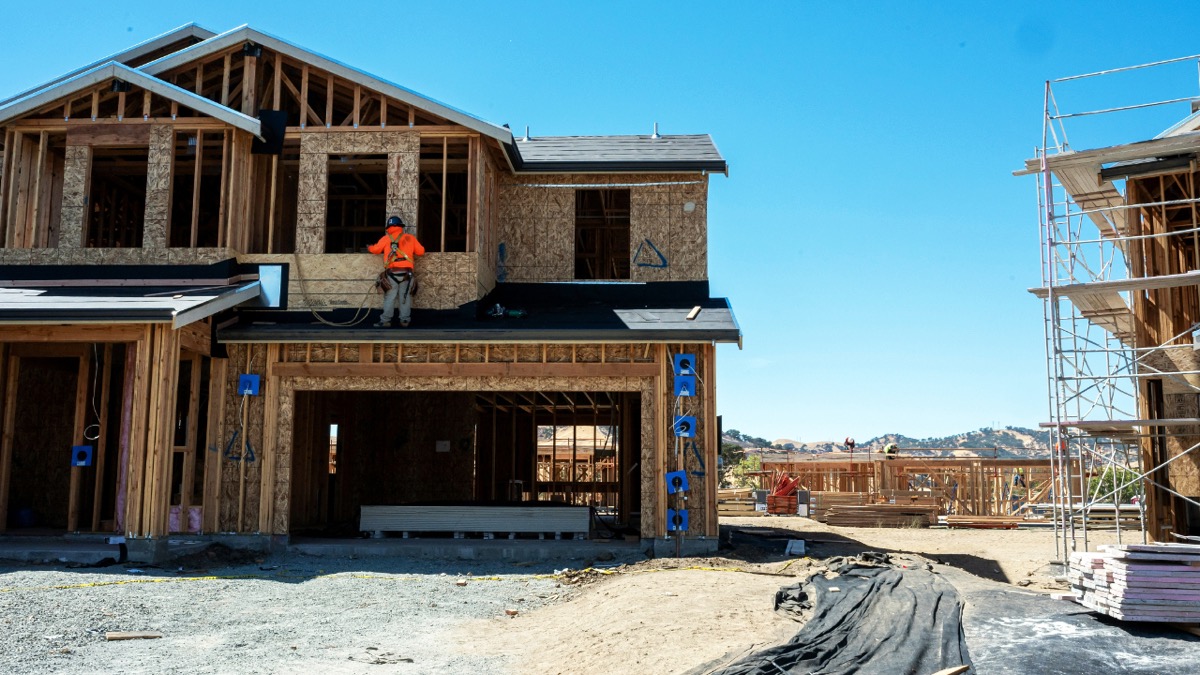
Despite encouraging headline numbers, long-term unemployment (27+ weeks) reached 1.8 million — up 322,000 from the same period in 2025. This reflects a growing mismatch between worker skills and hiring demands, particularly as AI and automation eliminate traditional roles.
Federal workforce reductions under DOGE — the primary driver of February's decline — continue albeit more slowly. Many displaced federal workers are transitioning to private sector roles, but the conversion process takes an average of 4–6 months.
→ Unemployed for 6+ months? Reskilling programs in healthcare and construction have the strongest hiring pipelines. WIOA programs offer tuition assistance.
Tariff Impact and Outlook
Despite the labor market rebound, the elephant in the room is how new Section 232 tariffs with a 10% baseline will affect manufacturing and exports. March's +15,000 manufacturing gain was largely driven by pre-tariff order backlogs — this figure may be misleading.
Per ZestLab analysis, April's report will be the real test as tariff effects begin to materialize. Roughly 60% of surveyed manufacturers indicate they will maintain or reduce hiring in Q2 if tariffs remain unchanged.
What It Means for Workers
The US labor market is in a state of "uneven recovery." Healthcare, construction, and transportation are booming while financial services and tech continue cutting. Average hourly earnings grew 3.8% year-over-year — barely above inflation, meaning real income is essentially flat.
With inflation above 2% for 59 consecutive months and pressure from tariffs plus oil prices, workers' real purchasing power continues to erode. According to NPR, many households are taking on second jobs to offset rising costs.
→ Wages up 3.8% but inflation ~3.5%: real income grew only 0.3%. On a $60,000 salary, that's just $180/year in real terms — not even enough for one extra restaurant meal per month.
Related Articles
References
- Bloomberg — US Adds 178,000 Jobs, Unemployment Rate Drops to 4.3%
- Fox Business — US Jobs Report March 2026
- NPR — Jobs, Employment, Economy & Labor Market, April 2026
- CME FedWatch — Fed Rate Probability, April 4, 2026
- US Bureau of Labor Statistics (BLS) — Employment Situation Report, March 2026