Key Metrics
Growth Overview
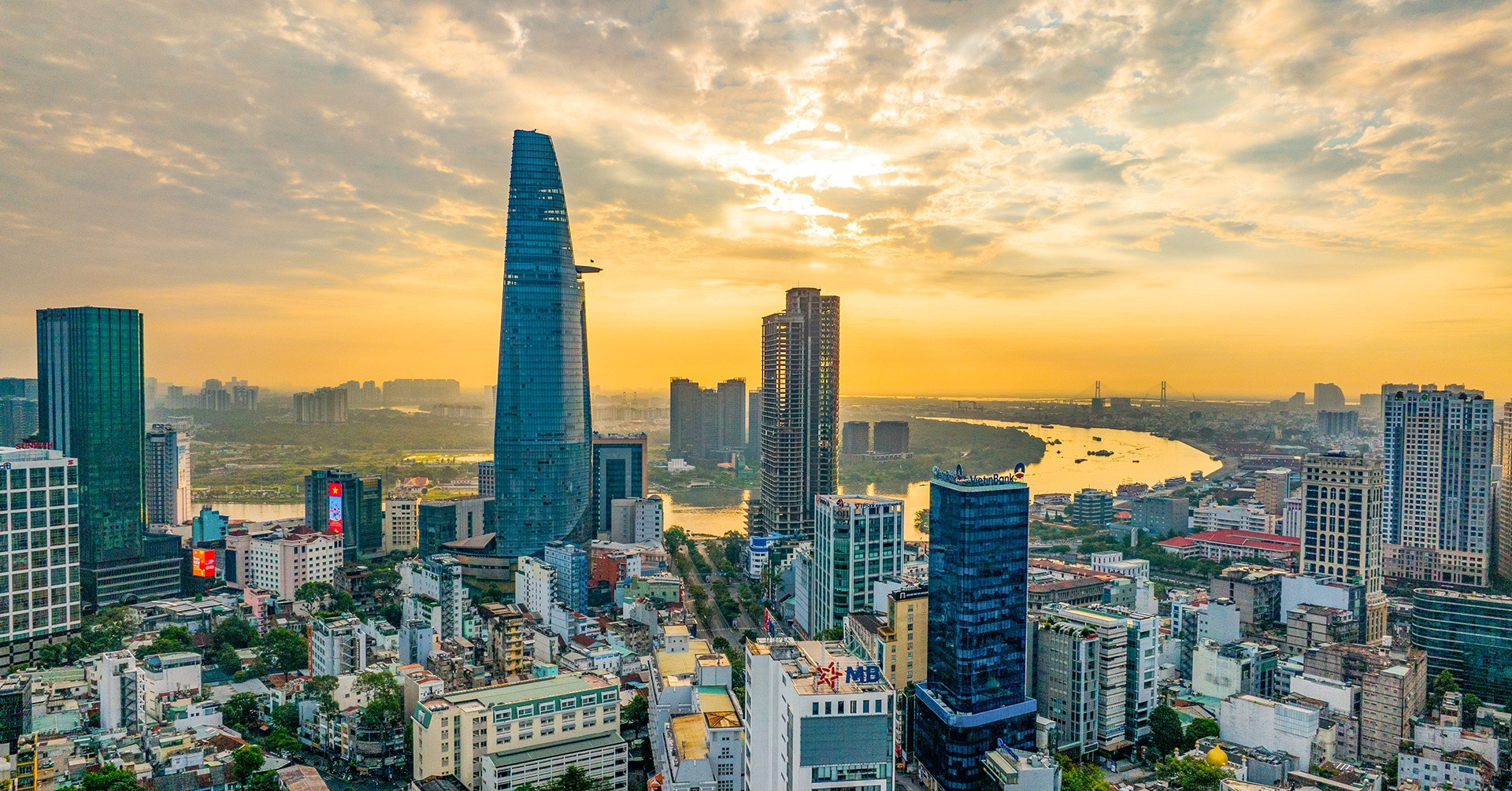
In Q1 2026, Vietnam's GDP grew 7.83% year-over-year -- a notable acceleration from 7.07% in Q1 2025 and the fastest growth rate in Southeast Asia. The result exceeded most analyst forecasts, as both the services and manufacturing sectors outperformed expectations.
Notably, the services sector grew 8.18%, contributing 50.32% of total growth -- a clear sign of Vietnam's structural economic shift from manufacturing toward higher-value services. The post-pandemic tourism rebound was a key driver, with international arrivals up 35% year-over-year.
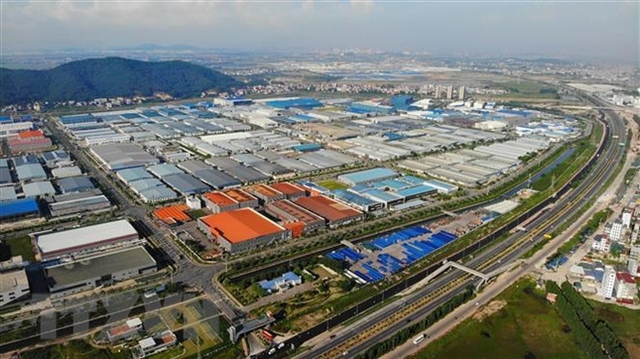
Photo: VietnamNews
Exports and Trade
Exports grew 19.85% and imports rose 24.27% year-over-year, reflecting strong domestic demand and vibrant supply chain activity. Vietnam continues to benefit from the 'China plus one' trend, as multinational corporations shift production from China to Vietnam to reduce geopolitical and tariff risks.
The 20% tariff framework with the US -- while higher than previous preferential rates -- provides stability for businesses. Exports to the US continued to grow strongly despite the new rate, suggesting Vietnamese products remain competitive even at higher tariff levels. Key export categories include electronics, textiles, footwear, and furniture.
-- With exports up 19.85%, a typical 500-worker factory in Binh Duong may have seen export revenue increase by roughly $2-3 million this quarter.
FTSE Emerging Market Upgrade
One of Vietnam's most anticipated events in 2026 is the expected upgrade from FTSE frontier market to emerging market status in September. This reclassification would automatically trigger billions of dollars in passive investment inflows from global index-tracking funds -- a game-changer for Vietnam's stock market.
The 7.83% GDP growth in Q1 further strengthens the case for the upgrade. See our detailed analysis at Vietnam FTSE Emerging Market 2026 and Q1 Manufacturing Exports Surge.

Photo: VIR
Tourism Rebound
Tourism was one of the most notable growth drivers. International arrivals surged 35% year-over-year, supported by liberal visa policies and new international flight routes. Destinations like Da Nang, Phu Quoc, and Ha Long continued to thrive, while emerging destinations like Ninh Binh and Ha Giang also saw significant visitor increases.
Challenges Ahead
Despite impressive growth, Vietnam faces several challenges. The 20% US tariff, while stable, is higher than before and could impact long-term export margins. The US-Iran conflict may push oil prices higher, affecting transport costs and inflation. Additionally, real estate recovery remains slow and banking bad debts need addressing to avoid systemic risk.
-- If oil rises from $98 to $120/barrel due to the Iran conflict, Vietnam's inflation could increase by 0.5-0.8 percentage points, directly affecting 97 million people.
Outlook
With the 7.83% Q1 momentum, Vietnam is on track to meet its 7.2% full-year growth target. Key upcoming catalysts include: the FTSE upgrade in September (potentially unlocking billions in capital), USABC investment commitments (over $20B discussed), and fintech cooperation with Australia. If policy execution is effective and the global environment doesn't deteriorate significantly, 2026 could be Vietnam's most impressive growth year since the pre-COVID era.