Key Takeaways
- -The 2026 heat wave is forecast as "intense and prolonged" by NCHMF, with earlier-than-normal onset.
- -Northern Vietnam gets temporary relief from April 1 cold air, but thunderstorms and lightning expected; heat returns mid-April.
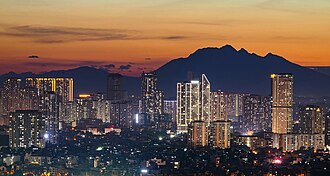
- -Southern Vietnam continues prolonged heat waves into April; HCMC feels 3-5°C hotter from urban heat island effect.
- -El Nino patterns and climate change are the primary drivers; risk of breaking Hanoi's 2023 record of 42°C.
- -Electricity bills projected to rise 25-40% from air conditioning demand; EVN preparing grid management plans.
Regional Temperature Overview
Source: NCHMF, April 2026 forecast data
Regional Breakdown

Photo: Wikimedia Commons
Historical Temperature Comparison
Recent peak temperature records across Vietnam show a clear upward trend. In 2023, Hanoi recorded a historic 42°C. For 2026, NCHMF forecasts peak temperatures could exceed 43°C, potentially breaking previous records.
ZestLab analysis: Each additional 1°C during heat waves increases national electricity consumption by an estimated 3-5%.
Health Impacts and Advisories
Extreme heat poses serious public health threats, especially for vulnerable populations. According to the Ministry of Health, hospital admissions for heatstroke and heat exhaustion rise 30-50% during prolonged heat waves. Outdoor workers — construction laborers, farmers, street vendors — face the highest risk.
Stay indoors 10am-4pm, drink at least 2 liters of water daily, use fans or air conditioning. Call 115 if dizzy or sweating stops.
Take 15-minute shade breaks every hour. Wear wide-brim hats and light, breathable clothing. Supplement with electrolytes.
Never leave children in parked cars. Limit outdoor activity during midday. Ensure frequent water and fruit intake.
Avoid peak sun hours, keep body cool. Stay hydrated and monitor for heat exhaustion signs.
If you work outdoors 8 hours/day, heat exhaustion risk increases 4x when temperatures exceed 39°C.
Agriculture and Electricity Impact
Vietnamese agriculture faces significant pressure during prolonged heat waves. The Summer-Autumn rice crop in the Mekong Delta risks irrigation water shortages as reservoirs drop to low levels. Central Highlands coffee — a major export earner — requires frequent supplemental irrigation, pushing production costs up 20-30%.
Regarding electricity, EVN (Vietnam Electricity) is preparing grid management strategies to meet surging demand. Peak electricity demand could exceed 50,000 MW — a record level. With hydropower output declining due to drought, pressure on thermal power plants and renewable energy sources increases significantly.
A household using 400 kWh/month could see bills rise by 300,000-500,000 VND due to tiered pricing jumps.
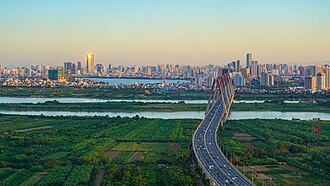
Photo: Wikimedia Commons
Climate Change: The Global Context
Vietnam's 2026 heat wave fits into the broader picture of global climate change. The extended 2024-2026 El Nino has raised sea surface temperatures in the Pacific, directly impacting Southeast Asian weather patterns. According to the World Meteorological Organization (WMO), global average temperatures have risen approximately 0.2°C per decade, and this trend is accelerating.
Southeast Asia is among the regions most heavily impacted by extreme heat. Research from World Weather Attribution shows the 2023-2024 heat waves across Southeast Asia were 30 times more likely due to climate change. The US is also experiencing unusual March heat waves, highlighting this as a global issue.
If this trend continues, Vietnam's heat season could extend 3-4 additional weeks compared to the average 20 years ago.
Outlook: April-June 2026
NCHMF forecasts the 2026 heat season peaking in May-June, with potential temperature records in multiple Northern and Central provinces. Monsoon rains are expected to arrive later than usual, extending dry conditions. Residents should prepare proactively: conserve water, protect health, and budget for higher electricity bills.
The government has directed local authorities to implement heat prevention measures, including setting up public water stations in high-traffic areas, adjusting working hours for outdoor laborers, and strengthening food safety monitoring as high temperatures accelerate food spoilage.
A family of 4 should budget an extra 500,000-800,000 VND/month for electricity and water over the next 3 months.
References
- Can Tho TV — East-West News April 1, 2026
- VietnamNet — Weather forecast: 2026 heat wave
- NCHMF — Weather bulletin April 2026
- World Meteorological Organization — Global Climate Report 2025