March 2026 US Heatwave: 112°F Records, Climate Change Link Confirmed
The US smashed its all-time March heat record at 112°F in California. Scientists confirm the event was virtually impossible without climate change.
Key Takeaways
- Buttercup, California hit 112°F (44°C) on March 22, 2026 — the highest March temperature ever recorded in US history.
- At least 14 states broke their all-time statewide March heat records in a single week.
- World Weather Attribution (WWA) study concluded the event was "virtually impossible" without climate change.
- Mountain snowpack was decimated, threatening summer 2026 water supplies across the western US.
March 2026 Heatwave Records Shattered
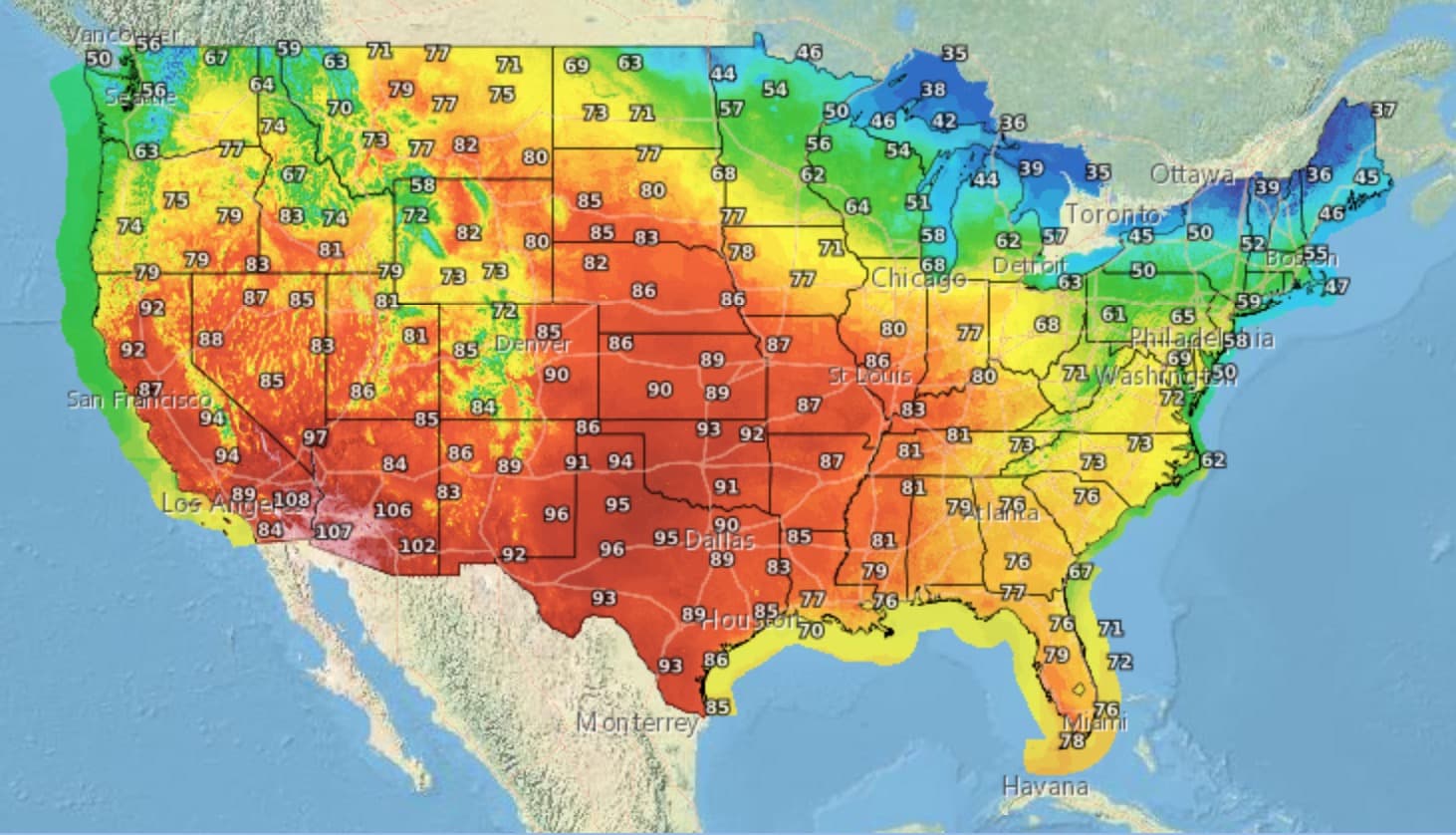
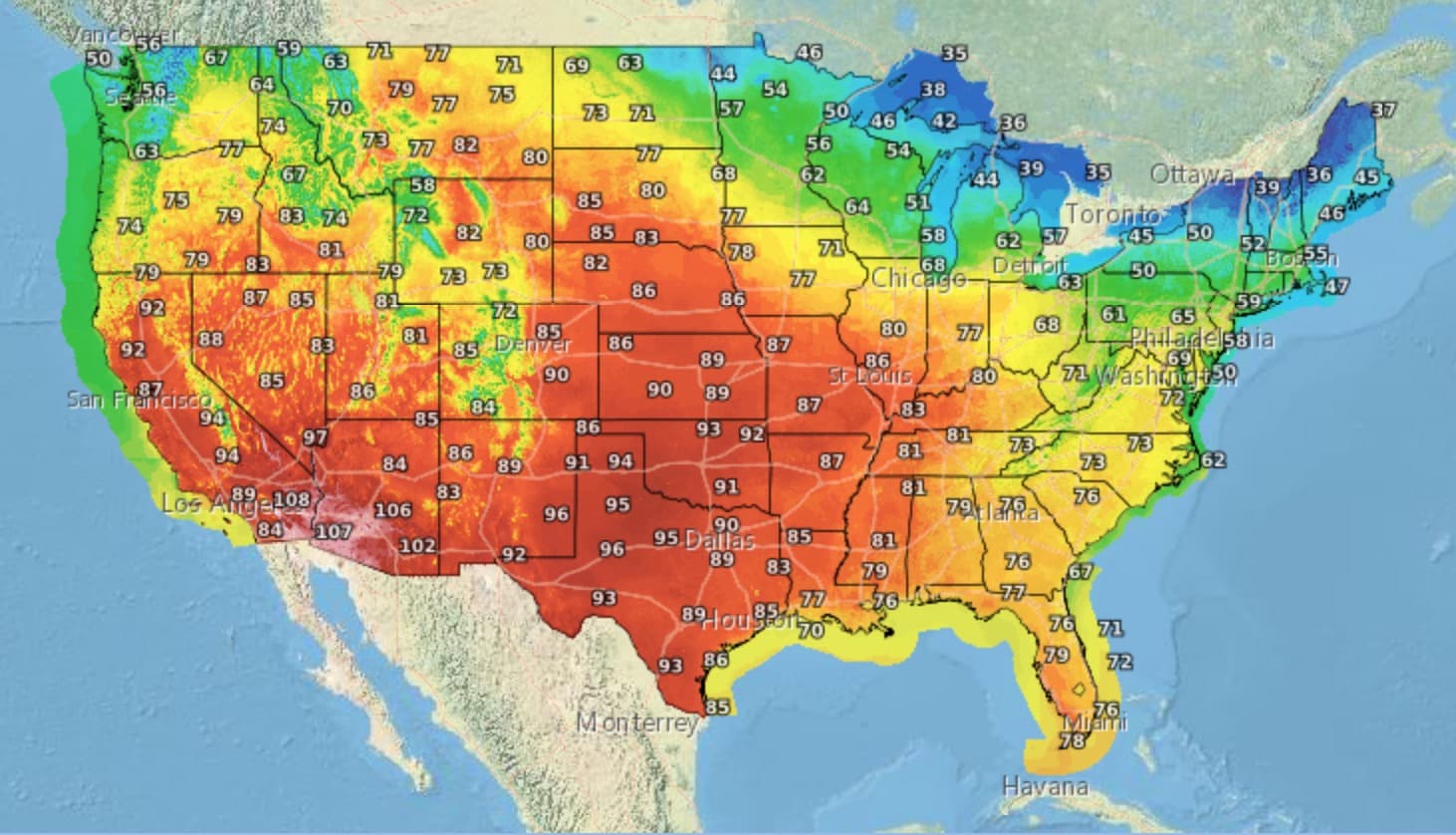
The March 2026 heatwave shattered every record in US observational history. Temperatures surged 20-30°F (11-17°C) above seasonal averages across California, Nevada, and Arizona, driven by the strongest high-pressure system ever observed over the US Southwest in March.
If you live in the western US, your March electricity bill could triple from round-the-clock AC usage — an unexpected expense that previously only happened in summer.
What Is a Heat Dome?
A heat dome forms when a strong area of high pressure acts as a "lid" on the atmosphere, trapping hot air beneath and preventing it from escaping. The compressed air continues warming — like the inside of a car parked in the sun. The March 2026 heat dome was extraordinary for three reasons: (1) it occurred earlier than any comparable event in history, (2) the high-pressure system was the strongest ever recorded over the US Southwest in March, and (3) temperature departures from seasonal averages reached 30°F (17°C), a margin never seen for this time of year.
With heat domes becoming more frequent, anyone living in or traveling to the western US should prepare for extreme heat as early as March, not just summer.
Day-by-Day: March 15-22 Timeline
Unusual Heat Warnings Issued
The National Weather Service issued heat advisories across the entire Southwest as forecasts showed temperatures exceeding 95°F for the week.
Air conditioning systems dormant since last summer were forced online two months earlier than normal.
Arizona Crosses 105°F
Phoenix hit 106°F (41°C), breaking the city's March record. Yuma reached 109°F (43°C), briefly becoming the highest March temperature nationally.
Desert resorts in Scottsdale reported 40% cancellation rates as tourists avoided the unexpected heat.
Colorado, Idaho Hit Hard
All-time March records fell across at least 8 states. Colorado recorded 95°F, a full 28°F above the March average. Snow in the Rockies melted at an extraordinary rate.
Colorado farmers had to irrigate six weeks early, using water reserves meant for summer.
112°F — National Record Falls
Buttercup and Squaw Lake, California hit 112°F (44°C), obliterating the national March record of 108°F set at Rio Grande City, Texas in 1954. It was the hottest March day at any US location in recorded history.
California electricity prices spiked 180% above the March average due to extreme AC demand — roughly an extra $80/month for an average household.
State-by-State Impact
For the Vietnamese community in California and Arizona, this abnormal heat directly impacts living costs and health, especially for elderly residents.
Science Attribution: "Virtually Impossible"
The World Weather Attribution rapid study concluded the March 2026 western US heatwave was "virtually impossible" without human-caused climate change. Even in today's climate, which is 1.3°C warmer than pre-industrial levels, this event has a return period of roughly 500 years — meaning a 0.2% chance of occurring in any given year.
ZestLab Analysis
To put the 500-year figure in context: the previous record of 108°F stood for 72 years (since 1954). The new record didn't just break it — it exceeded it by 4°F (2.2°C), a massive margin in temperature statistics where records are typically broken by tenths of a degree. If global warming continues at the current rate (+0.2°C per decade), this 500-year return period could shrink to 50-100 years by mid-century.
This means future generations will experience such heatwaves far more frequently — extreme March heat will no longer be an anomaly.
Cascading Impacts
Water Supply
Mountain snowpack — the primary water source for 40 million westerners — melted three times faster than normal. Reservoirs could face shortfalls by mid-summer 2026.
Wildfire Risk
Vegetation dried out two months early, combined with Santa Ana winds, setting the stage for California's earliest-ever wildfire season start.
Power Grid
CAISO issued a Flex Alert — asking Californians to conserve electricity — for the first time ever in March.
Agriculture
Crops bloomed early due to high temperatures, but the risk of a late April frost could devastate the entire fruit crop season.
Produce prices from California (which grows over 50% of US fruits and vegetables) could rise 15-25% in coming months, indirectly affecting global food prices.
Climate Context: A 1.3°C Warmer World
Global average temperatures have now risen 1.3°C above pre-industrial levels. This number sounds small, but it represents an enormous amount of additional energy in the climate system. The March 2026 heatwave illustrates how a 1.3°C average increase translates into extreme events with far larger margins — temperatures in the US Southwest exceeded seasonal averages by up to 30°F (17°C), not just 1.3°C.
Weather records in the US Southwest span over 120 years, and never has the region experienced temperature departures this extreme for March. According to climate scientists, this signals the climate system is shifting toward a state that earlier models projected only for late-century scenarios.
Vietnam, a tropical nation, is among the most climate-vulnerable countries — record US heatwaves serve as a warning signal for all of Southeast Asia.
Outlook: What Does Summer 2026 Hold?
If March already shattered records by such extreme margins, meteorologists warn that summer 2026 could be exceptionally harsh. The early snowmelt will create severe shortfalls by July-August, when water demand peaks. Combined with a weakening La Nina forecast, the western US faces prolonged drought risk and a devastating wildfire season.
Scientists from Climate Central note this trend isn't limited to the US. The global climate system is warming in sync, and similar extreme events have been recorded in Europe, India, and Southeast Asia during the same period.
Vietnamese agricultural exporters to the US should monitor the California drought closely — rising US produce prices could create competitive opportunities for Vietnamese goods.
References
- Scientific American — Extreme U.S. Heat Wave Smashes All-Time Hottest March Temperature Record
- CNN Weather — US heat record March climate (March 20, 2026)
- World Weather Attribution — Record-shattering March temperatures virtually impossible without climate change
- Yale Climate Connections — March heat wave crests as records melt from Arizona to Minnesota (March 2026)
- Climate Central — Climate Shift Index Alert: March record-breaking western heatwave
- Euronews — Record US heat dome made possible by climate change (March 20, 2026)
Frequently Asked Questions
More from this topic— EU Climate & Clean Energy 2026: Laws, Records & COP31
Related Topics
Stay on top of trends
Bookmark this page and check back often for the latest updates and insights.