WHO "Stand With Science" 2026: Why Global Health Depends on Defending Evidence
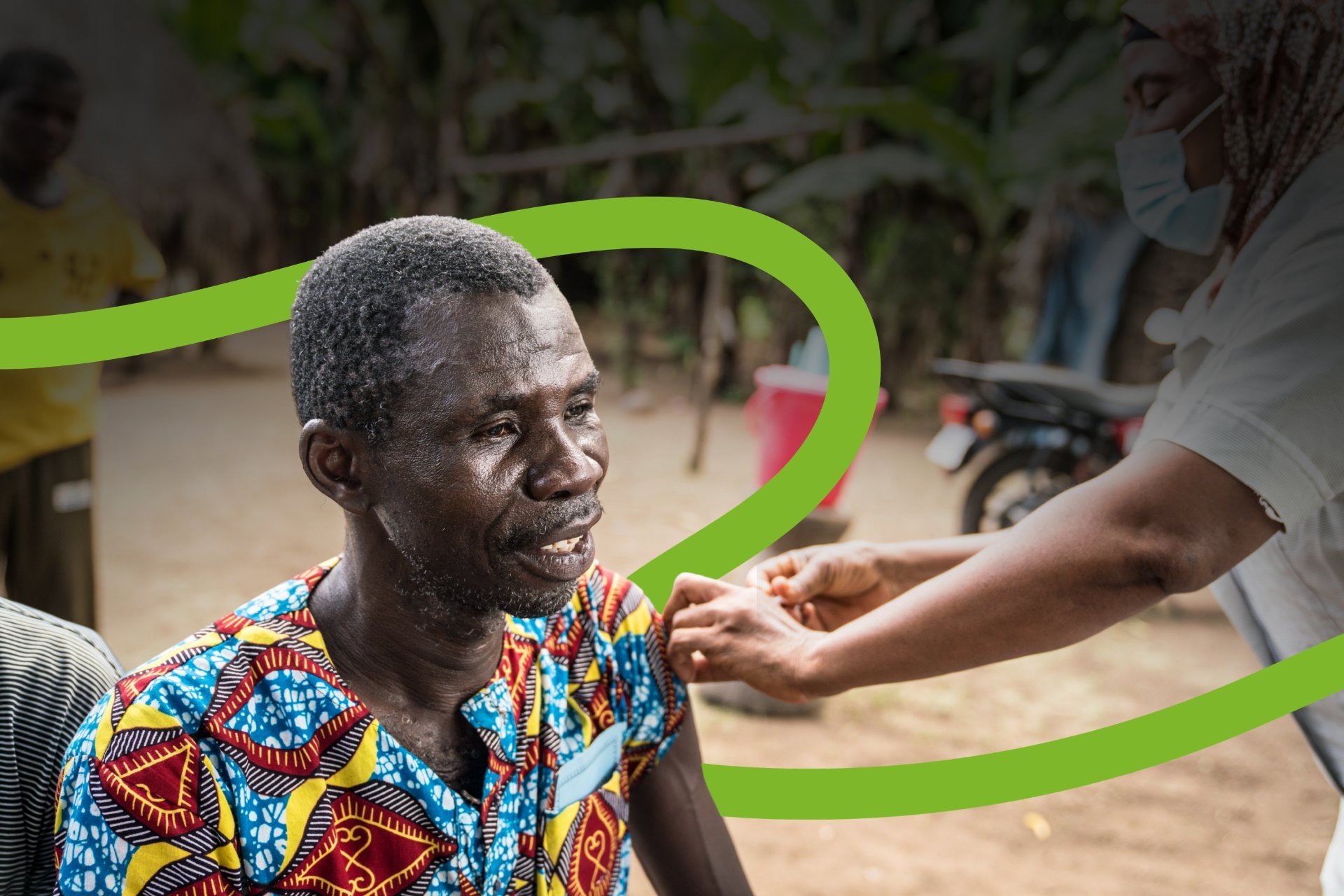
On April 7, 2026, the World Health Organization launched a year-long global campaign placing the defense of scientific evidence on equal footing with vaccination and clean water. The message is blunt: science skepticism has become a public health threat.
Published: April 7, 2026
Key Takeaways
- The official World Health Day 2026 theme: Together for Health. Stand with Science.
- The campaign runs a full year from April 7, 2026 to April 7, 2027, with more than 80 participating countries.
- Two anchor events: the One Health Summit in Lyon (April 5-7) and the WHO Collaborating Centres Forum (April 7-9).
- France, in its G7 presidency, is providing diplomatic backing for the campaign.
- Four priority fronts: anti-vaccine movements, climate-health denial, AIDS denialism, and clinical trial skepticism.
1. The April 7 Message: Why Now?
WHO Director-General Tedros Adhanom Ghebreyesus opened the 76th World Health Day with a statement rarely heard from a multilateral body: science is under siege, and public health cannot stay quiet about it. Instead of choosing a single disease as in past years, WHO is defending the scientific method itself.
The evidence for the decision is in the epidemiology. Measles has returned to countries that had declared elimination. Pertussis is surging across Europe. Polio refusals are climbing in Western cities. WHO calls this an avoidable regression, and is pouring communication resources into saying plainly that these deaths are not caused by viruses alone but by misplaced belief.
→ If you are a parent, checking your child's vaccination schedule this week is the most direct way to respond to the campaign.
2. Timeline: How Science Came Under Attack
→ Each of these milestones carried a real human cost, not merely an academic dispute.
3. One Health and G7 Backing from France
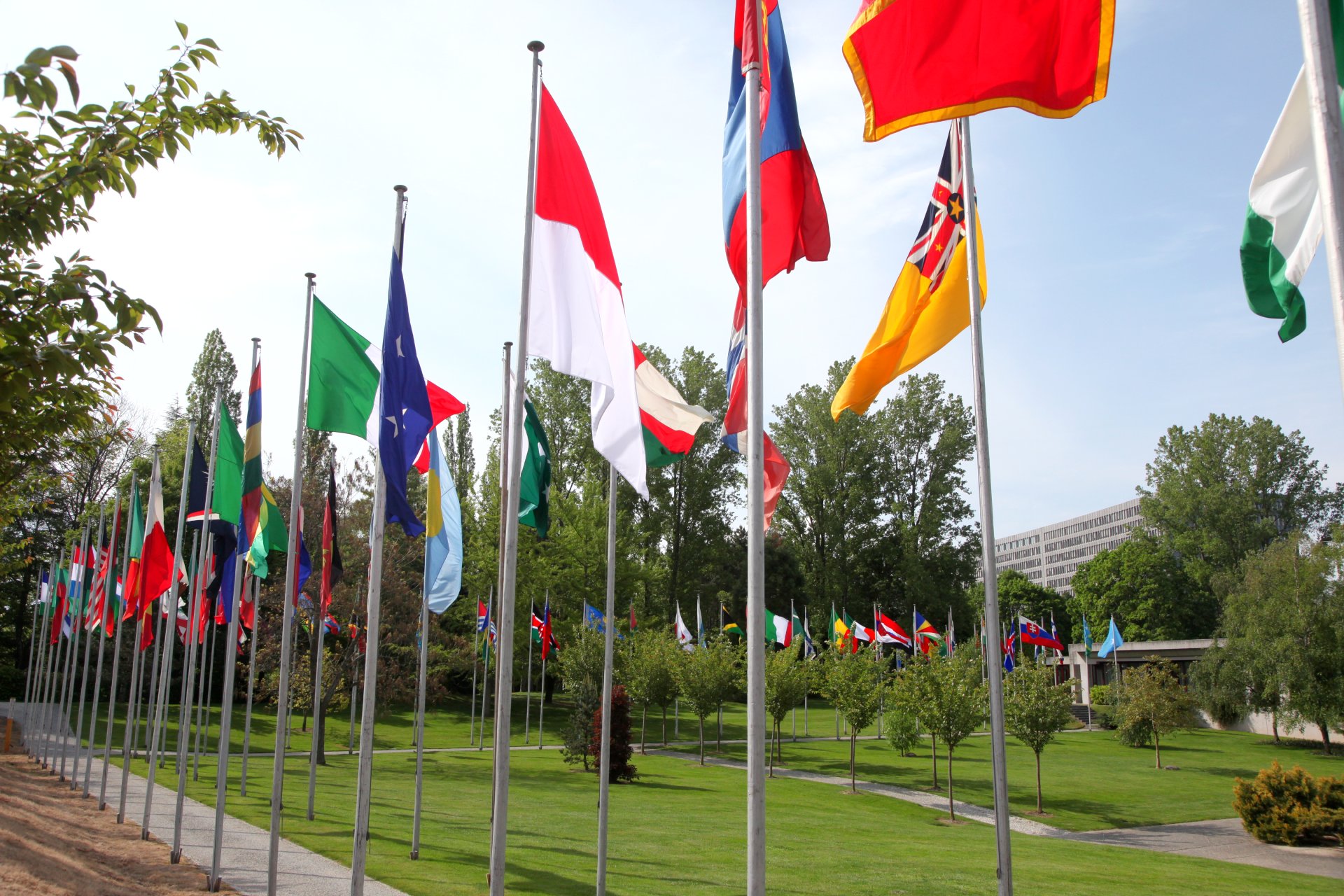
The One Health Summit in Lyon on April 5-7, 2026 is the campaign's first anchor event. One Health treats human, animal and environmental health as one integrated system, an approach grounded entirely in cross-disciplinary data and surveillance. As G7 president, France is using the Lyon summit to press for binding commitments on zoonoses, antimicrobial resistance, and pandemic readiness.
That is why our coverage of the One Health Summit Lyon G7 2026 and the broader World Health Day 2026 should be read together to see the full picture.
4. The Numbers Science Has Saved
→ When a health number goes viral, trace it back to the source. That single step is science in practice.
5. How Misinformation Actually Spreads
Research by WHO and academic partners points to a repeating pattern: a shocking claim starts in a small group, is amplified by algorithms that reward watch time, then gets legitimized by a celebrity, and finally is picked up by politicians to oppose a health policy. Scientific rebuttals arrive late and are less entertaining, so they rarely catch up.
The campaign does not call for censorship. Instead, WHO recommends prebunking, explaining common distortion tactics to the public in advance so that when they appear online, readers already have a mental inoculation.
6. Vietnam and Southeast Asia in the Science Picture
Vietnam consistently ranks among the countries with the highest trust in health workers and immunization programs in the region. Routine childhood vaccination coverage has held above 90% for years, and HPV and measles-rubella campaigns have reached mountainous provinces successfully. This is an advantage worth protecting as social media deepens its reach.
Still, vaccine rumors and miracle-cure supplements spread fast on Vietnamese-language Facebook and TikTok. The Ministry of Health has begun working with platforms to take down false content, but the process remains slow compared with the speed of diffusion.
7. Five Concrete Actions to Stand With Science
- Check and update your own vaccination schedule and your family's.
- Before sharing a shocking health post, pause for 30 seconds and trace the source.
- Ask your elected representatives to fund public research and laboratories.
- Thank frontline health workers, even with a brief message.
- Use the #StandWithScience hashtag to amplify credible voices.
→ These five actions cost nothing. They total less than an hour, but repeated widely they are enough to shift the trust curve.
References
- WHO — World Health Day 2026 Campaign — 2026-04-07
- WHO — Stand With Science Press Release — 2026-04-06
- WHO India — World Health Day 2026 — 2026-04-07
- Reuters — Global health coverage — 2026-04-07
Frequently Asked Questions
Related Topics
Stay on top of trends
Bookmark this page and check back often for the latest updates and insights.