Portugal's 80.7% Renewable Record
A Blueprint for Europe's Clean Energy Future
Portugal generated 80.7% of electricity from renewables in January 2026, laying the foundation for a cleaner Europe and a world no longer dependent on fossil fuels.
What Stands Behind This Historic Number?
According to the Portuguese Renewable Energy Association (APREN), January 2026 recorded 80.7% of electricity from renewables — a combination of abundant hydropower, strong Atlantic winds, and an expanding solar network. This is not luck: it is the result of two decades of strategic investment.[1]
Large reservoir and dam systems leveraging Portugal's hilly tếrrain.
Onshore and offshore wind turbines along the Atlantic coastline.
Solar panels capitalizing on over 2,500 sunshine hours per year in the south.
Biomass from forestry and organic waste supplementing the grid.
Clean Energy Is Winning Globally
In 2025, clean energy accounted for over 90% of all new US power capacity additions — a trend continuing into 2026. The EU is on track to meet its 42.5% renewable energy target for 2030 ahead of schedule. These figures reflect an irreversible economic shift: renewables are now cheaper than fossil fuels across most markets.[2]
Photo: Bloomberg — Offshore wind turbine — the future of marine wind power
From 40% to 80%+: Two Decades of Transformation
Portugal did not reach 80.7% overnight. The country built its foundation step by step, from historic hydropower to modern wind energy and a booming solar sector.
First Renewable Foundation
Portugal reached 40% renewable energy, becoming one of the EU pioneers.
107 Hours on Renewables Only
For the first time, Portugal ran the entire national grid on renewables only for 107 consecutive hours.
Surpassing 50%
Renewable electricity share exceeded 50%, driving major investment in offshore wind.
Carbon Neutrality Target 2045
Government committed to carbon neutrality before 2045 — five years ahead of the EU target.
80.7% Record
January 2026: Portugal generated 80.7% of electricity from renewables — the best record in 9 months, per the Portuguese Renewable Energy Association.
Other Positive Environmental Stories of 2026
Alongside Portugal's milestone, 2026 has seen remarkable environmental innovations — from flying electric ferries to carbon-sucking fungi and the fight against forever chemicals.
Flying Electric Ferries
Foiling electric ferries that lift above water reduce energy consumption by 80% compared to conventional vessels and are being deployed in coastal cities.
Carbon-Sucking Fungi
Researchers discovered mycorrhizal fungi capable of absorbing carbon dioxide from the atmosphere and storing it in the soil for centuries.
Forever Chemical Crackdowns
The EU issued unprecedented restrictions on PFAS — forever chemicals found in many consumer products — protecting water supplies and public health.
COP31, $1.3 Trillion, and the 2030 Targets
COP31 in Antalya, Turkey in November 2026 will advance the global $1.3 trillion climate finance goal for developing nations. Portugal's success provides real-world evidence that energy transition is feasible, encouraging bolder commitments from developing countries seeking to chart a clean energy path.[3]
Global climate conference in Turkey — advancing the $1.3 trillion finance goal.
Annual global financing target for developing nations transitioning to clean energy.
The EU is on track to hit its 42.5% renewables target for 2030 — ahead of schedule.
Portugal committed to full carbon neutrality by 2045 — five years ahead of the EU target.
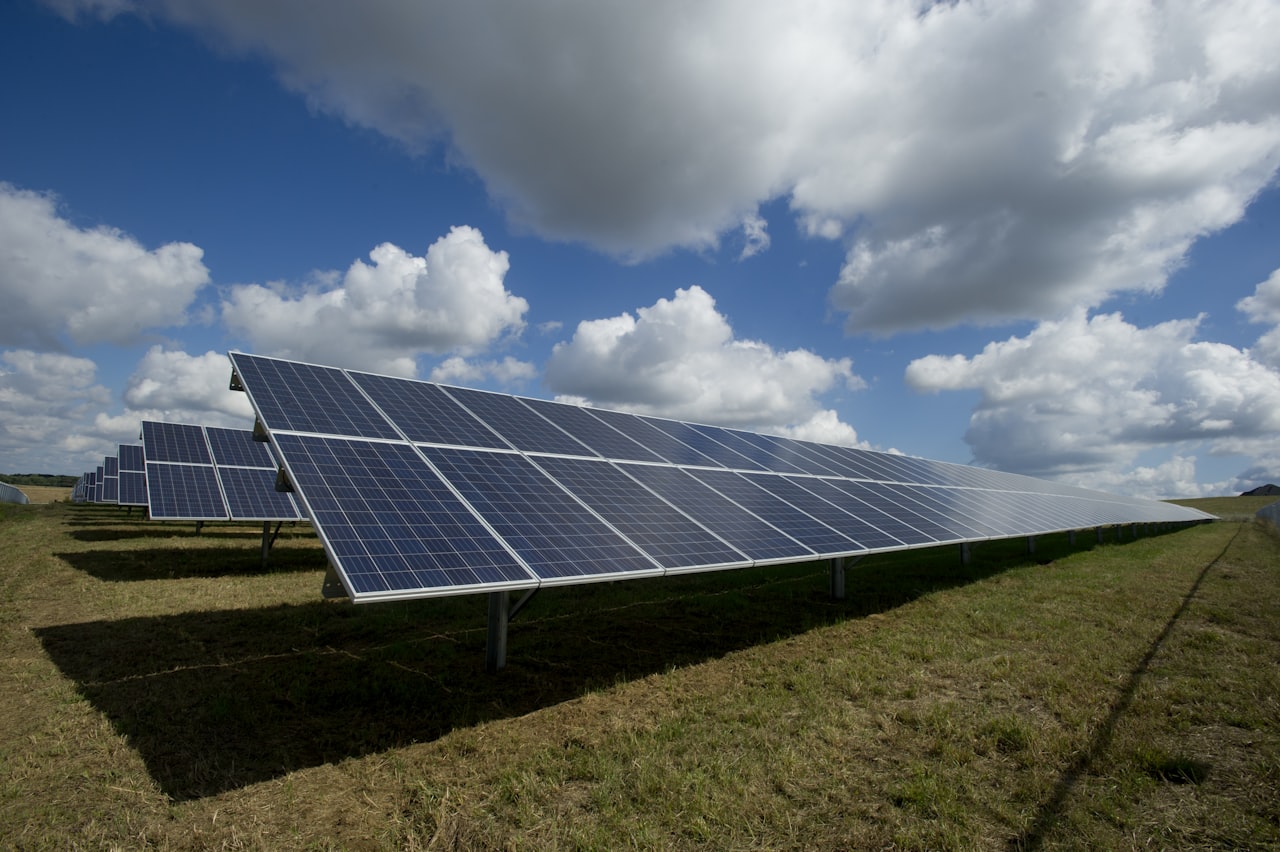
Photo: Yale Climate Connections — Solar panels — the symbol of the global clean energy transition
Frequently Asked Questions
Read more: EU renewable energy milestone 2026 and sea level rise 2026.
▸ Portugal ran on 100% renewable energy for 10 consecutive days — if Vietnam achieved the same, millions of households would see significant electricity bill reductions.
▸ Solar energy costs in Portugal dropped 89% over the past decade — a similar trend is happening in Vietnam with rooftop solar projects.