For the First Time Ever:
Wind & Solar Beat Fossil Fuels
In 2025, wind and solar combined generated 30% of EU electricity — for the first time surpassing fossil fuels at just 29%. The clean energy revolution has arrived.
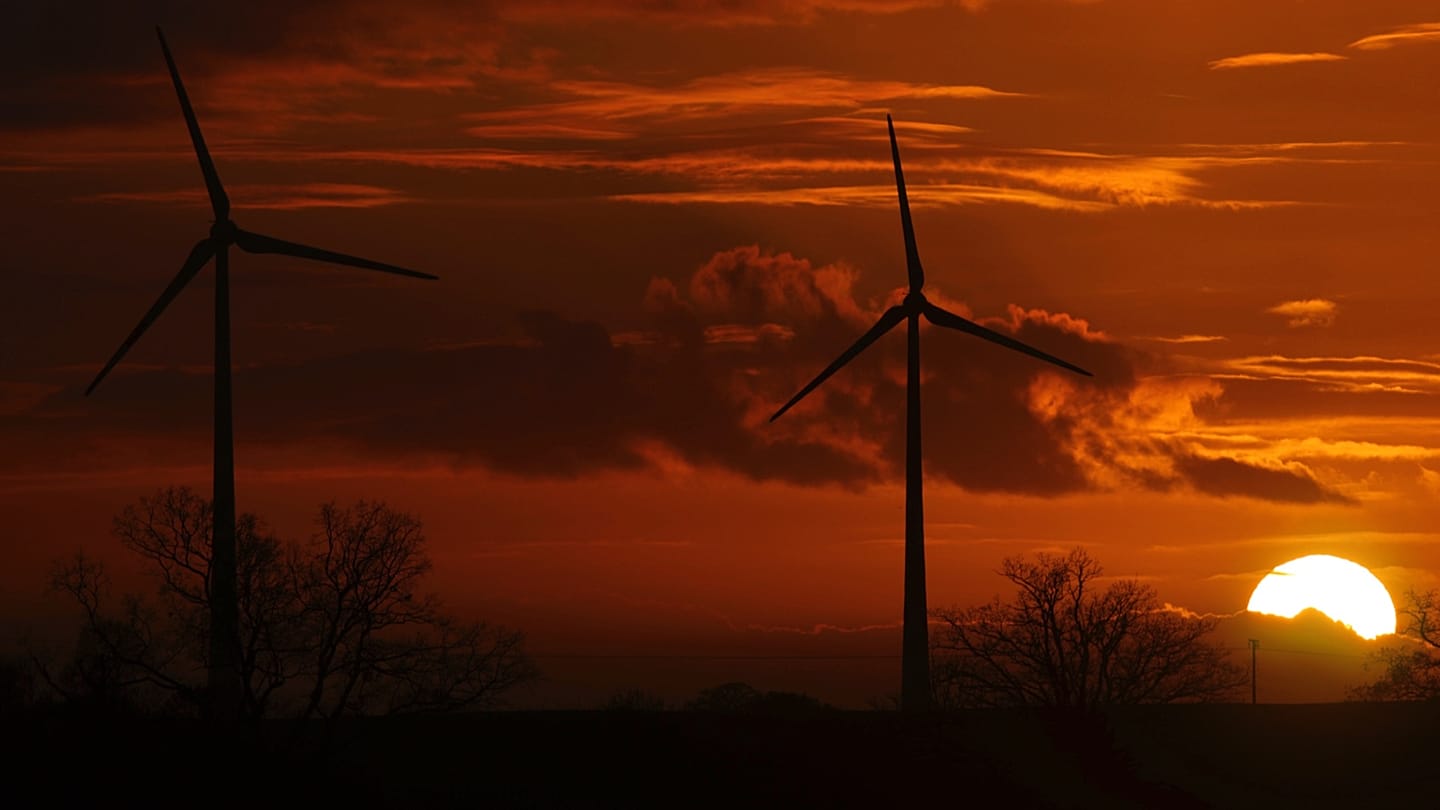
Photo: Reuters — EU Renewable Energy Milestone 2025 — wind and solar beating fossil fuels
The Historic Moment — 2025
Throughout human history, fossil fuels — coal, oil, natural gas — have dominated global energy systems. But 2025 marked an unprecedented turning point: for the first time in EU history, electricity from wind and solar combined (30%) surpassed electricity from fossil fuels (29%). Alongside the climate change impact on our planet and international accords like the High Seas Treaty, this is not just a statistic — it is a civilization-defining moment.
EU Energy Mix Dashboard 2025
For the first time in EU history, the electricity mix chart shows renewables holding the majority. Here is the full breakdown.
The Solar Revolution
June 2025 made history: for the first time ever in the EU, solar power (22%) became the bloc's single largest electricity source — surpassing even nuclear power (21.6%). This was unimaginable just a decade ago when solar panels were expensive and rare.
Wind Power Story
Wind power has become the backbone of the EU grid. With an 18% electricity share in 2025 — a new record — wind surpasses all other single sources except nuclear and solar. Offshore wind in particular is booming, with massive wind farms in the North Sea driving extraordinary growth.
Country Spotlights
Not all EU countries are equal in the renewable race. Some nations are leading the way with impressive renewable energy shares.
Germany's Energiewende (energy transition) is one of the most ambitious energy experiments in history. After shutting down all nuclear plants in 2023, Germany poured hundreds of billions of euros into wind and solar. Result: in 2024, renewables accounted for 62% of Germany's electricity — a historic milestone. In 2025, this figure continued rising, proving Europe's largest economy can operate without fossil fuels.
The Grid Challenge: €584 Billion
The historic milestone has been achieved — but the hardest work still lies ahead. The EU grid was built for a fossil fuel world: centralized, predictable, and flowing in one direction. Renewables are decentralized, unpredictable (dependent on wind and sun), and need to flow in multiple directions. To handle 45% renewables by 2030, the EU needs €584 billion in grid upgrades.
Cross-border interconnection
EU national grids need better connections to share surplus electricity from sunny/windy regions to deficit areas.
Large-scale storage
Grid-scale batteries, pumped hydro, and green hydrogen are key to storing electricity from surplus to scarcity.
Smart grid technology
AI and IoT help predict demand, balance loads, and optimize electricity distribution in real time.
Many approved solar and wind projects face 10–15 year waits for grid connection. Without solving this bottleneck, the 45% renewables target for 2030 cannot be achieved.
The Cost Collapse — 10 Years of Miracles
The deepest reason behind the 2025 milestone is not political will or support policies — it is the collapse of economics. Solar costs dropped 89% in the past 10 years; wind turbine costs fell 65%. Renewables today are not just good for the environment — they are the cheapest electricity source in most of the world.
Road to 2030 — REPowerEU
The EU targets 45% renewables by 2030 under the EU Green Deal and REPowerEU — a plan accelerated after the Russia-Ukraine war forced the EU to reduce dependence on Russian gas. With 30% already achieved in 2025, the 45% target is more achievable than ever.
Russia's 2022 invasion of Ukraine was the biggest shock to EU energy security. Europe previously imported 40% of its gas from Russia. Since then, the EU has accelerated the renewable transition as a national security imperative — not just a climate issue.
Vietnam & Asia: The Clean Energy Race
The EU milestone is not just a European story. The whole world, especially Asia and Southeast Asia, is watching and learning. Vietnam — one of the world's fastest solar deployers — is the most prominent example in the region.
From nearly 0% in 2018, Vietnam became one of Southeast Asia's largest solar markets in just a few years. By 2025, solar accounts for over 25% of Vietnam's electricity during the dry season — an impressive feat for a developing nation.
▸ EU wind power costs have dropped 60% over the past decade -- the average European household saves roughly 200-400 EUR/year on electricity bills.
▸ If Vietnam achieves a similar renewable energy transition pace as the EU, industrial electricity prices could drop 15-20% by 2035.
References
- Ember -- European Electricity Review 2025
- Eurostat -- Energy Statistics: Renewable Sources
- European Commission -- Renewable Energy Progress Report, 2025
- IEA -- Renewables 2025: Analysis and Forecast
- IRENA -- Renewable Power Generation Costs in 2025
Frequently Asked Questions
From 30% Milestone to a 100% Future
2025 is not the endpoint — it is the starting line. With renewables surpassing fossil fuels for the first time, momentum will only accelerate. The 45% target by 2030 and eventually 100% clean energy is no longer a dream — it is a roadmap being executed.
Illustrative imagery. Photo: ZestLab Archive
More from this topic— EU Climate & Clean Energy 2026: Laws, Records & COP31
Related Topics
Stay on top of trends
Bookmark this page and check back often for the latest updates and insights.