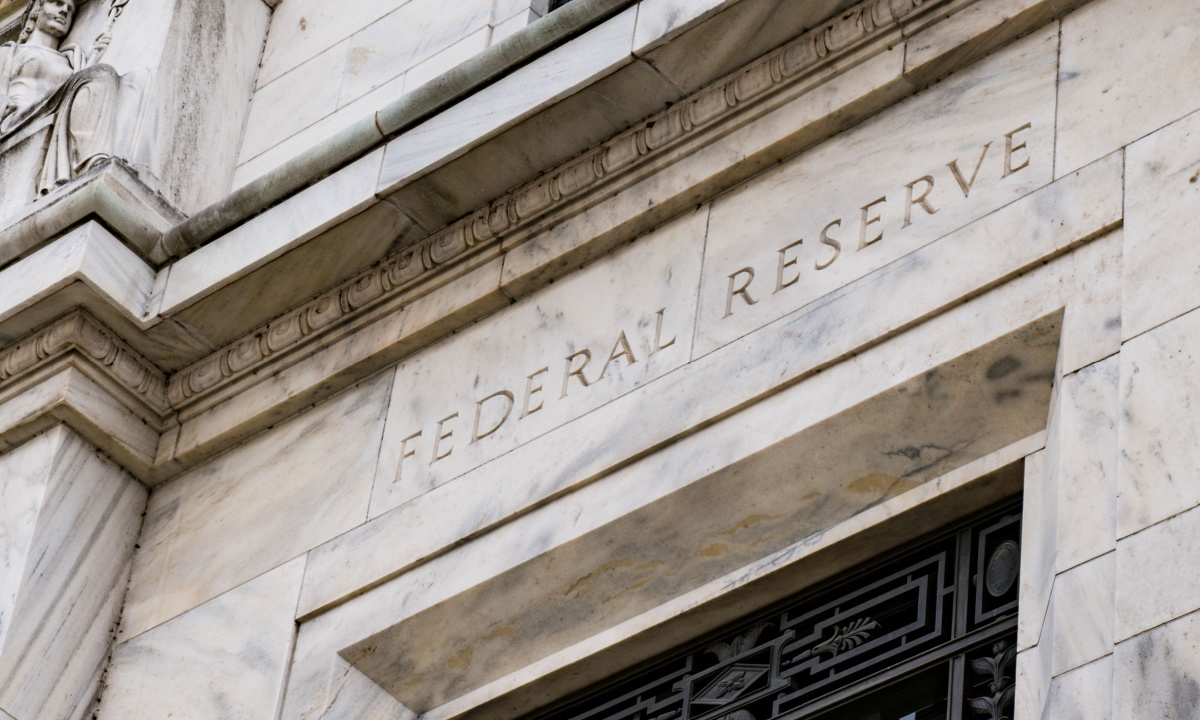
Beige Book April 2026: America Has Two Economies
Fed reveals divided US economy. Tariffs mentioned 107 times. Rising food bank demand. Consumer confidence gap.
Published: April 18, 2026
Photo: PYMNTS.com
Numbers That Tell the Story
Two Economies in One Nation
The Federal Reserve's April 2026 Beige Book paints a troubling portrait: America is operating two parallel economies. A 15-point confidence gap between households earning above $150,000 and those below $50,000 reveals the deepest bifurcation since the 2008 crisis.
Higher-income households continue robust spending on travel, dining, and luxury goods. Meanwhile, lower-income Americans are struggling: credit card delinquencies are rising, food bank demand is growing across multiple districts, and essential spending is being curtailed.
PYMNTS.com described the situation as "America has 2 economies right now," with affluent and lower-income Americans living in completely different economic realities.
The Tariff Shadow: 107 Mentions

Photo: FedCommunities.org
"Tariffs" appeared 107 times in the April Beige Book, the highest count since the US-China trade war began. Businesses across all 12 districts reported that tariffs are directly affecting investment, hiring, and pricing decisions.
District-by-District Overview
8 of 12 Fed districts reported slight to modest growth, but the remaining 4 were nearly stagnant or declining. Energy and fuel costs rose across all 12 districts without exception, driven by Brent crude exceeding $100 per barrel.

Photo: FedCommunities.org
-> Small businesses are bearing the heaviest burden: NFIB Optimism fell to 95.8, below the 98-point historical average.
Consumer Stress Signals
The report documented numerous financial stress signals among lower and middle-income households. Credit card delinquency rates rose across multiple districts, particularly in New York, Cleveland, and Atlanta. Food bank demand increased notably, a sign that food inflation is directly pressuring daily meals.
Meanwhile, higher-income households continued spending freely. Luxury goods sales, premium travel, and fine dining all posted continued growth. This divergence creates a major dilemma for the Fed: raising rates to curb inflation would further burden lower-income households; maintaining current rates allows inflation to continue eroding purchasing power.
-> If earning under $50,000/year, rising food and energy costs could consume an additional 8-12% of your monthly budget.
Energy Costs: Up in Every District
For the first time in multiple Beige Book cycles, energy and fuel costs rose uniformly across all 12 Fed districts. Brent crude surpassing $100/barrel due to the Iran conflict created a domino effect: gasoline prices rose, transportation costs increased, and consumer goods prices were pushed higher.
Manufacturing and transportation businesses were hit hardest. Many small businesses reported inability to fully pass energy cost increases to customers, forcing them to absorb margin compression or delay hiring plans.
Related Coverage
Key Takeaways
8/12 Fed districts reported slight-to-modest growth; 4 were stagnant or declining.
"Tariffs" mentioned 107 times, "uncertainty" 89 times -- both Beige Book records.
15-point confidence gap between households earning over $150K vs. under $50K.
Rising food bank demand and credit card delinquencies across multiple districts.
Energy costs rose across all 12 districts uniformly as Brent crude topped $100.
NFIB Small Business Optimism fell to 95.8, below the 98-point historical average.