US-Iran War Day 30: Diplomacy Push as Hormuz Crisis Peaks
Published: March 30, 2026
Day 30 of the US-Israel war on Iran: Pakistan-brokered talks begin as Hormuz blockade drives Brent crude 50% higher and 3,500 US Marines deploy.
Key Takeaways
- •Iran's selective Strait of Hormuz blockade cuts 20 million barrels/day from global oil supply
- •Brent crude up over 50% since conflict began five weeks ago; IEA calls it the biggest oil shock in history
- •Multilateral diplomacy underway in Islamabad with Pakistan, Turkey, Egypt, Saudi Arabia
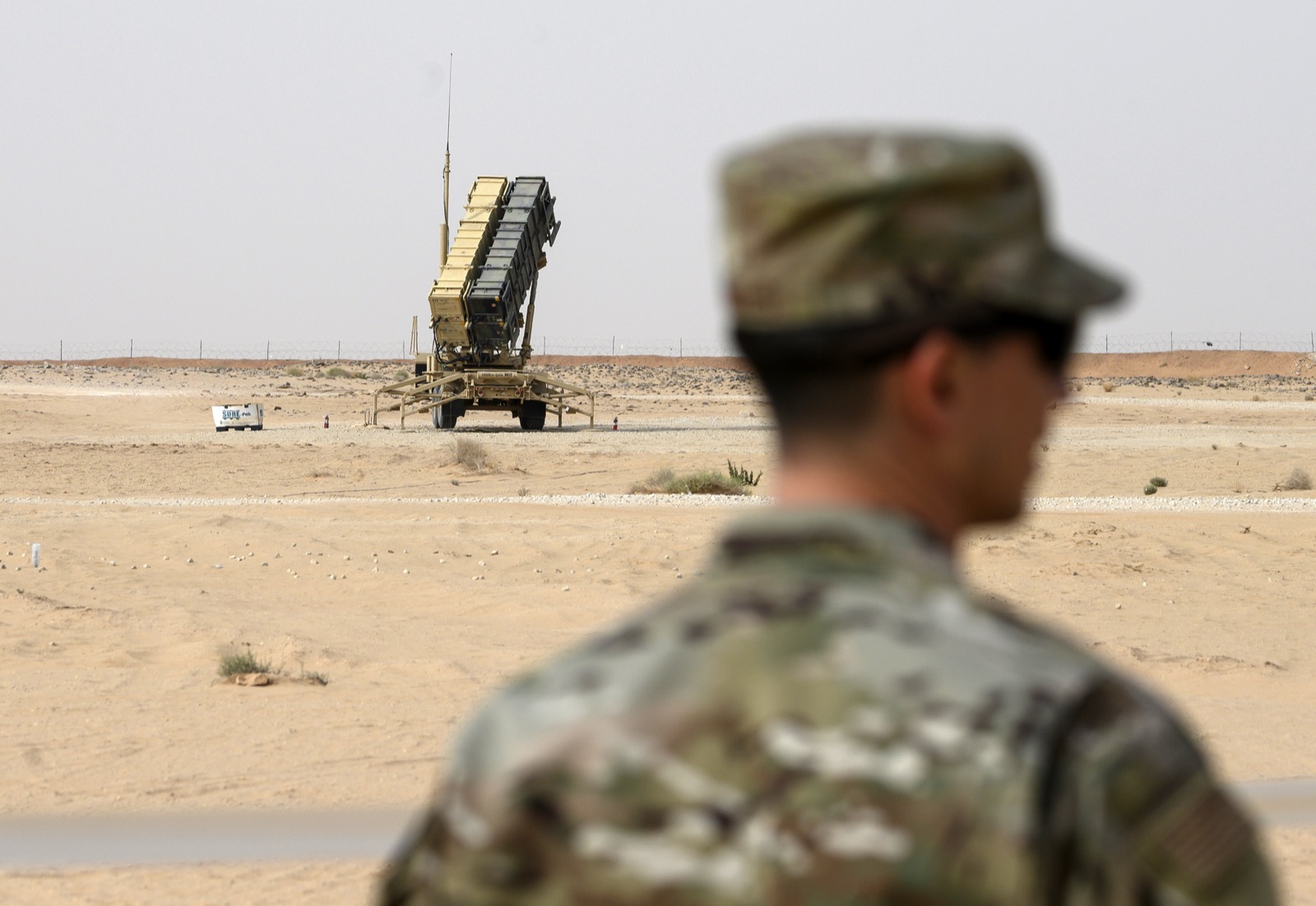
- •Pentagon deploys additional 3,500 Marines, preparing possible ground operations
- •Anti-war protests across 50 US states while Iran considers withdrawing from NPT
Day 30: Situation Overview
The US-Iran war entered Day 30 on March 29, 2026, with all indicators pointing to simultaneous military escalation and diplomatic efforts. US-Israeli airstrikes continue to target Iranian military and nuclear infrastructure, while Tehran maintains a selective blockade of the Strait of Hormuz, the world's most critical oil shipping lane. President Trump has stated that Iran agreed to most of a 15-point US demand list, though Iranian officials deny this characterization.
On the regional front, Saudi Arabia intercepted 10 Iranian-made drones, the UAE reported air defense operations, and Houthi forces in Yemen fired their first ballistic missiles at Israel since the war began. In Tehran, two explosions killed two people, and an airstrike on Popular Mobilization Forces (PMF) headquarters in Iraq raised concerns about the conflict widening across the entire region.
Impact: With Vietnam importing a significant share of crude oil via Middle Eastern sea routes, every additional day of conflict means continued rises in transportation and fuel costs.
Hormuz Blockade & Oil Shock Data
The International Energy Agency (IEA) has officially classified the Strait of Hormuz blockade as the biggest oil shock in history. Approximately 20 million barrels of oil per day, equivalent to 20% of global petroleum consumption, have been cut from the market. Brent crude has surged over 50% since hostilities began five weeks ago, triggering a domino effect across the entire global energy supply chain.
Oil Price Impact Meter

Photo: Al Jazeera
Impact: A Vietnamese family riding a motorbike an average of 100km/week would spend approximately 73,000 VND more per month on gasoline compared to pre-conflict levels, based on RON 95 price increases from 22,500 to 29,800 VND/liter.
Diplomacy Track: Islamabad Talks
Foreign ministers from Pakistan, Turkey, Egypt, and Saudi Arabia are meeting in Islamabad in a multilateral peace mediation effort. This represents the most significant diplomatic initiative since the conflict began, with Pakistan serving as a neutral host due to its relatively balanced relationships with both Iran and Arab states.
President Trump claims Iran has agreed to most of a 15-point US demand list, though Tehran has denied this and argues the US is applying media pressure. The contradictory statements reveal a significant gap between the two sides that remains unbridged. Meanwhile, Iran is discussing the potential withdrawal from the Nuclear Non-Proliferation Treaty (NPT), a move that would fundamentally alter the regional diplomatic landscape.
| Country | Role | Position |
|---|---|---|
| Pakistan | Mediation host | Neutral, maintains ties with both Iran and Arab states |
| Turkey | NATO intermediary | NATO member but opposes escalation |
| Egypt | Arab representative | Supports regional stability, concerned about oil prices |
| Saudi Arabia | US ally | Attacked by Iranian drones, seeking ceasefire |
Impact: If the Islamabad talks fail, oil prices could continue climbing, forcing Vietnam to contend with even higher import inflation and manufacturing costs.
Military Escalation Timeline: Days 1-30
US-Israel launch coordinated strikes on Iran
Over 100 targets hit in Tehran, Isfahan, and Bushehr. Iran declares state of emergency.
Iran begins partial Strait of Hormuz blockade
Naval mines deployed. Brent crude jumps 12% in a single session.
Houthi forces attack Red Sea shipping
Three tankers struck. Lloyd's raises war-risk premiums across the Gulf.
Saudi Arabia intercepts drones over Riyadh
10 Iranian-made drones downed. Saudi calls emergency Arab League session.
IEA declares biggest oil shock in history
Hormuz closure removes 20M barrels/day. Strategic petroleum reserves released globally.
Pentagon deploys 3,500 additional Marines
USS Eisenhower carrier group repositions. Reports of possible ground operation planning.
Islamabad peace talks announced
Pakistan, Turkey, Egypt, Saudi Arabia commit to multilateral mediation framework.
Houthis fire ballistic missiles at Israel
First direct Houthi-to-Israel ballistic attack since war began. Iron Dome intercepts two of three.
Day 30: Diplomacy intensifies amid escalation
Trump claims Iran agreed to most of 15-point US demand list. Tehran denies. Protests in 50 US states.
Impact: With 9 escalation milestones in 30 days, a major military event occurs every 3.3 days on average, indicating the conflict is accelerating rather than cooling down.
Economic Ripple Effects
The economic impact of the war extends far beyond the Middle East. The oil price shock has rippled across the global economy, from shipping costs to food prices, from inflation in developed nations to exchange rate pressures in developing countries. For Vietnam, an economy heavily dependent on energy imports and goods exports, these effects are particularly severe.
ZestLab Analysis: Impact on Vietnamese Consumers
Based on the +50% Brent crude surge and Vietnam's fuel pricing structure, we estimate the impact on an average household:
- RON 95 gasoline: up from 22,500 to approximately 29,800 VND/liter (+32%)
- Average motorbike fuel cost: +73,000 VND/month (100km/week, 1.8L/100km)
- Goods transportation costs: +15-20%, directly pushing food prices higher
- Estimated imported inflation adds 0.8-1.2 percentage points versus no-conflict scenario
- Total additional living costs estimated at 500,000-800,000 VND/month for a family of four
Impact: A family of four in Ho Chi Minh City could face an additional 500,000-800,000 VND per month in living expenses due to the cascading price increases from the conflict.
US Domestic & Global Reactions
Thousands have protested across all 50 US states against the conflict, marking the largest anti-war movement since the 2003 Iraq War protests. Political pressure is mounting on the Trump administration as living costs rise and the war shows no signs of an early conclusion.
Internationally, the United Nations has convened multiple emergency Security Council sessions but remains deadlocked due to veto powers. China and Russia have vocally opposed the strikes, while America's NATO allies in Europe are increasingly worried about economic fallout and energy security.
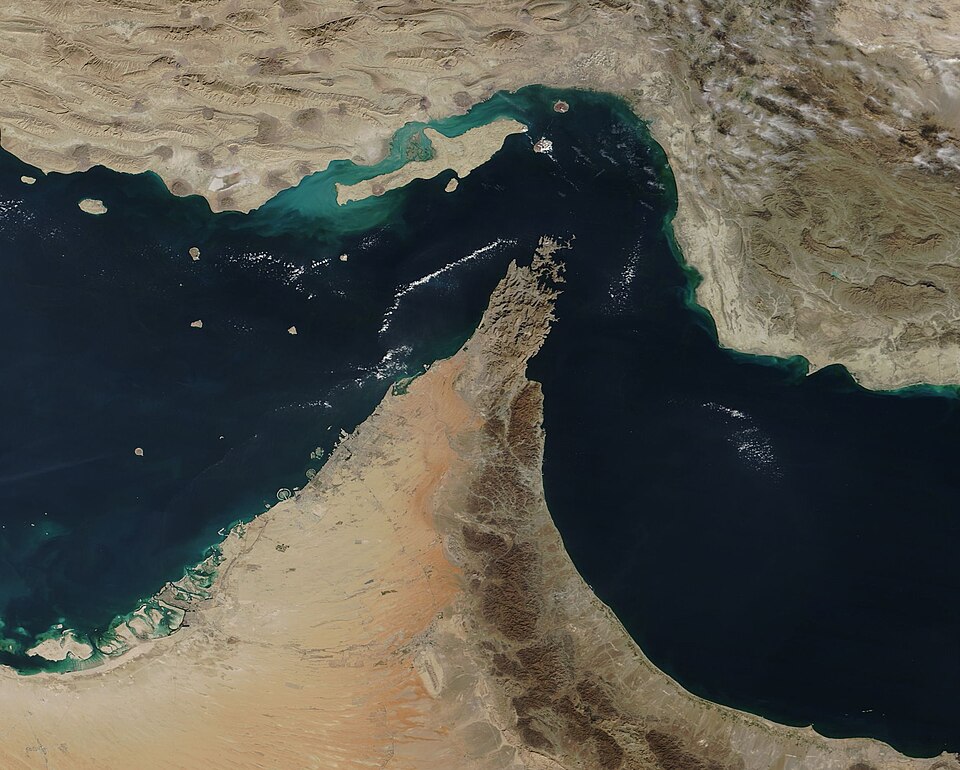
Photo: Al Jazeera
Impact: US protests reflect global sentiment. The Vietnamese-American community (nearly 2.3 million people) is also directly affected by rising fuel prices and living costs.
Outlook: Will Talks Succeed?
Peace prospects remain precarious. On one hand, the Islamabad initiative shows the international community is actively seeking diplomatic solutions. On the other, multiple escalation signals suggest neither side is ready to make significant concessions. Iran's consideration of withdrawing from the NPT is particularly concerning, as it would remove international nuclear oversight mechanisms and could trigger a regional nuclear arms race.
Three scenarios are plausible over the next two weeks per ZestLab analysis: (1) A temporary ceasefire from Islamabad talks, leading to a 10-15% oil price correction; (2) Prolonged diplomatic deadlock with oil prices oscillating around current levels; (3) Major escalation including ground operations, pushing Brent above $130/barrel. With the Pentagon deploying additional Marines and preparing ground operations, scenario three cannot be ruled out.
Impact: In the worst-case scenario (oil above $130/barrel), Vietnamese gasoline could exceed 33,000 VND/liter, Q2 2026 inflation could hit 5-6%, severely impacting consumer purchasing power.
Related Coverage
References
Frequently Asked Questions
More from this topic— US-Iran Conflict
Related Topics
Stay on top of trends
Bookmark this page and check back often for the latest updates and insights.