Key Takeaways
- --Talks hit impasse after first Islamabad round, mediated by Pakistan
- --No date set for a second round of negotiations
- --Ceasefire expires April 22, 2026
- --Iran demands nuclear recognition and sanctions relief; US demands Hormuz reopening and nuclear limits
- --Oil at ~$98/barrel, could spike above $120 if talks fail
The Islamabad Round
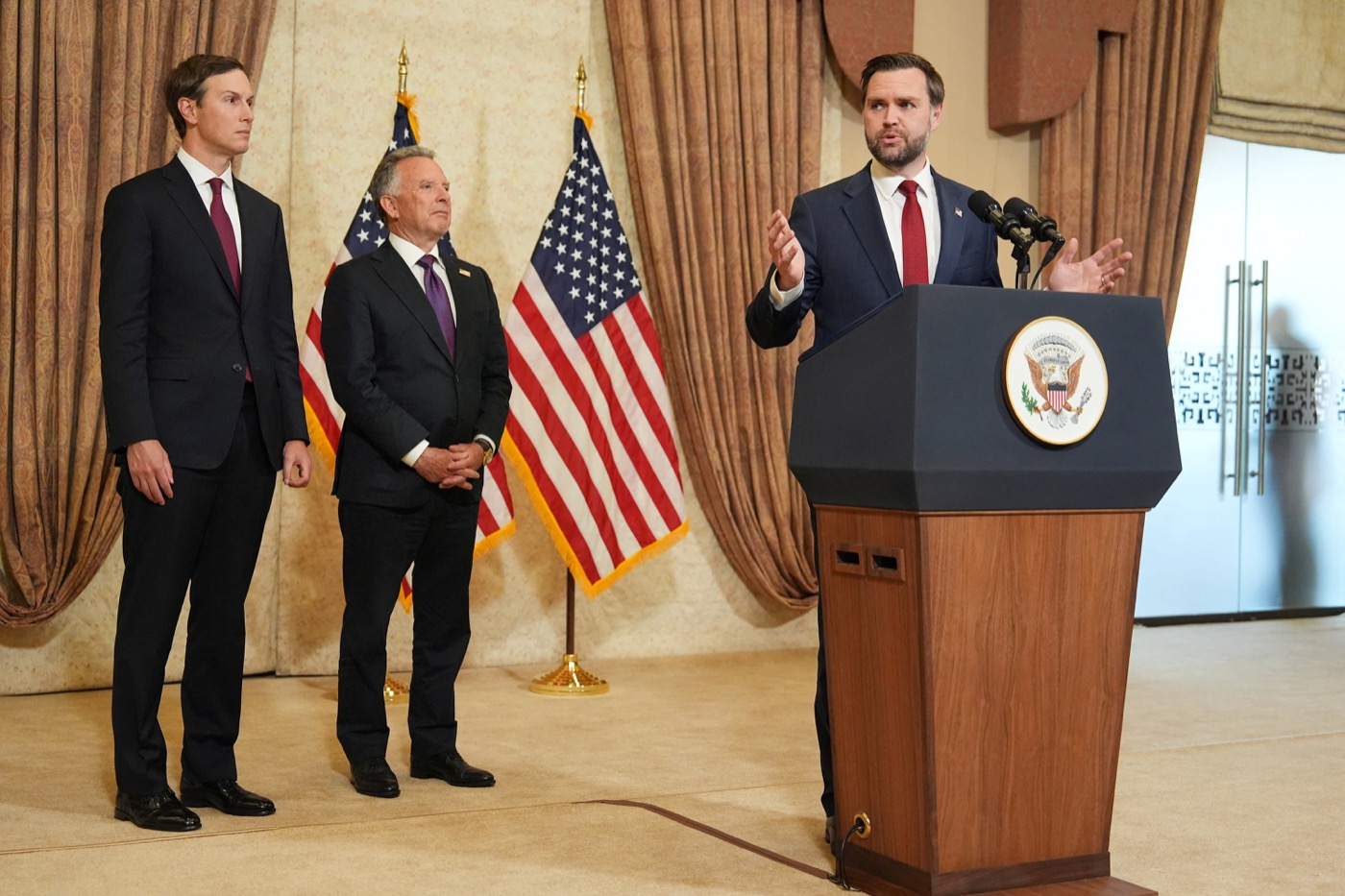
The first round in Islamabad lasted three tense days, with Pakistan serving as mediator. While both delegations -- led by the foreign ministers of each country -- agreed to sit at the negotiating table, the gap between fundamental positions showed there was no common ground to build an agreement upon.
Iran demanded formal recognition of its right to enrich uranium for peaceful purposes, comprehensive lifting of economic sanctions, and security guarantees against future military strikes. The US insisted on the full reopening of the Strait of Hormuz to international shipping, strict caps on Iran's nuclear program, and a comprehensive IAEA inspection regime.
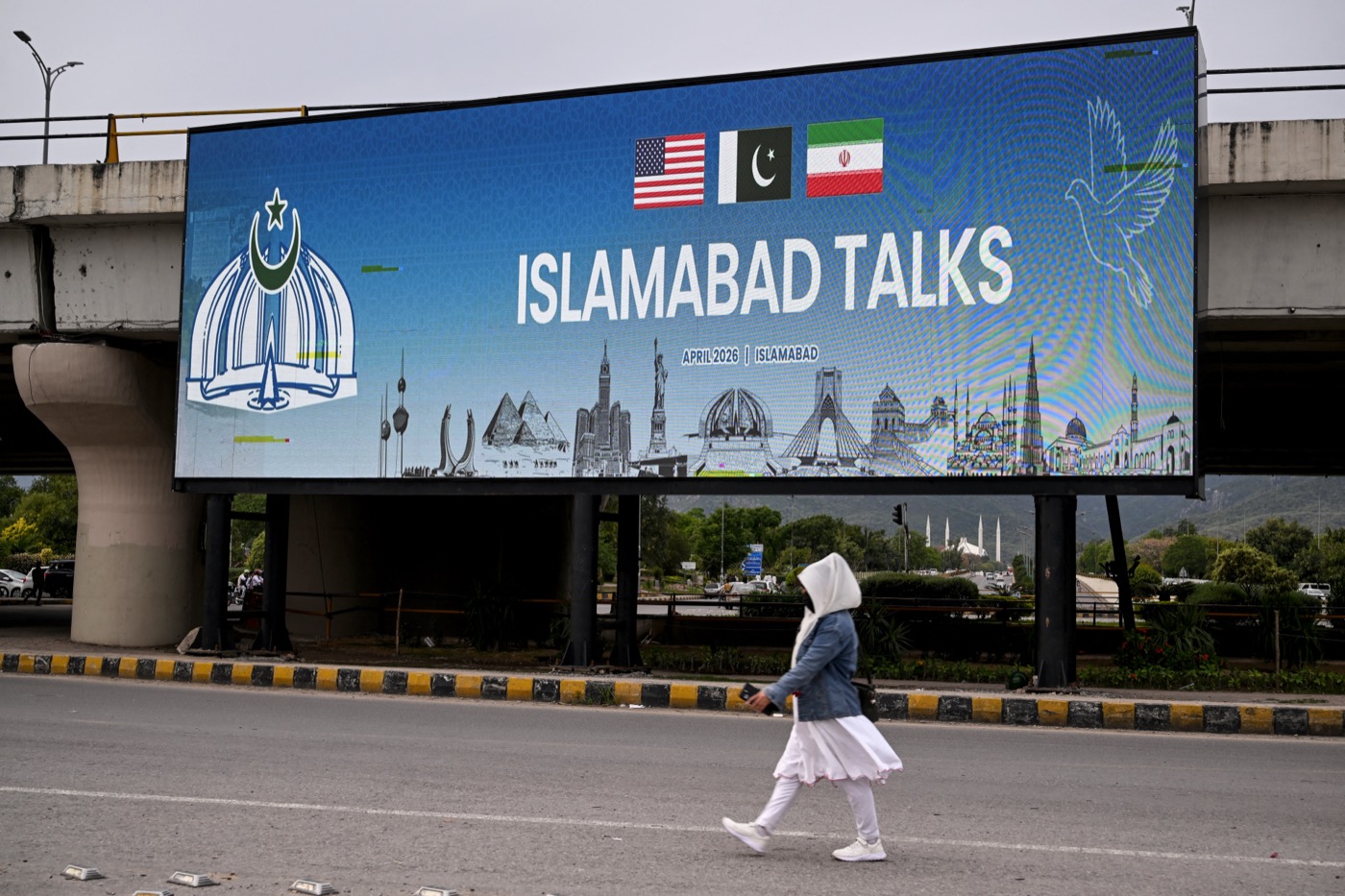
Photo: Al Jazeera
Ceasefire Deadline: April 22
The April 22 ceasefire deadline creates immense time pressure on both sides. Without a framework agreement before the deadline, military operations could resume in the Persian Gulf. Oil markets are pricing in this risk, with Brent hovering around $98/barrel -- but analysts warn prices could exceed $120 if the Hormuz blockade returns to full force.
The Demands Gap
- Nuclear program recognition
- Comprehensive sanctions relief
- Security guarantees
- Unfreezing of assets
- Full Hormuz reopening
- 3.67% enrichment cap
- Comprehensive IAEA inspections
- End proxy militia support
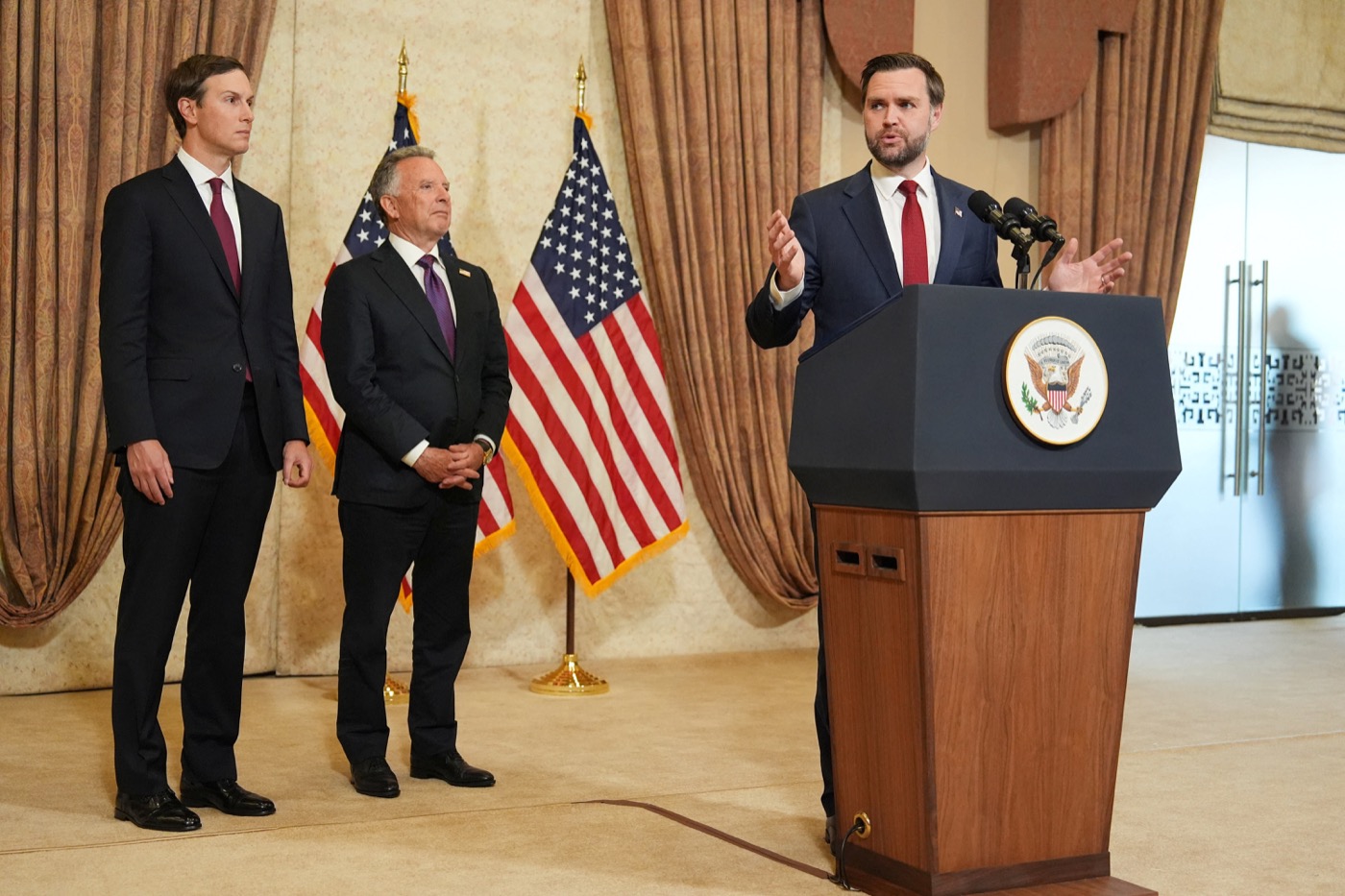
Photo: NBC News
Pakistan's Mediator Role
Pakistan was chosen as mediator due to its geographic adjacency to Iran, historical diplomatic ties with both parties, and Muslim-majority status that lends credibility with Tehran. However, Islamabad faces the challenge of balancing its US alliance with economic dependence on Iranian energy. Pakistan also has a direct interest in regional stability as Persian Gulf instability disrupts critical shipping lanes.
Oil Market Impact
With Brent at ~$98/barrel, markets have partially priced in the risk of talks failing. The Strait of Hormuz -- through which approximately 20% of global oil transits -- remains partially blockaded, constraining supply and elevating prices. If talks collapse and the blockade intensifies, analysts project oil could exceed $120, adding further inflationary pressure worldwide.
-- If oil rises from $98 to $120/barrel, gas prices in Vietnam could jump by 2,000-3,000 VND/liter, directly affecting 97 million consumers.
What Comes Next?
Three main scenarios are being tracked by analysts:
Both sides agree to extend ceasefire by 2-4 weeks for continued talks. Considered the most likely scenario (~45%).
No agreement reached, military operations resume. Oil exceeds $120. Probability ~30%.
Surprise breakthrough with basic framework deal. Oil drops to $80-85. Probability ~25%.