Key Takeaways
- April 14: Lebanese and Israeli ambassadors met at the State Department -- the first such meeting since 1993.
- Trump announced that PM Netanyahu and Lebanese PM Nawaf Salam will speak directly.
- Secretary Rubio said the meeting is laying the framework for lasting peace.
- Over 2,100 killed by Israeli strikes, according to Lebanese officials.
- Israeli airstrikes continued on April 16 despite diplomatic progress.
Historic Context: 34 Years of Silence
Israel and Lebanon have technically been in a state of war since 1948. The last direct talks between the two countries occurred in 1993, when U.S. mediators sought to establish rules of engagement in southern Lebanon following clashes involving Hezbollah. Since then, all communication has been routed through intermediaries -- primarily the United Nations or the United States. The April 14, 2026, meeting at the U.S. State Department marks the first break in this 34-year diplomatic gap, and it comes amid intense Israel-Hezbollah fighting that has lasted more than six weeks.
The State Department Meeting
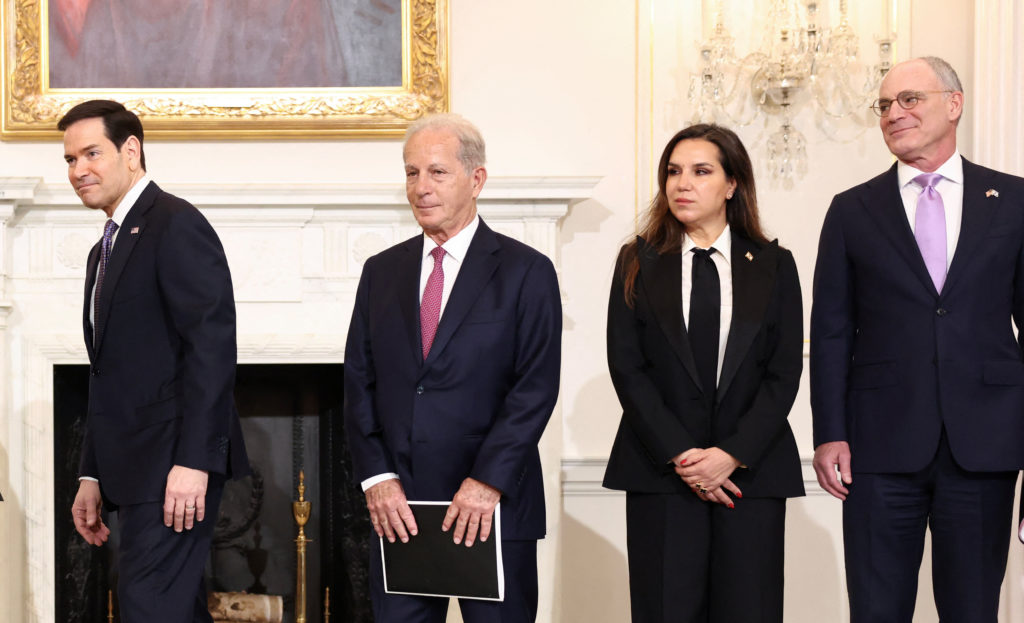
On April 14, the Lebanese and Israeli ambassadors met at the U.S. State Department headquarters in Washington, D.C., under the auspices of Secretary of State Marco Rubio. According to diplomatic sources, the meeting lasted nearly two hours and focused on establishing formal communication channels between the two governments. This was the first time ambassadorial-level officials from the two nations sat at the same negotiating table since 1993.
Trump's Announcement
Following the State Department meeting, President Trump announced that Israeli Prime Minister Benjamin Netanyahu and Lebanese Prime Minister Nawaf Salam would speak directly with each other. This would be the first exchange between leaders of the two nations in decades. Trump described the initiative as part of a broader effort to bring stability to the Middle East region.
"We are moving toward real peace between Israel and Lebanon -- something many people said could never happen."
-- President Trump, per Al Jazeera
Rubio's Peace Framework
Secretary of State Marco Rubio described the State Department meeting as the first step in building a framework for lasting peace. Rubio emphasized that the goal was not merely a temporary ceasefire but addressing the root causes of a conflict spanning decades. According to sources, the framework could include border demarcation, security mechanisms for southern Lebanon, and a roadmap for normalization of relations.
The Contradiction: Diplomacy Under Fire
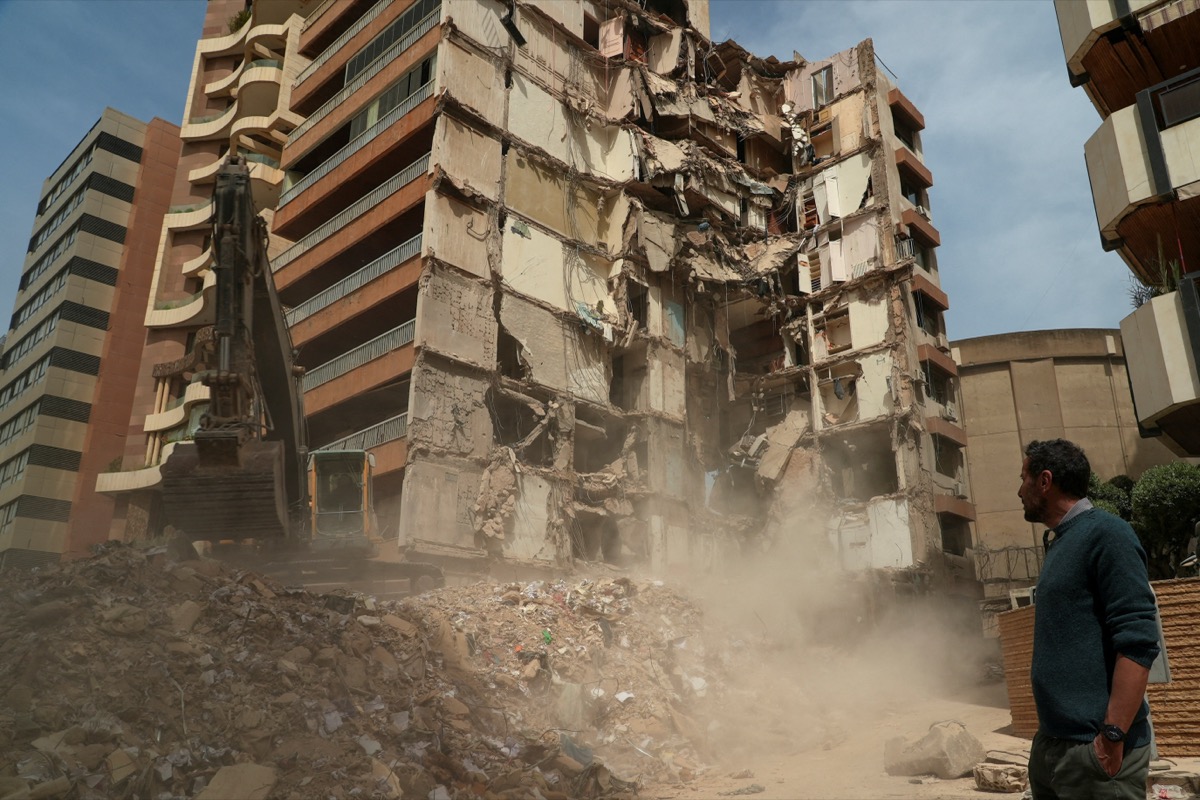
Despite diplomatic progress, fighting has continued. On April 16, just two days after the historic meeting, Israeli airstrikes targeted positions in Lebanon. According to Lebanese officials, more than 2,100 people have been killed since fighting erupted over six weeks ago. The disconnect between diplomacy and military action raises serious questions about the seriousness and enforceability of any agreement.
Over 2,100 killed, tens of thousands displaced from southern Lebanon. Civilian infrastructure has suffered severe damage, including hospitals and schools. Humanitarian organizations warn that conditions could deteriorate rapidly without a ceasefire.
Hezbollah's Position
Hezbollah -- the powerful armed and political force in Lebanon -- has not publicly endorsed the direct talks. The group has historically opposed any form of normalization with Israel and insists that any agreement must be tied to a full Israeli withdrawal from contested areas. The Lebanese government under Prime Minister Nawaf Salam has shown willingness to engage, but the enforceability of any agreement depends significantly on Hezbollah's consent or at least non-opposition.
Key Timeline
Ambassadors Meet at the U.S. State Department
Lebanese and Israeli ambassadors sat at the same negotiating table for the first time since 1993, hosted by Secretary of State Marco Rubio.
-> A historic event, opening the possibility of ending a technical state of war spanning nearly eight decades.
Trump Announces Netanyahu-Salam Direct Dialogue
President Trump revealed that the Israeli and Lebanese prime ministers would speak directly, elevating diplomacy to the leadership level.
-> Leadership-level dialogue could accelerate the peace process or increase internal political pressure on both sides.
Airstrikes Continue Despite Diplomacy
Israel continued airstrikes on positions in Lebanon just two days after the historic meeting, raising questions about commitment to peace.
-> Continued violence erodes trust and could harden Lebanon's negotiating position.
Regional Implications
The Israel-Lebanon talks do not occur in a vacuum. They are situated within the broader context of the U.S.-Iran conflict, which has sent shockwaves across the Middle East. The outcome of these negotiations could shift the regional balance of power, particularly regarding Iran and its proxy allies, including Hezbollah, Iraqi militias, and the Houthis in Yemen.
Many analysts see these talks as part of the broader Trump administration strategy to isolate Iran by peeling away Tehran's regional allies. If Lebanon reaches a separate agreement with Israel, it could weaken Iran's bargaining position.
Frequently Asked Questions
References
- Al Jazeera -- Trump says Israel and Lebanon's leaders will speak on Thursday (April 16, 2026)
- CNBC -- Trump pushes Israel-Lebanon talks amid Hezbollah ceasefire conflict (April 16, 2026)
- PBS NewsHour -- What to know about new direct talks between Lebanon and Israel (April 2026)
ZestLab analysis based on publicly available data. This article is for informational purposes and is not political advice.
More from this topic— US-Iran Conflict
Related Topics
Stay on top of trends
Bookmark this page and check back often for the latest updates and insights.