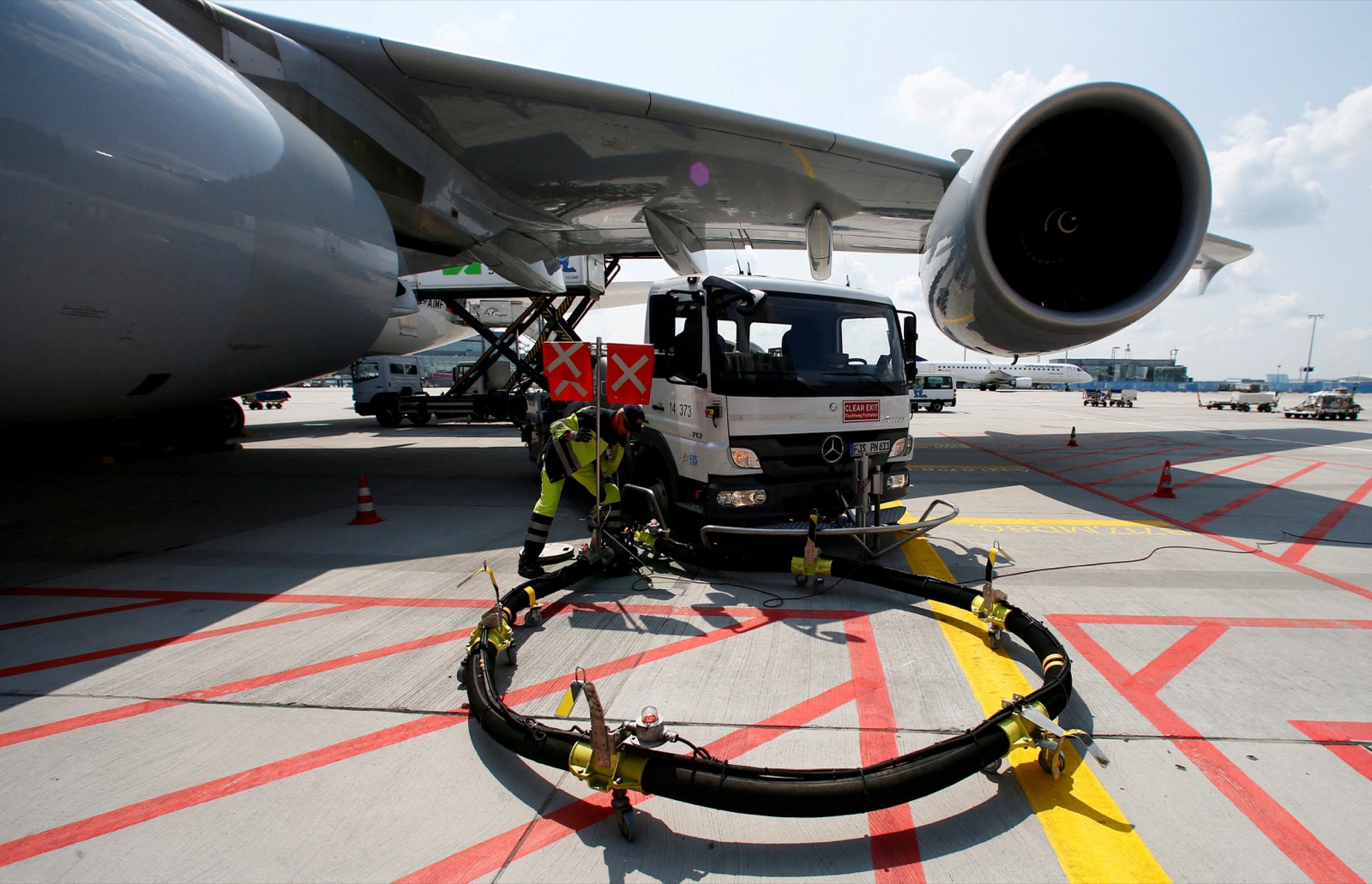
6 Weeks of Jet Fuel Left: Iran War Threatens European Skies
IEA warns 6 weeks of jet fuel left in Europe. KLM, Lufthansa, SAS slash flights. Brent >$100.
Published: April 18, 2026
Photo: Reuters
Key Figures at a Glance
The Jet Fuel Crisis Explained
The Strait of Hormuz, through which 75% of Europe's jet fuel transits, has become a war zone since the United States and Iran entered military conflict in late February 2026. With 22 tankers attacked in just seven weeks, global aviation fuel supply chains have descended into unprecedented chaos.
The International Energy Agency (IEA) issued a stark warning: Europe has roughly 6 weeks of jet fuel reserves remaining. Jet fuel prices have shattered all records, reaching $1,800 per ton, nearly triple the pre-conflict average.
Brent crude has surpassed $100 per barrel, compared to $66 before the war. This is not merely a fuel crisis; it is an existential threat to air travel for millions of people.
Airlines Under Siege
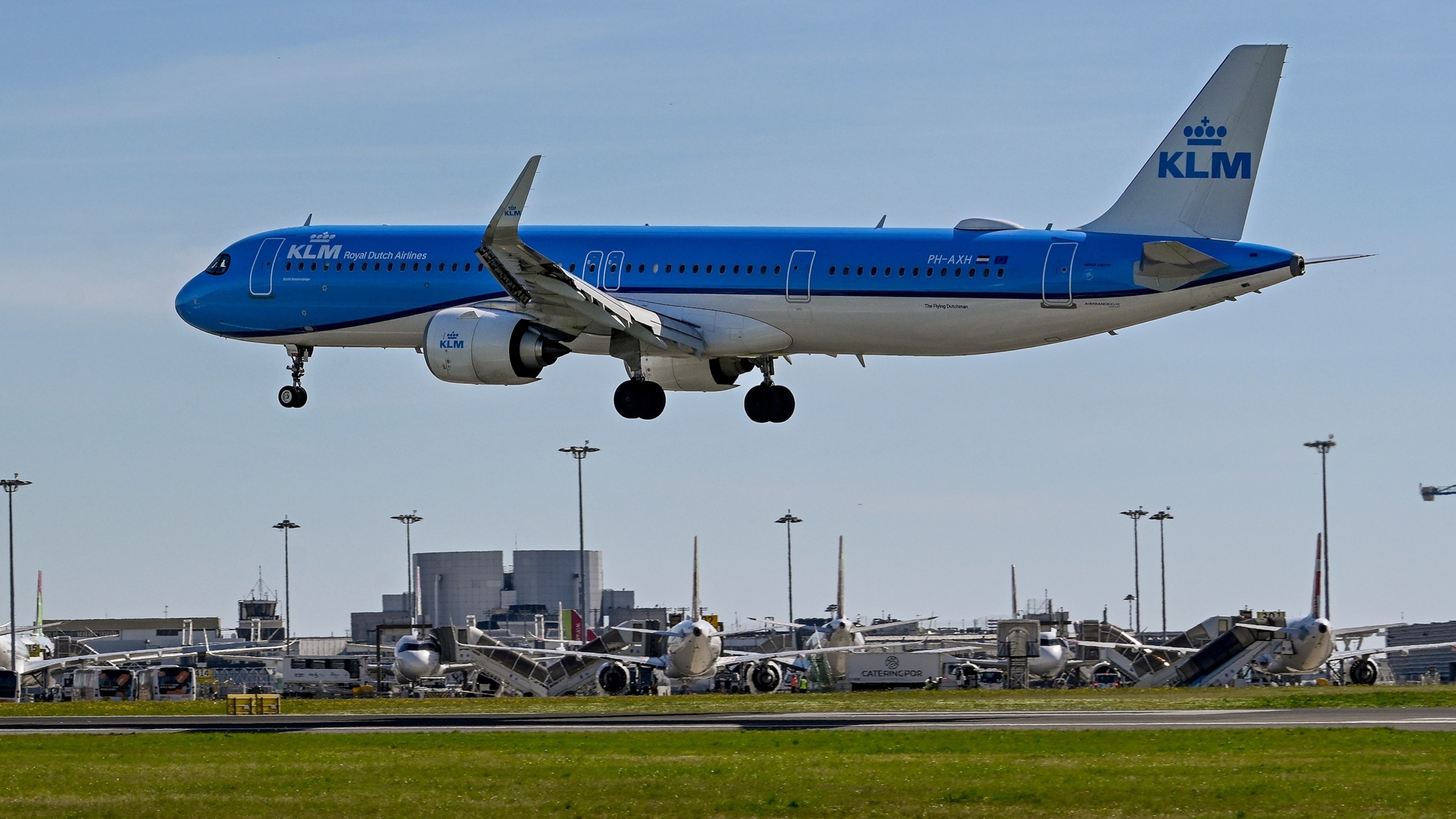
Photo: AP/Getty via ABC News
KLM Royal Dutch Airlines cancelled 160 flights on intercontinental routes. SAS Scandinavian Airlines announced the cancellation of over 1,000 flights, affecting hundreds of thousands of passengers during peak travel season.
Lufthansa, Europe's largest airline group, has taken the drastic step of shutting down its CityLine regional subsidiary entirely. This marks the first time in history a Lufthansa subsidiary has been closed due to fuel cost pressures.
Financial Impact
Fuel accounts for 25-35% of airline operating costs. With jet fuel prices tripling, each transatlantic flight incurs an additional $50,000-$80,000 in fuel costs.
Supply Chain Breakdown
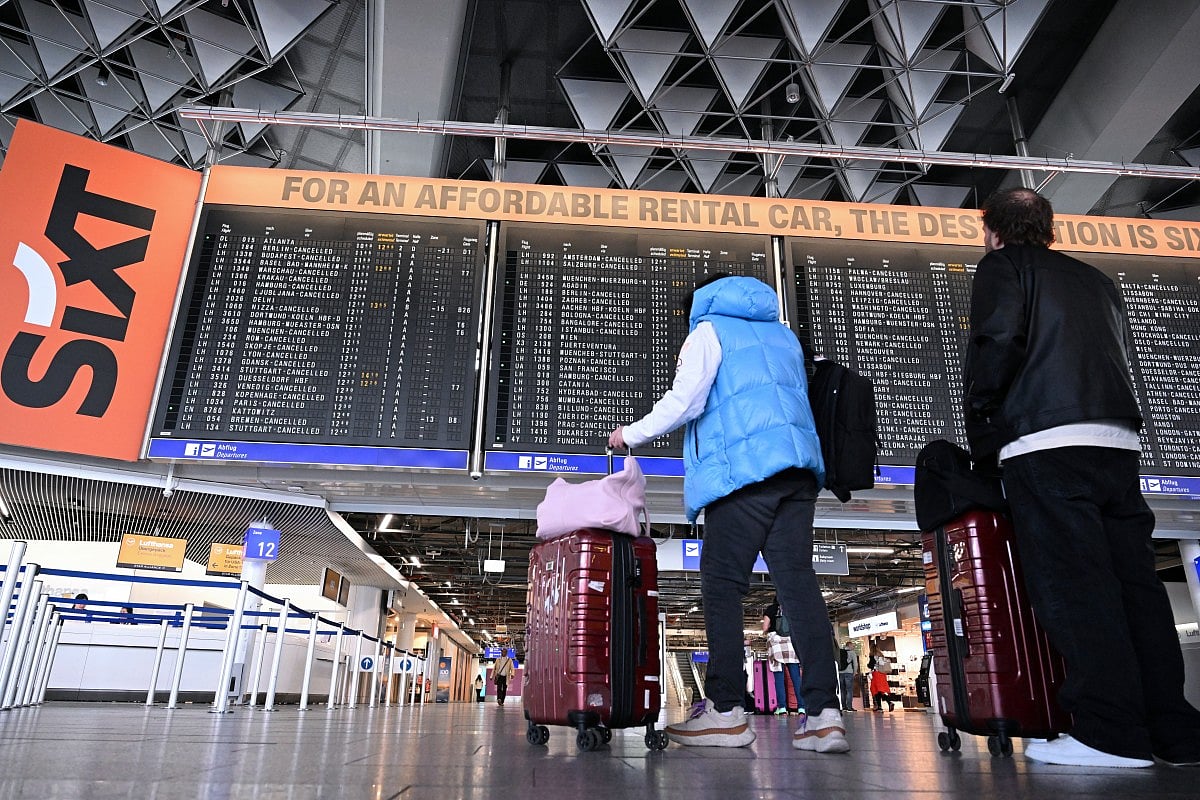
Photo: AFP via Gulf News
The Strait of Hormuz is just 33 km wide at its narrowest point, yet approximately 21 million barrels of oil transit through it daily, equivalent to one-fifth of global oil production. With Iran deploying sea mines and anti-ship missiles, maritime insurers have raised premiums by 300-500%, deterring many tankers from making the passage.
European nations are seeking alternative supplies from the United States, Nigeria, and Norway, but transportation and refining capacity from these sources cannot fill the Middle Eastern gap in the short term. Refineries in Rotterdam and Antwerp have already reduced output by 30% due to feedstock shortages.
-> If you booked summer flights to Europe, fuel surcharges could add an extra EUR 100-200 per round-trip ticket.
Price Comparison: Pre-War vs. Now
| Metric | Pre-War | Current |
|---|---|---|
| Brent Crude | $66/bbl | >$100/bbl |
| Jet Fuel | $650/ton | $1,800/ton |
| Maritime Insurance | Standard | +300-500% |
| Ships through Hormuz/day | ~60 | <25 |
Crisis Timeline
Iranian forces attacked 3 tankers, initiating the maritime blockade campaign.
-> Maritime insurance premiums doubled within 48 hours.
Jet fuel prices breached the psychological $1,000 mark, prompting airlines to consider route cuts.
-> European airfares rose 15-20% on average that week.
The largest wave of cancellations in European aviation history, affecting hundreds of thousands of passengers.
-> European airline stocks fell 8-12% in a single session.
The CityLine regional subsidiary shut down entirely, a first in Lufthansa Group history.
-> Thousands of employees affected, many intra-German routes eliminated.
The International Energy Agency issued its most severe warning yet, with jet fuel reaching $1,800 per ton.
-> Without alternative supply, European airports could run dry by late May.
Global Ripple Effects
The crisis extends well beyond Europe. Asian airlines have also begun cutting flights through the Middle East. Singapore Airlines, Emirates, and Qatar Airways have rerouted to avoid the danger zone, extending flight times and increasing fuel costs.
The global tourism industry faces estimated losses of $40-60 billion for summer 2026, according to IATA. Low-cost carriers are hit hardest due to thin margins and lack of long-term fuel hedging contracts.
-> Southeast Asian tourism may benefit as travelers pivot away from Europe: Vietnam, Thailand, and Indonesia could see increased intra-regional traffic.