Key Takeaways
- ▸Brent topped $116/barrel on March 30 — highest since the $119 peak on March 19 (per Al Jazeera)
- ▸Oil has risen ~60% since the war started on February 28, 2026
- ▸Houthis launched first direct ballistic missiles at Israel on March 29
- ▸Hormuz traffic collapsed: 120 ships/day pre-war to just 7 non-Iranian vessels
- ▸IEA chief: 'Greatest global energy security challenge in history'
Oil Market Update — Day 32
Brent crude topped $116 per barrel on March 30 — the highest since it briefly peaked at $119 on March 19. US WTI futures gained 53% in March, the best monthly performance since May 2020. Oil has traded above $100 for over 30 consecutive days, the first time in history such an extended streak has occurred.
A historic release of strategic petroleum reserves by multiple countries has failed to tame prices, demonstrating that the scale of the Hormuz disruption exceeds the capacity of reserves to compensate.
→ Filling a 50L tank in Vietnam now costs ~$14 more per fill compared to pre-war prices.
Hormuz Chokepoint: 94% Traffic Collapse
Strait of Hormuz: Maritime Traffic
~20% of global oil and LNG supply disrupted
The Strait of Hormuz — the world's narrowest energy chokepoint — has effectively shut down for commercial shipping. From 120 daily transits before the war, only 7 non-Iranian vessels now pass through. According to Al Jazeera, the IEA chief has described this as the "greatest global energy security challenge in history."
Approximately 20% of global oil and LNG supply transits this strait. Alternative routes via the Cape of Good Hope add 10-14 days to shipping times, dramatically increasing logistics costs. War-risk insurance premiums for tankers have risen 8-10x from pre-conflict levels.
→ Vietnam imports ~80% of its crude from the Middle East. Higher shipping costs = domestic fuel prices keep climbing.

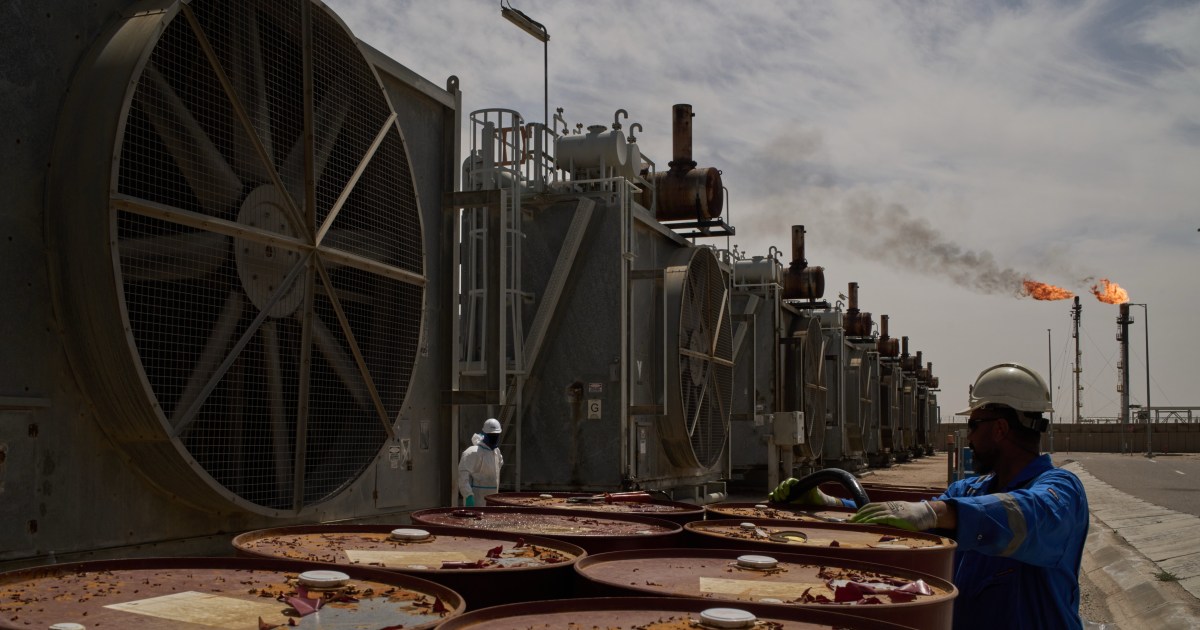
Photo: NBC News
Houthi Escalation: A New Front Against Israel
On March 29, Houthi forces in Yemen launched their first direct ballistic missiles at Israeli territory since the war began. Israel's Iron Dome intercepted two of three missiles. This event transforms the conflict from a bilateral US-Iran war into a multi-front regional crisis.
Previously, Houthis had focused their attacks on commercial shipping in the Red Sea and Gulf of Aden. Directly targeting Israel raises the risk of Israeli military retaliation against Houthi positions in Yemen, potentially drawing more regional actors into the conflict.
→ A wider conflict means more shipping lanes threatened, pushing import costs even higher for Vietnam.
Trump's 'Obliterate' Threat vs Iran's 'Rain Fire' Warning
President Trump threatened to 'completely obliterate' Iran's energy sources if Tehran does not accept a deal. In response, Iran warned it would 'rain fire' on US troops if a ground invasion occurs. This escalatory rhetoric continues to drive oil prices higher as traders price in the possibility of even more severe disruptions.
Peace negotiations in Islamabad involving Pakistan, Turkey, Egypt, and Saudi Arabia continue in parallel but remain fragile. Oil markets are trading on worst-case scenarios, pushing Brent toward a record monthly gain.
→ Mutual US-Iran threats keep markets fearful, anchoring oil high despite record reserve releases.
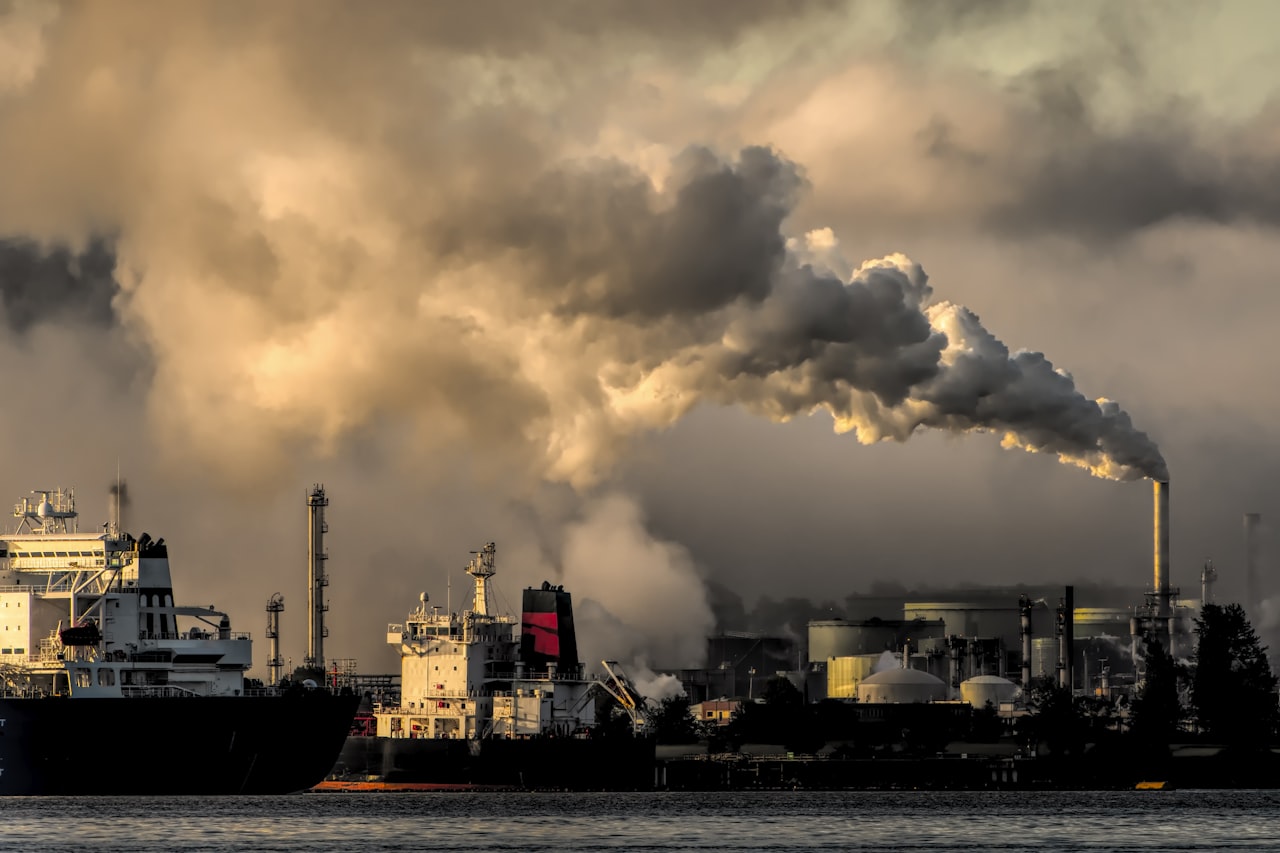
Photo: CNBC
Escalation Timeline: Day 1 → 32
Over 100 targets hit. Brent jumps 8% in single session.
Naval mines deployed, oil jumps 12% overnight.
20M barrels/day removed from global supply.
Highest level since 2014. Pentagon deploys additional Marines.
First-ever direct Houthi ballistic attack on Israeli territory.
Major escalation. Iron Dome intercepts successfully.
Oil up ~60% since war began. Trump threatens to 'obliterate' Iran energy.
Ripple Effects: From Oil Fields to Dinner Tables
The oil price shock extends far beyond gas stations. Global freight costs have risen 35-50%, pushing food prices higher across many countries. Airlines have imposed emergency fuel surcharges, raising average ticket prices by 12-18%.
In Lebanon, the humanitarian crisis deepens: one-fifth of the population has been displaced, with 19,000 children affected daily. Food prices in the Middle East region have risen 25-40% compared to pre-conflict levels.
→ Vietnam rice exports benefit from Middle East demand (+8%), but domestic shipping costs rise in parallel.
Vietnam Impact Assessment
Vietnamese domestic fuel prices have reached 12-week highs. RON 95 gasoline has risen sharply, directly affecting the cost of living for millions of citizens. The government is accelerating biofuel transition plans as a medium-term solution.
Manufacturers relying on petroleum-based inputs face margin compression. The transportation and logistics sector is under pressure from rising freight rates, cascading into consumer goods prices.
→ Average Vietnamese consumer spends an extra 150,000–200,000 VNĐ/month on transportation vs. pre-war levels.
Oil Price Scenarios: What Happens Next?
Energy analysts present three main scenarios for oil prices in April, based on military and diplomatic developments:
War continues, Hormuz stays closed. Oil oscillates $115–125.
Ground invasion, expanded Houthi attacks. Oil could breach $140.
Ceasefire succeeds, Hormuz reopens. Rapid price decline.
Per ZestLab analysis, the base case ($115–125) carries the highest probability in the near term, as negotiations remain deadlocked but fighting intensity has not significantly escalated.
→ If oil hits $140, Vietnam gasoline could breach 30,000 VNĐ/liter — a new all-time record.
References
- Al Jazeera — Oil rises above $116 a barrel as Iran accuses US of preparing invasion (March 30, 2026)
- NBC News — Iran war oil prices supply impact (March 30, 2026)
- Axios — Iran war oil markets Houthi Israel attacks (March 29, 2026)
- CNBC — Oil price today: WTI Brent Yemen Houthis Israel Iran war (March 30, 2026)
- CNN — US Israel Iran Middle East war Day 31 what we know (March 30, 2026)