ALERTfinance

Iran War Triggers Global Inflation Crisis: OECD Warns

The OECD's March 26 interim report warns the Iran war will push global inflation to 4.0% — up 1.2 percentage points — while slashing GDP growth to 2.9%. With the Strait of Hormuz closed since March 4 and Brent crude at $104/barrel, the world economy faces its worst supply shock since 2022.

Day 27OECD Alert4% Inflation
4.0%
Global Inflation Forecast
2.9%
Global GDP Growth
$104
Brent Crude / Barrel
4.2%
US Inflation Forecast

Key Takeaways

  • OECD slashes 2026 global GDP growth to 2.9% from 3.3% — the steepest single-event downgrade in 4 years
  • Global inflation forecast raised to 4.0% (+1.2pp), with US at 4.2% — driven by energy and supply chain disruptions
  • UK identified as worst-hit major economy due to heavy reliance on imported energy and thin fiscal buffers
  • Strait of Hormuz closure since March 4 disrupts 20% of global oil supply — Brent crude hits $104
  • Trump announces military pause until April 6 — markets watch for diplomatic window

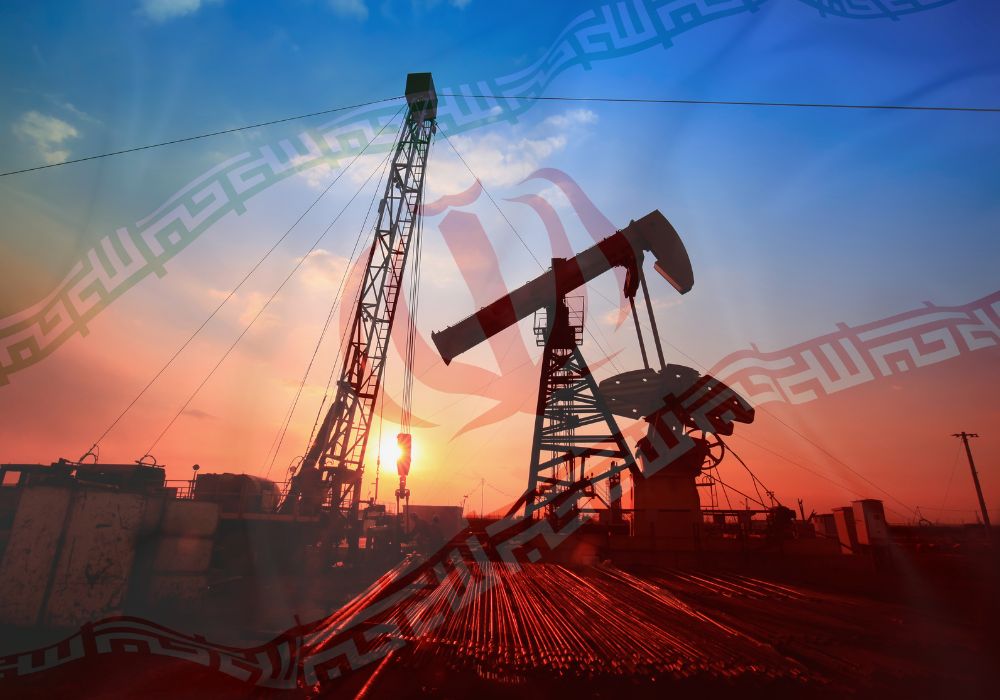
Global economic impact of Iran war — oil tanker and financial markets
Photo: Shutterstock

What the OECD Report Actually Says

The OECD's March 26 interim economic assessment paints a stark picture: the Iran conflict has fundamentally altered the global economic outlook for 2026. Before the war began on February 28, the organization projected 3.3% global growth and 2.8% inflation. Four weeks of fighting have blown those forecasts apart. The revised numbers tell the story: GDP growth cut to 2.9%, inflation surging to 4.0%, and trade volumes shrinking as shipping lanes reroute around the Persian Gulf. The OECD specifically warned that these projections assume no further escalation — an assumption that grows more fragile by the day. Secretary-General Mathias Cormann emphasized that the war's economic damage extends far beyond oil prices. Business confidence has cratered, investment plans are frozen, and central banks face an impossible dilemma between fighting inflation and supporting growth.
→ If your retirement fund holds global equities, the OECD is telling you to expect lower returns for 2026 — and potentially longer if the war drags on.

OECD Forecast: Before vs. After Iran War

Pre-War (Dec 2025)Post-War (Mar 26)
Global GDP Growth3.3%2.9%
Global Inflation2.8%4.0%
US Inflation2.6%4.2%
Brent Crude Oil$72/bbl$104/bbl
Global Trade Volume+3.6%+1.8%
UK GDP Growth1.5%0.6%
Oxford Economics analysis of Iran war scenarios and oil price impact
Photo: Oxford Economics

Why Britain Is the Worst-Hit Major Economy

The OECD report singled out the United Kingdom as the major economy most vulnerable to the Iran war shock. Three factors converge to make Britain's position uniquely painful. First, the UK imports over 40% of its natural gas and relies heavily on global energy markets for price signals. Unlike the US — which is now effectively energy-independent — Britain has no domestic shale cushion. Second, the Bank of England had already been struggling with sticky services inflation at 5.1% before the war. Adding an energy price shock to existing price pressures creates a stagflationary trap. Third, the UK government has virtually no fiscal space: debt-to-GDP sits at 98%, leaving Chancellor Rachel Reeves with no room for stimulus spending. The OECD projects UK GDP growth will be slashed from 1.5% to just 0.6% — the largest downgrade among G7 economies. For British households already feeling the squeeze from high mortgage rates, the energy price spike translates directly into higher utility bills and grocery prices.
→ If you're a British expat or hold UK-linked investments, expect the pound to weaken further — sterling has already dropped 4.2% against the dollar since the war began.

27 Days of Economic Fallout

Feb 28

War Begins — Markets Crash

US military strikes on Iranian nuclear facilities mark Day 1. Global equity markets shed $2.1 trillion in a single session. Brent crude jumps 12% to $82.

→ A portfolio of $100K in global index funds lost ~$4,200 on Day 1 alone.
Mar 4

Hormuz Closure — Oil Shock Begins

Iran blockades the Strait of Hormuz with naval mines and fast-attack boats. Roughly 20% of global oil supply is cut off. Brent crude surges past $95.

→ Average US gas prices jumped $0.45/gallon within 72 hours — costing the typical driver $27 more per month.
Mar 14

Brent Hits $104 — Supply Chain Panic

Brent crude breaks $104 for the first time since 2022. Container shipping rates on Asia-Europe routes spike 40%. Manufacturing PMIs turn negative across Europe.

→ Consumer goods from Asia will cost 8-15% more within 60 days as shipping surcharges hit retail prices.
Mar 22

Trump Announces Pause Until April 6

President Trump announces a temporary military pause through April 6 to allow diplomatic channels. Markets rally briefly — S&P 500 gains 2.1% — before giving back half the gains.

→ The pause bought time but not confidence — options markets still price a 65% chance of resumed hostilities.
Mar 26

OECD Report — 4% Inflation Warning

OECD releases interim assessment: global inflation to 4.0%, GDP to 2.9%, UK worst hit among major economies. Report warns further escalation could push oil to $130 and trigger recession.
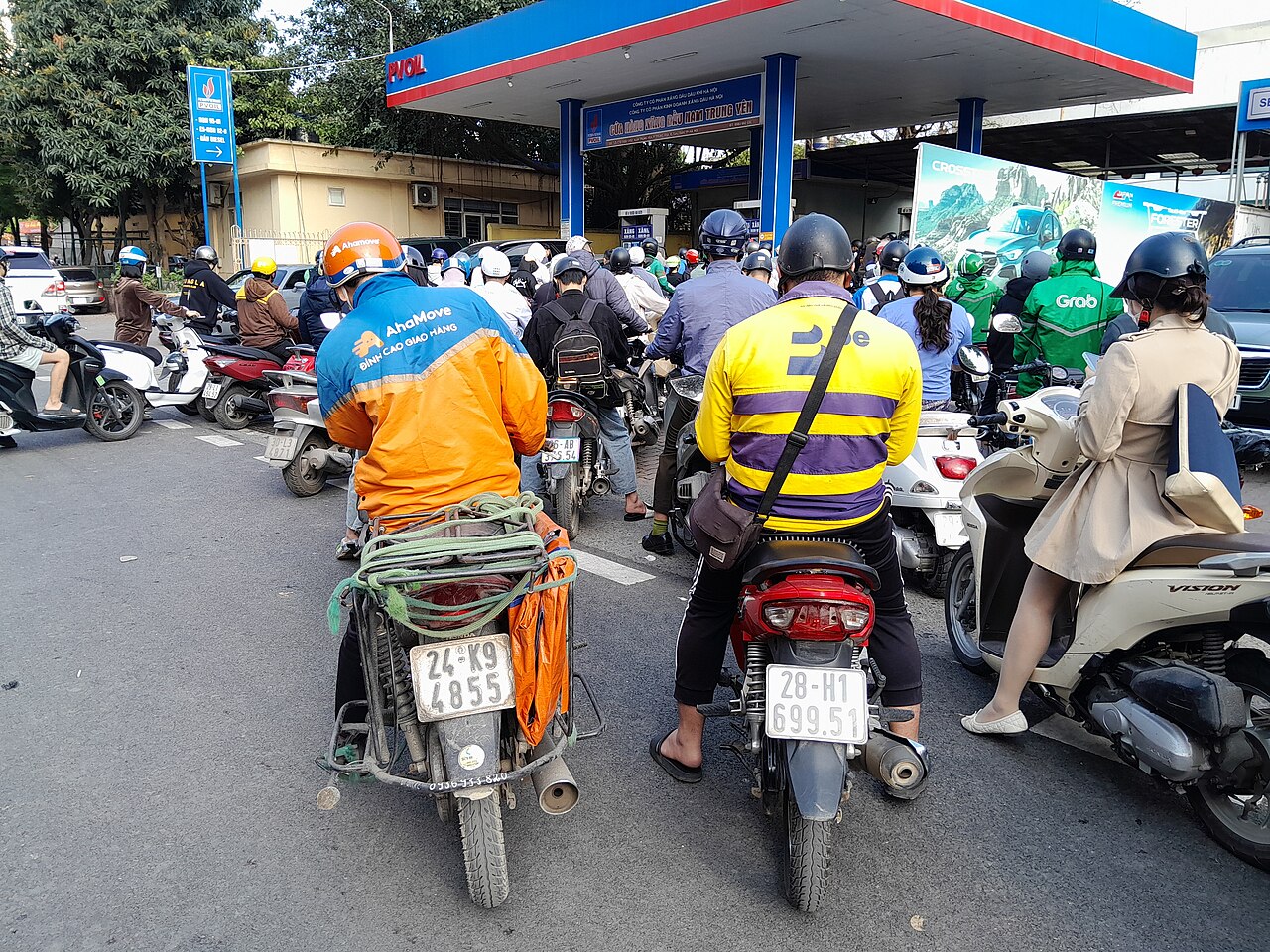
→ A Vietnamese family spending 3 million VND/month on fuel and transport could see costs rise by 360,000-450,000 VND/month if $130 oil materializes.
Map of Iran conflict zone and Strait of Hormuz
Photo: Wikimedia

The war in Iran has introduced a level of uncertainty into the global economy that we have not seen since the early days of the pandemic. Central banks are flying blind.


Sectors Hit Hardest

Energy & Fuel

Brent crude $104, US gasoline +18%, European natural gas +35% since Feb 28

Airlines & Travel

Jet fuel costs up 22%, Persian Gulf airspace closures add 3-4 hours to routes

Manufacturing

European PMIs turn negative, input costs surge, supply chains rerouting from Middle East

Consumer Goods

Food price inflation accelerating — OECD warns grocery bills could rise 6-10% by Q3

Central Banks

Rate cuts frozen globally — Fed, ECB, BoE all on hold as inflation reignites

Shipping & Logistics

Container rates Asia-Europe +40%, insurance premiums for Gulf transit up 500%


What Happens If War Resumes After April 6?
Oxford Economics models a worst-case scenario where the conflict intensifies: Brent crude could reach $130/barrel, global inflation would hit 5.5%, and multiple European economies would enter technical recession. The OECD report explicitly warns that "risks are tilted to the downside" — meaning things are more likely to get worse than better.

Frequently Asked Questions

AT
By Alex Tran · Global Economy Correspondent
Published: March 27, 2026
finance·Iran war inflation 2026 · OECD economic outlook March 2026 · oil price Iran conflict · Brent crude Iran war
Share

Related Topics

Iran war inflation 2026OECD economic outlook March 2026oil price Iran conflictBrent crude Iran warglobal growth slowdown

Stay on top of trends

Bookmark this page and check back often for the latest updates and insights.