ALERTworld

Iran Peace Talks: Trump's April 6 Deadline and Hormuz Standoff

Day 27 of US-Israel military operations against Iran. Trump has extended a pause on energy strikes until April 6 at 8PM ET, while envoy Witkoff delivers a 15-point peace framework through Pakistan. Iran rejects the terms as 'maximalist.' The Strait of Hormuz remains effectively closed, disrupting 20% of global oil transit.

Day 27Apr 6 DeadlineHormuz Blocked
27
Days of military operations
Apr 6
Deadline for energy-strike pause
15
Points in US peace framework
$105–126
Brent crude range (per barrel)
20%
Global oil transit through Hormuz
−2.9pp
Projected Q2 2026 global GDP impact

Key Takeaways

  • Trump extended his pause on energy infrastructure strikes until April 6 at 8PM ET, creating a narrow diplomatic window — but also a hard deadline after which escalation is virtually certain.
  • Envoy Steve Witkoff delivered a 15-point peace framework to Iran through Pakistani intermediaries. Iranian FM Araghchi publicly rejected it as 'maximalist and unreasonable,' though back-channel talks continue.
  • The Strait of Hormuz is effectively closed to commercial tanker traffic, disrupting roughly 20% of global oil supply. Brent crude peaked at $126/barrel before settling in the $105–110 range.
  • Iran demands continued control of the Strait of Hormuz and war reparations — terms Washington considers non-starters. The gap between the two sides remains enormous.
  • The Pentagon is considering deploying 10,000 additional troops to the region, while global GDP is projected to lose 2.9 percentage points in Q2 2026 due to energy disruptions.
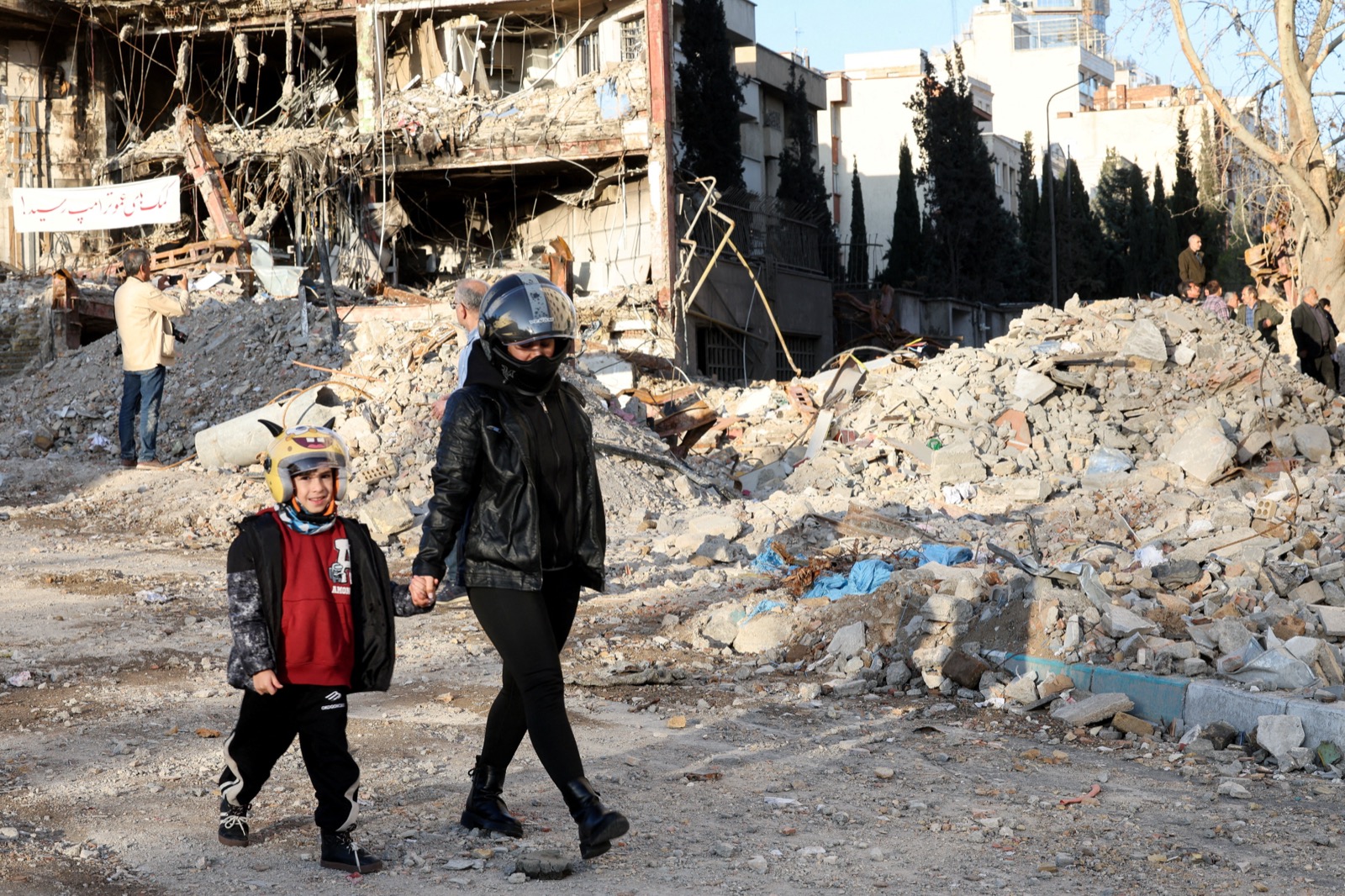
Destroyed building in Tehran during US-Israel military strikes, March 2026
Photo: Al Jazeera/Reuters

The April 6 Deadline: A Fragile Window for Diplomacy
On March 26, 2026 — Day 27 of combined US-Israeli military operations against Iran — President Trump announced an extension of his pause on strikes targeting Iranian energy infrastructure. The new deadline: April 6 at 8:00 PM Eastern Time. The extension, according to Bloomberg, came with a pointed caveat: Trump publicly questioned whether a deal with Iran was even possible, calling the Iranian leadership 'very difficult to negotiate with.' The pause applies specifically to energy targets — oil refineries, natural gas facilities, and export terminals. Military operations against Iran's nuclear facilities, air defenses, and command infrastructure continue unabated. The distinction matters: energy strikes would devastate Iran's primary revenue source but also send global oil prices into uncharted territory. The administration is walking a razor's edge between military pressure and economic self-harm. Behind the scenes, the diplomatic machinery is moving faster than public statements suggest. Special envoy Steve Witkoff has been shuttling between Islamabad and Gulf capitals, using Pakistan as the primary intermediary with Tehran. The 15-point framework he delivered covers denuclearization timelines, the future of the Strait of Hormuz, troop withdrawal sequences, and — most controversially — the question of war reparations.
→ If talks collapse after April 6, expect Brent crude to retest the $126 peak — anyone holding energy stocks or fuel-intensive businesses should hedge now, not later.

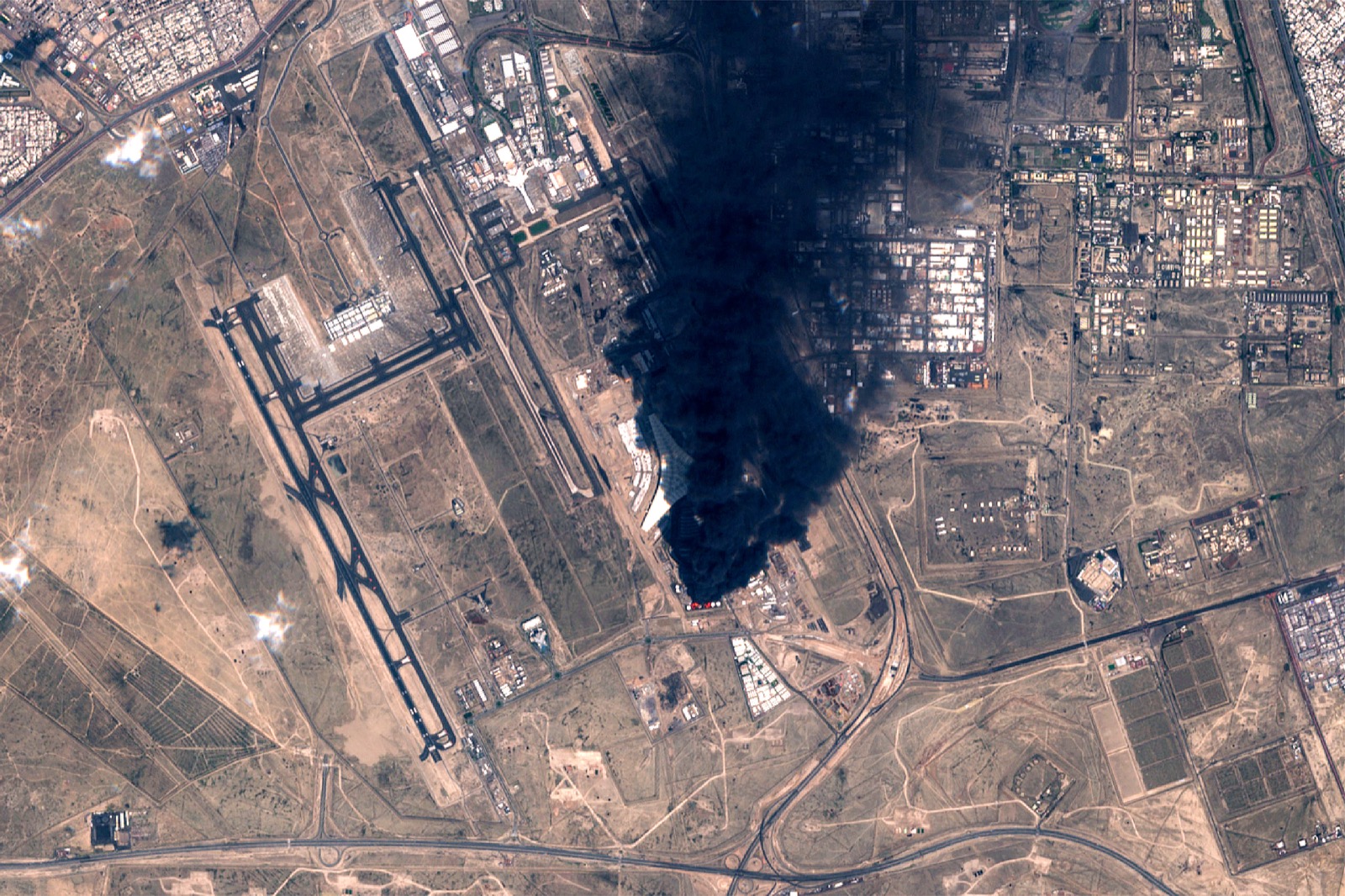
Smoke rising near the Kuwait border from strikes on Iranian-linked positions in the Gulf region
Photo: Al Jazeera/AFP

27 Days of Conflict: Key Milestones

Mar 1, 2026

US-Israel launches Operation Iron Resolve

Combined air and missile strikes target Iran's nuclear enrichment facilities at Fordow and Natanz, along with air defense networks. Tehran vows retaliation.

→ Oil futures jumped 12% within 24 hours — if you filled up your car that week, you already felt it at the pump.
Mar 8, 2026

Iran closes the Strait of Hormuz

Iran deploys naval mines, fast attack boats, and anti-ship missiles to effectively block commercial tanker traffic through the 33-kilometer-wide strait. Roughly 20 million barrels per day of oil transit halts.

→ Brent crude spiked to $126/barrel — Japan, which relies on the Middle East for 90% of crude imports, activated emergency reserves for the first time since 2011.
Mar 15, 2026

Trump pauses energy strikes; Witkoff mission begins

Facing domestic pressure over $5+ gasoline and global economic warnings, Trump orders a pause on strikes targeting Iran's energy infrastructure. Witkoff dispatched to the region.

→ Brent fell from $126 to $110 on the pause announcement — but the Hormuz blockade kept prices from returning anywhere near pre-war levels.
Mar 22, 2026

15-point framework delivered via Pakistan

Witkoff transmits the US peace proposal to Iranian officials through Pakistani intermediaries in Islamabad. The framework includes denuclearization, Hormuz reopening, and ceasefire terms.

→ Markets briefly rallied on 'peace framework' headlines — S&P 500 gained 1.8% intraday before giving back half on Iran's response.
Mar 25, 2026

Iran rejects proposal as 'maximalist'

FM Araghchi calls the US framework 'maximalist and unreasonable,' demanding recognition of Iran's right to control Hormuz and insisting on war reparations before any ceasefire.

→ Oil prices jumped 3% on the rejection — clock is now ticking toward the April 6 deadline with no framework agreement in place.
Mar 26, 2026

Trump extends pause to April 6; questions if deal is possible

Trump extends the energy-strike pause but publicly expresses doubt, telling reporters Iran's leadership is 'very difficult to negotiate with.' Pentagon reviews plans for 10,000 additional troops.

→ With 10 days until the deadline, every barrel of crude in transit is being rerouted — shipping costs through alternative routes have tripled since March 1.

The Strait of Hormuz: A Global Chokepoint Under Siege
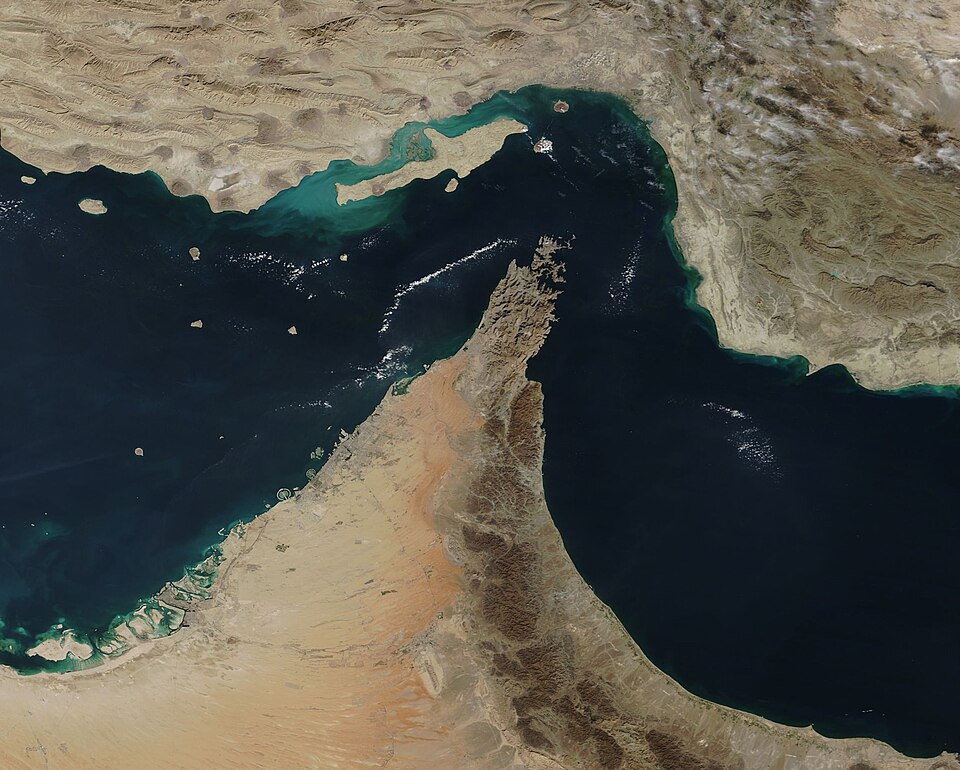
The Strait of Hormuz, a narrow waterway between Iran and Oman just 33 kilometers wide at its narrowest point, has been the world's most critical oil transit chokepoint for decades. Before the current conflict, roughly 20 million barrels of crude oil passed through it daily — approximately 20% of global petroleum consumption. Since March 8, Iran has effectively closed the strait using a layered defense of naval mines, fast-attack boats from the IRGC Navy, and shore-based anti-ship cruise missiles. Commercial tanker operators have declared the passage uninsurable, and Lloyd's of London war-risk premiums have risen to levels not seen since the 1980s Tanker War. The impact has been immediate and devastating. According to Kpler data, global seaborne oil flows dropped by roughly 15 million barrels per day in the first two weeks of the blockade. Countries most dependent on Gulf crude — Japan (90% of imports), South Korea (70%), and India (60%) — activated strategic petroleum reserves. The IEA coordinated an emergency release of 120 million barrels from member-nation stockpiles, but analysts warn reserves can only cushion the blow for 90–120 days at current draw rates.
→ If you drive a car in Asia, you are already paying the Hormuz premium — gasoline prices in Japan rose 40% since early March, and Vietnam's fuel subsidy fund is depleting fast.
Satellite view of the Strait of Hormuz, the critical oil transit chokepoint between Iran and Oman
Photo: NASA/Wikimedia

US Peace Framework vs. Iran's Demands

US 15-Point FrameworkIran's Counter-Demands
Nuclear programFull dismantlement + IAEA inspectionsPeaceful enrichment is sovereign right
Strait of HormuzImmediate reopening + international patrolIranian sovereignty over strait; no foreign navies
Ceasefire termsSimultaneous ceasefire + troop withdrawalUS withdrawal first, then ceasefire discussions
ReparationsNot mentioned in frameworkWar reparations required for civilian damage
SanctionsPhased relief tied to complianceImmediate, unconditional removal

Global Economic Fallout

Oil Price Shock

Brent crude peaked at $126/barrel on March 10 — the highest since 2008. Prices have stabilized around $105–110 but remain volatile. Every $10 increase in oil adds roughly 0.3% to global inflation.

GDP Contraction

Global GDP is projected to lose 2.9 percentage points in Q2 2026. Energy-importing nations face the steepest decline: Japan (-3.4pp), South Korea (-2.8pp), India (-2.5pp). The US, a net energy exporter, is partially insulated.

Shipping Reroutes

Tankers diverting via Cape of Good Hope, adding 15–20 days to Asia-bound voyages. Shipping costs tripled. The Suez Canal sees overflow traffic creating bottlenecks.

Currency & Market Impact

Safe-haven assets surging: gold above $3,200/oz, USD strengthening vs. EM currencies. VN-Index dropped 8% since March 1. Yen weakened to 162/USD as energy import costs soar.


You cannot bomb a nation for 27 days and then present terms that demand its complete capitulation. Iran will negotiate, but not from its knees.

Three Scenarios After April 6

The April 6 deadline creates a three-way fork in the road, each with dramatically different implications for global energy markets and geopolitical stability. Scenario 1: Framework Agreement (probability ~15%). Iran accepts a modified version of the 15-point plan, perhaps with phased sanctions relief and a face-saving formula on Hormuz sovereignty. Oil drops to $85–90. Markets rally sharply. This remains unlikely given the current rhetoric from Tehran. Scenario 2: Extended Negotiations (probability ~45%). Both sides agree to extend the pause beyond April 6 while back-channel talks continue. Oil stabilizes at $100–110. This is the most probable outcome — neither side wants to be seen as the one who walked away, but neither can accept the other's terms. The risk is 'deadline fatigue' where extensions become the norm and the underlying conflict festers. Scenario 3: Escalation (probability ~40%). Talks collapse. Trump resumes energy strikes. Iran retaliates with broader attacks on Gulf energy infrastructure. Oil surges past $130, potentially to $140+. The Pentagon deploys the additional 10,000 troops. Global recession probability jumps from 35% to over 60%. This is the scenario that energy traders and defense analysts are pricing in — note the elevated put/call ratio on oil futures and the surge in defense sector stocks.
→ For Vietnamese consumers: Scenario 3 means gasoline could breach 35,000 VND/liter and the fuel stabilization fund runs dry within weeks. Budget accordingly.
10 Days Until Deadline
The April 6 energy-strike pause expires at 8:00 PM ET. Back-channel talks via Pakistan continue but no breakthroughs reported. Markets price ~40% escalation probability.

Frequently Asked Questions

AT
By Alex Tran · Global Economy Correspondent
Published: March 27, 2026
world·iran war · us iran peace talks · strait of hormuz · trump iran april 6
Share

Related Topics

iran warus iran peace talksstrait of hormuztrump iran april 6witkoff iraniran ceasefire 2026oil price iran warhormuz closure

Stay on top of trends

Bookmark this page and check back often for the latest updates and insights.