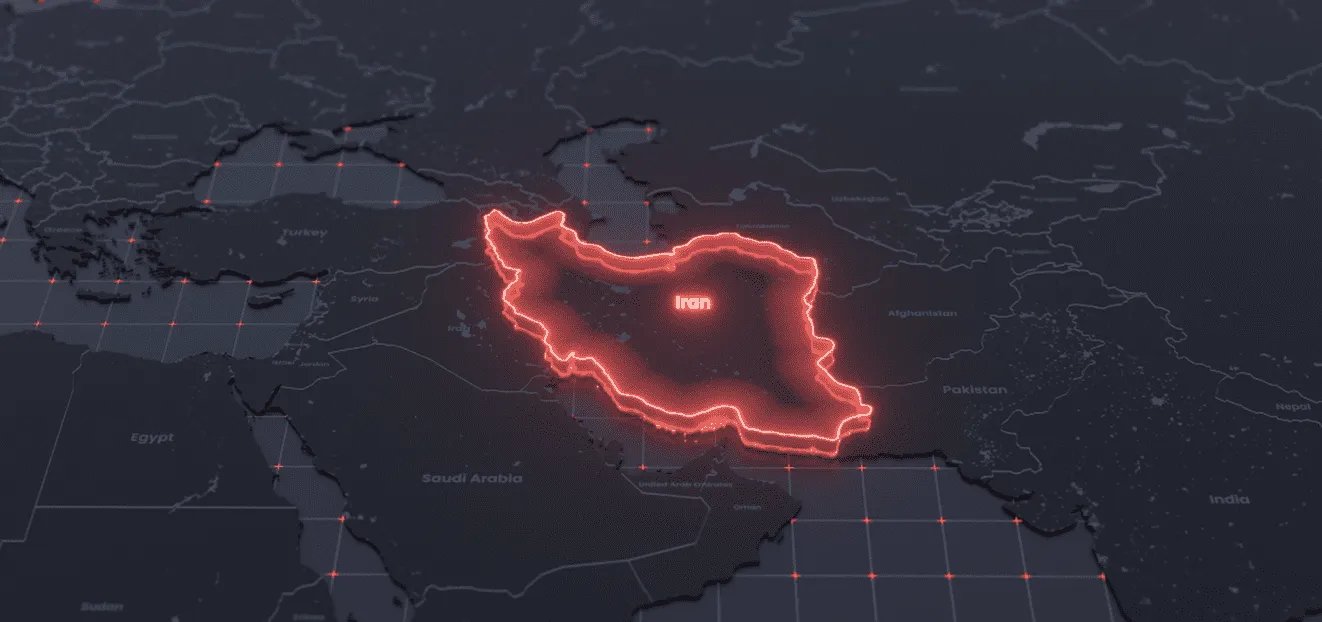
Brent crude hit $107.29 per barrel on March 23, 2026 -- its highest level of the year -- after Iran threatened indefinite closure of the Strait of Hormuz unless Western sanctions are lifted. This represents Tehran's most severe escalation since the 2019 tanker crisis, sending global energy markets into turmoil and pushing Vietnam's retail gasoline prices to 30,690 VND per liter.
Why Does Hormuz Matter?
The Strait of Hormuz, located between Iran and Oman, is just 33km wide at its narrowest point yet controls approximately 20% of global crude oil traffic. Each day, around 80 tankers transit the strait, carrying over 20 million barrels of oil from the Middle East's largest producers -- Saudi Arabia, UAE, Iraq, Kuwait, and Iran -- to consuming markets across Asia, Europe, and North America.
Any disruption at Hormuz would trigger an immediate supply shock in global oil markets. Unlike other shipping routes that can be rerouted, Hormuz has virtually no viable alternative for this volume of traffic. The trans-Saudi pipeline system has a maximum capacity of just 5 million barrels per day -- less than a quarter of Hormuz's throughput.
March Oil Price Analysis
Brent crude surged 18% in March 2026 alone, rising from approximately $90.80/barrel to $107.29. This represents the largest monthly increase since the Ukraine invasion of February 2022. WTI -- the US oil benchmark -- followed closely at $98.56/barrel, approaching the psychologically significant $100 mark.
According to ZestLab analysis, March's oil price surge reflects both supply factors -- the risk of Hormuz disruption -- and demand factors -- seasonal spring energy demand increases. Hedge funds have increased net long positions in crude oil to their highest level in 18 months, according to CFTC data.
Energy Price Comparison
| Commodity | Early March | March 23 | Change |
|---|---|---|---|
| Brent Crude | $90.80 | $107.29 | +18.2% |
| WTI Crude | $83.50 | $98.56 | +18.0% |
| VN RON 95 | 27,450 VND | 30,690 VND | +11.8% |
| VN Diesel | 24,890 VND | 27,360 VND | +9.9% |
| EU Nat. Gas | $3.20/MMBtu | $3.85/MMBtu | +20.3% |
March Escalation Timeline
US reinstates expanded Iran oil sanctions
Washington announced an expanded sanctions package targeting Iranian crude exports, banning international financial institutions from related transactions. Brent jumped 3.2% on the first trading session after the announcement.
-> Container shipping costs from the Middle East to Southeast Asia rose approximately 8% in the first week of March alone.
Iran launches naval exercises at Hormuz
The Islamic Revolutionary Guard Corps (IRGC) deployed over 50 fast-attack boats and anti-ship missile systems around the Strait of Hormuz. Maritime insurance providers tripled war-risk premiums for vessels transiting the strait.
-> International jet fuel prices surged 12%, prompting airlines worldwide to announce fuel surcharge increases.
US deploys additional carrier strike group to Persian Gulf
The US Navy dispatched the USS Nimitz carrier strike group to the Persian Gulf, raising the naval presence in the region to its highest level since 2020. NATO also declared readiness to provide support.
-> Brent crude crossed the $100/barrel mark for the first time since 2023, triggering automatic fuel price adjustments across Asia.
Iran threatens indefinite Hormuz closure
Iran's Foreign Minister declared at the United Nations that the Strait of Hormuz would be closed to all commercial vessels unless Western sanctions were lifted. This represented Tehran's strongest threat since the 2019 tanker crisis.
-> Oil prices jumped another 5% in a single session. Gasoline consumers in Vietnam faced the third fuel price hike of the month.
Brent hits $107.29 -- highest level of 2026
Brent crude reached $107.29/barrel while WTI followed at $98.56. Global energy markets experienced their highest volatility in three years. ASEAN nations held emergency consultations on contingency measures.
-> A motorbike commuting 30km daily in Vietnam now spends roughly 95,000 VND more on fuel this month compared to February.
Impact on Vietnam Fuel Prices
Vietnam imports approximately 70% of its petroleum needs, making domestic retail prices highly sensitive to global oil fluctuations. The Ministry of Industry and Trade adjusts fuel prices on 10-day cycles. With Brent's March surge, RON 95 gasoline has been raised three consecutive times, reaching 30,690 VND per liter -- the highest level since June 2022.
Global Shipping Disruption
The Hormuz crisis extends beyond oil prices to disrupt the entire maritime supply chain. War-risk insurance premiums for vessels transiting the strait have tripled during March. Several major shipping lines -- including Maersk and MSC -- have begun rerouting vessels around the Cape of Good Hope, adding 7-10 days to transit times.
Global airlines have also warned of fare increases due to soaring fuel costs. Vietnam Airlines and Vietjet Air have both announced fuel surcharge adjustments on international routes. Airfare from Vietnam to Europe is expected to increase 8-12% in Q2 2026.
Container shipping costs, up 15-20% since early March, are also putting pressure on import prices in Vietnam, particularly for manufacturing raw materials and consumer goods from the Middle East and Europe.
Comparison With the 2019 Tanker Crisis
| Factor | 2019 Crisis | 2026 Crisis |
|---|---|---|
| Peak Brent price | ~$72/barrel | $107.29/barrel |
| Threat level | Tanker attacks | Indefinite closure threat |
| US response | 1 carrier strike group | 2 carrier groups + NATO |
| Duration | ~2 months | Ongoing |
| VN fuel impact | Minor increase | 3 consecutive hikes |
References
- Reuters -- Oil surges as Iran threatens Hormuz closure, March 23, 2026
- Bloomberg -- Brent crude March 2026: Analysis and outlook, March 23, 2026
- VnExpress -- Vietnam gasoline prices rise for third time in March 2026, March 22, 2026
- CFTC -- Commitments of Traders report, week ending March 18, 2026