Balendra Shah Sworn In: Nepal's Rapper PM and Reform Vision
Balendra 'Balen' Shah, 35, has been sworn in as Nepal's 47th Prime Minister after his Rastriya Swatantra Party won 182 of 275 parliamentary seats — a landslide mandate that ends decades of revolving-door governments. The structural engineer turned rapper turned mayor now leads a nation where 35% of working-age citizens live abroad.
March 27, 2026182/275 seatsAge 35
182
RSP seats out of 275
35
Age — youngest PM in Nepal's history
47th
Prime Minister of Nepal
3x
Margin over ex-PM Oli in his constituency
Key Takeaways
Balendra Shah was sworn in as Nepal's 47th PM on March 27, 2026, leading a government backed by 182 of 275 parliamentary seats — the strongest mandate any Nepali leader has held since the country became a republic in 2008.
The Rastriya Swatantra Party (RSP), founded just four years ago as a Gen-Z anti-establishment movement, swept aside Nepal's entrenched political dynasties including the Nepali Congress and CPN-UML.
Shah defeated five-time PM KP Sharma Oli in Oli's own constituency by a 3-to-1 margin — a symbolic humiliation for the old guard that cemented the generational shift.
Nepal faces structural challenges: 35% of working-age citizens work abroad, remittances account for 25% of GDP, and per-capita income sits at roughly $1,300 — Shah's economic agenda will be measured against these baselines.
A 15-member cabinet has been finalized, blending technocrats and RSP loyalists — the youngest cabinet in South Asian history by average age.
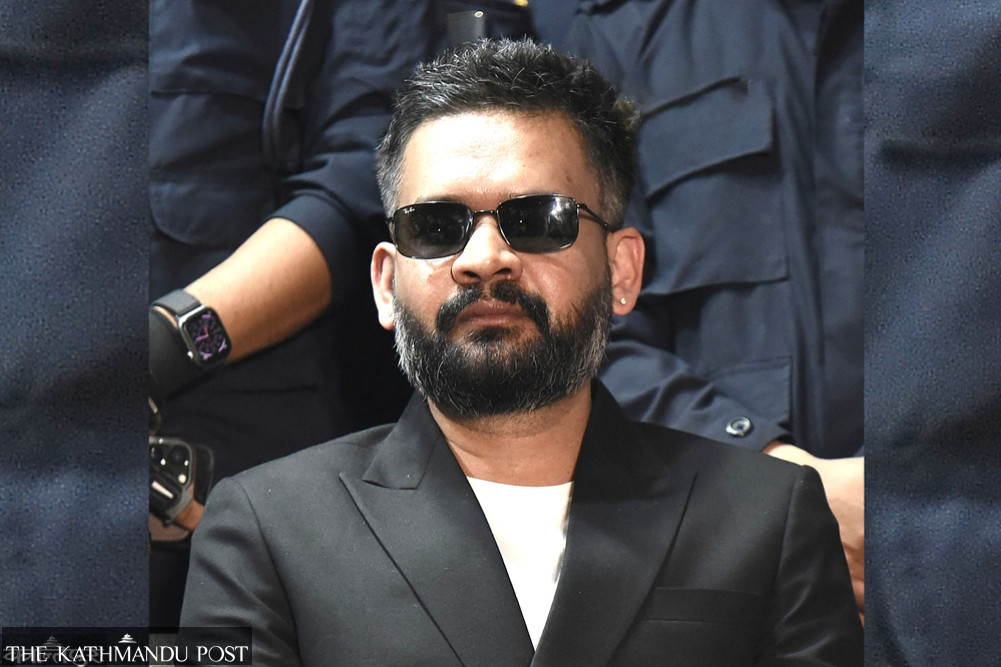
Photo: The Kathmandu Post
From Rap Battles to Parliament: The Rise of Balen Shah
Balendra Shah's political trajectory has no real precedent in South Asian politics. Born in Kathmandu in 1991, he earned a civil engineering degree from Tribhuvan University before gaining national fame as the rapper 'Balen' — his tracks criticizing corruption, nepotism, and political apathy amassed millions of views on YouTube and became anthems for Nepal's frustrated youth.
In 2022, Shah ran as an independent candidate for Mayor of Kathmandu Metropolitan City, bypassing every established party. He won decisively, becoming the first independent mayor in the capital's history. Over four years, he earned a reputation for hands-on governance: demolishing illegal encroachments on the Bagmati River, digitizing municipal services, and publicly confronting contractors who delivered substandard work.
The transition from city hall to national politics came via the Rastriya Swatantra Party, which Shah co-founded in 2022. RSP positioned itself as a technocratic alternative to the Nepali Congress and CPN-UML — parties that had traded power among the same families for three decades. The party's platform centered on anti-corruption, digital governance, and economic modernization, resonating powerfully with voters under 35 who make up over 60% of Nepal's electorate.
→ Shah's path — rapper, engineer, mayor, PM at 35 — is the most unconventional rise to power in modern Asian politics, comparable only to Zelensky's comedian-to-president arc in Ukraine.
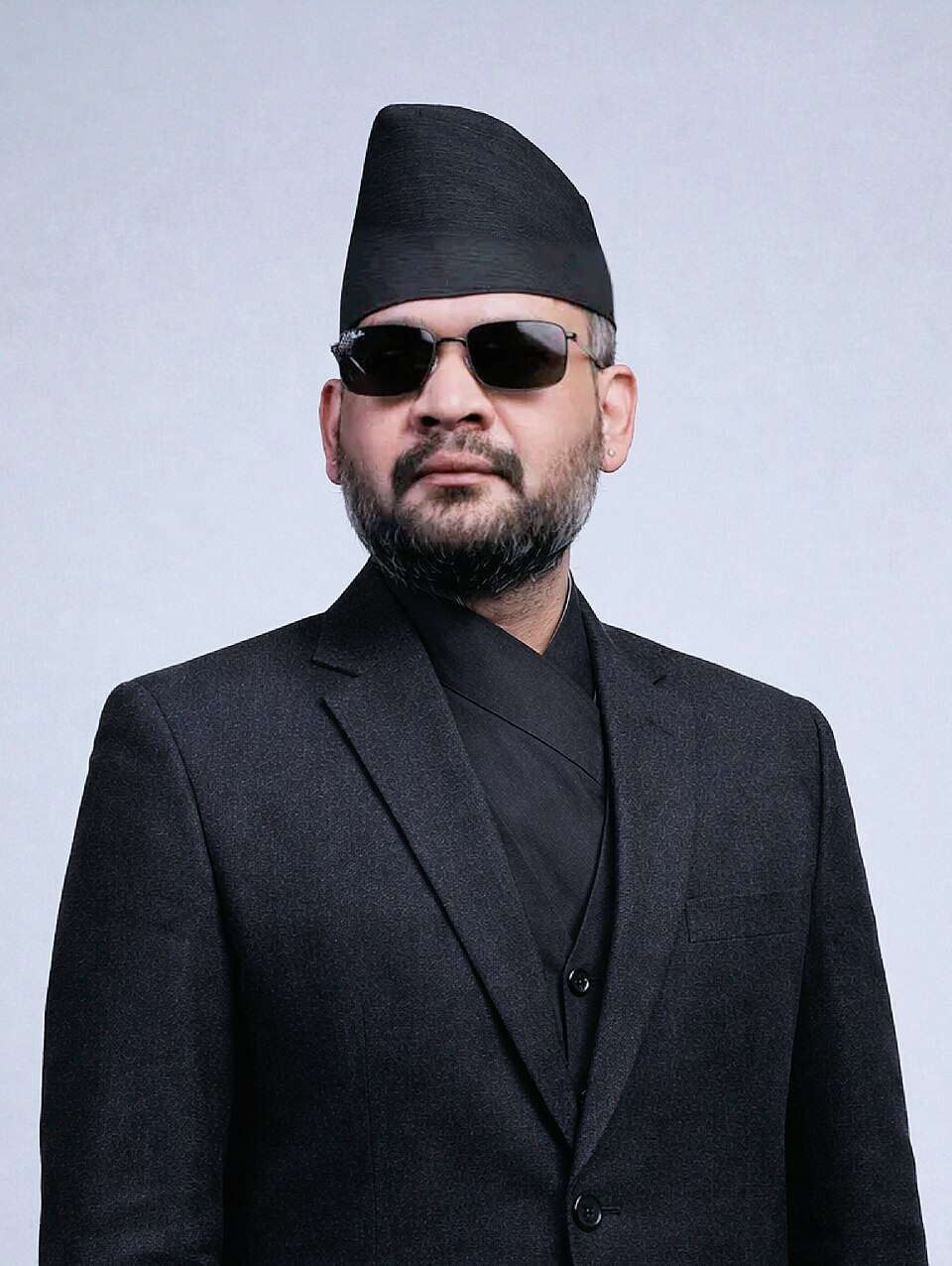
Photo: Wikimedia Commons
The Landslide: How RSP Swept Nepal's Old Guard
The March 2026 general election was a reckoning. RSP won 182 of 275 House of Representatives seats, shattering the two-party duopoly that had defined Nepali politics since the monarchy was abolished in 2008. The Nepali Congress was reduced to 42 seats; CPN-UML, led by the formidable KP Sharma Oli, collapsed to 31.
The most symbolic moment came in Oli's own constituency in Jhapa district, where Shah campaigned personally and won by a three-to-one margin. For a man who had served as PM five times and was widely considered the most powerful politician in Nepal, the defeat was devastating — and voters intended it to be.
RSP's campaign was built on three pillars: an anti-corruption pledge backed by Shah's track record in Kathmandu, a promise to digitize government services nationwide, and an economic plan focused on reducing dependency on remittances by creating domestic jobs in hydropower, tourism, and technology. The party spent a fraction of what established parties did, relying instead on viral social media campaigns and door-to-door canvassing by young volunteers.
→ RSP's 182-seat supermajority means Shah can pass constitutional amendments without coalition partners — a level of legislative power no Nepali PM has ever held.
Shah's Rise: Key Milestones
2017–2019
Rapper 'Balen' goes viral
Shah's rap tracks criticizing government corruption and inaction accumulate millions of YouTube views. Songs like 'Aalas' and 'Kalanki' become protest anthems for Nepal's Gen-Z.
→ For Nepali youth tired of the same promises from the same politicians, Balen's music channeled real anger into something cultural — a precursor to political mobilization.
May 2022
Elected Mayor of Kathmandu as independent
Running without any party backing, Shah wins the Kathmandu mayoral race decisively, becoming the capital's first independent mayor. Voter turnout among 18–25 year-olds surges to record levels.
→ The mayor's race proved that an outsider could beat the machine — a template Shah would scale nationally four years later.
2022–2026
Kathmandu transformation under Shah
As mayor, Shah demolishes illegal encroachments along the Bagmati River, digitizes municipal permits, and confronts contractors publicly. Kathmandu's municipal revenue doubles; citizen satisfaction polls reach 72%.
→ If you lived in Kathmandu between 2022 and 2026, you saw roads get paved, rivers get cleaned, and a mayor who actually showed up at construction sites — a novel experience.
Mar 2026
RSP wins 182/275 seats in general election
The Rastriya Swatantra Party sweeps the general election. Shah personally defeats ex-PM Oli in Jhapa by a 3-to-1 margin. Nepali Congress falls to 42 seats, CPN-UML to 31.
→ Nepal has had 46 PMs since independence — most lasted under two years. Shah's supermajority could break that cycle, or his inexperience at national level could continue it.
Mar 27, 2026
Shah sworn in as 47th Prime Minister
President Ram Chandra Poudel administers the oath of office at Sheetal Niwas. Shah announces a 15-member cabinet and outlines priority areas: anti-corruption, hydropower development, and labor migration reform.
→ At 35, Shah is younger than the average first-term MP in most democracies — his youth is either a feature (energy, fresh perspective) or a bug (limited diplomatic experience), depending on whom you ask.
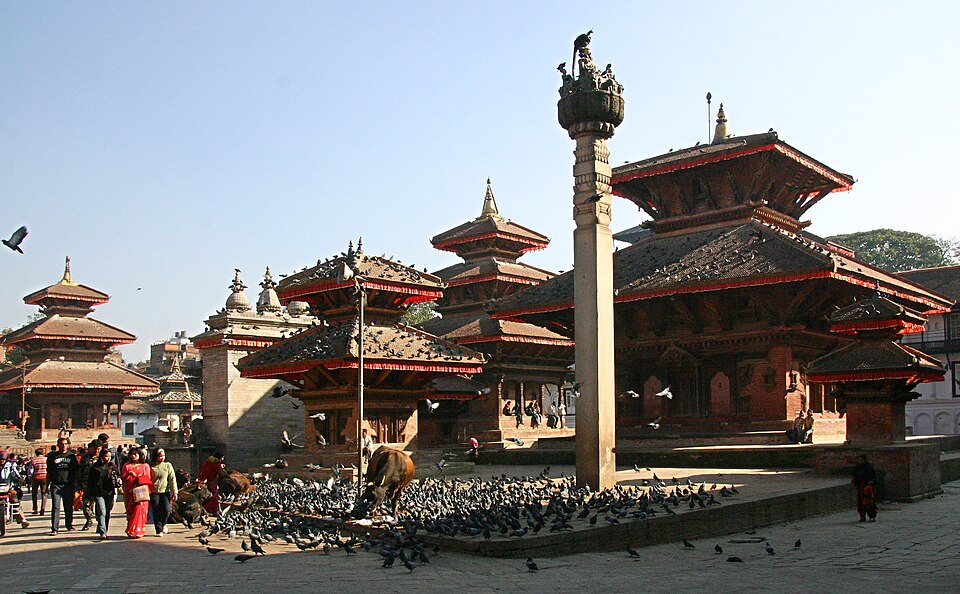
Photo: Wikimedia Commons
Nepal's Political Landscape: Before vs. After
The Challenges Waiting on Shah's Desk
Remittance Dependency
Remittances from Nepali workers abroad account for roughly 25% of GDP — the fifth-highest ratio globally. Shah has pledged to create 500,000 domestic jobs in hydropower and tourism within five years, but reducing structural dependency on Gulf labor markets will take a generation.
Hydropower Potential
Nepal has an estimated 83,000 MW of hydropower potential but has developed only 3,000 MW. Shah's plan to fast-track licensing and attract Indian and Chinese investment faces land acquisition disputes, environmental reviews, and cross-border transmission agreements with India.
India-China Balancing Act
Nepal is sandwiched between India and China — its two largest trading partners and aid donors. Every Nepali PM must navigate this geopolitical tightrope: leaning too close to either neighbor triggers backlash from the other. Shah's campaign promise of 'equidistant diplomacy' will be tested immediately.
Post-Earthquake Reconstruction
The 2015 earthquake destroyed 800,000 structures. Over a decade later, reconstruction remains incomplete in many rural districts. Shah's engineering background is relevant here, but the scale of rebuilding required far exceeds municipal-level project management.
We did not come to power to enjoy it. We came because the old system failed our generation, and we intend to build a new one.
What This Means for Nepal — and the Region
Shah's ascent is the most significant political disruption in South Asia since Modi's 2014 election. A 35-year-old rapper-engineer with no family political connections leading 30 million people sends a signal beyond Nepal's borders: dynastic, patronage-driven politics can be broken.
For India, Shah represents both opportunity and uncertainty. His 'equidistant diplomacy' pledge suggests Nepal may diversify beyond New Delhi's sphere of influence — potentially deepening Belt and Road ties with Beijing. Analysts are watching whether Shah's first foreign visit goes to Delhi or Beijing.
For the Nepali diaspora — 35% of working-age citizens sending money home from the Gulf, Malaysia, and South Korea — Shah's domestic jobs promise is existential. Deliver on hydropower and tech, and you reverse a generational brain drain. Fail, and the disappointment cuts deeper than anything the old guard produced.
→ If you're a Nepali worker abroad considering returning home, Shah's government is the first in decades to explicitly promise making that return viable — watch hydropower and tech announcements over the next 6 months.
world·balendra shah · balen shah nepal pm · nepal prime minister 2026 · rastriya swatantra party
Share
Related Topics
balendra shahbalen shah nepal pmnepal prime minister 2026rastriya swatantra partynepal election 2026nepal politicsnepal anti-corruptionbalen shah rapper
Stay on top of trends
Bookmark this page and check back often for the latest updates and insights.