Key Takeaways
- FY2027 defense budget hits $1.5 trillion, up 44% from ~$1T prior year, the largest since WWII.
- $65.8B for 34 new warships including a 'Trump-class battleship' and Virginia-class submarines.
- Golden Dome missile defense shield aims to protect the US homeland from ballistic missiles and hypersonic weapons.
- Military personnel receive a 5-7% pay raise, the largest in over a decade.
- Tradeoff: $73B in cuts to health research, K-12 education, and renewable energy. National debt of $39T continues expanding.
The $1.5 Trillion Proposal: Context and Scale
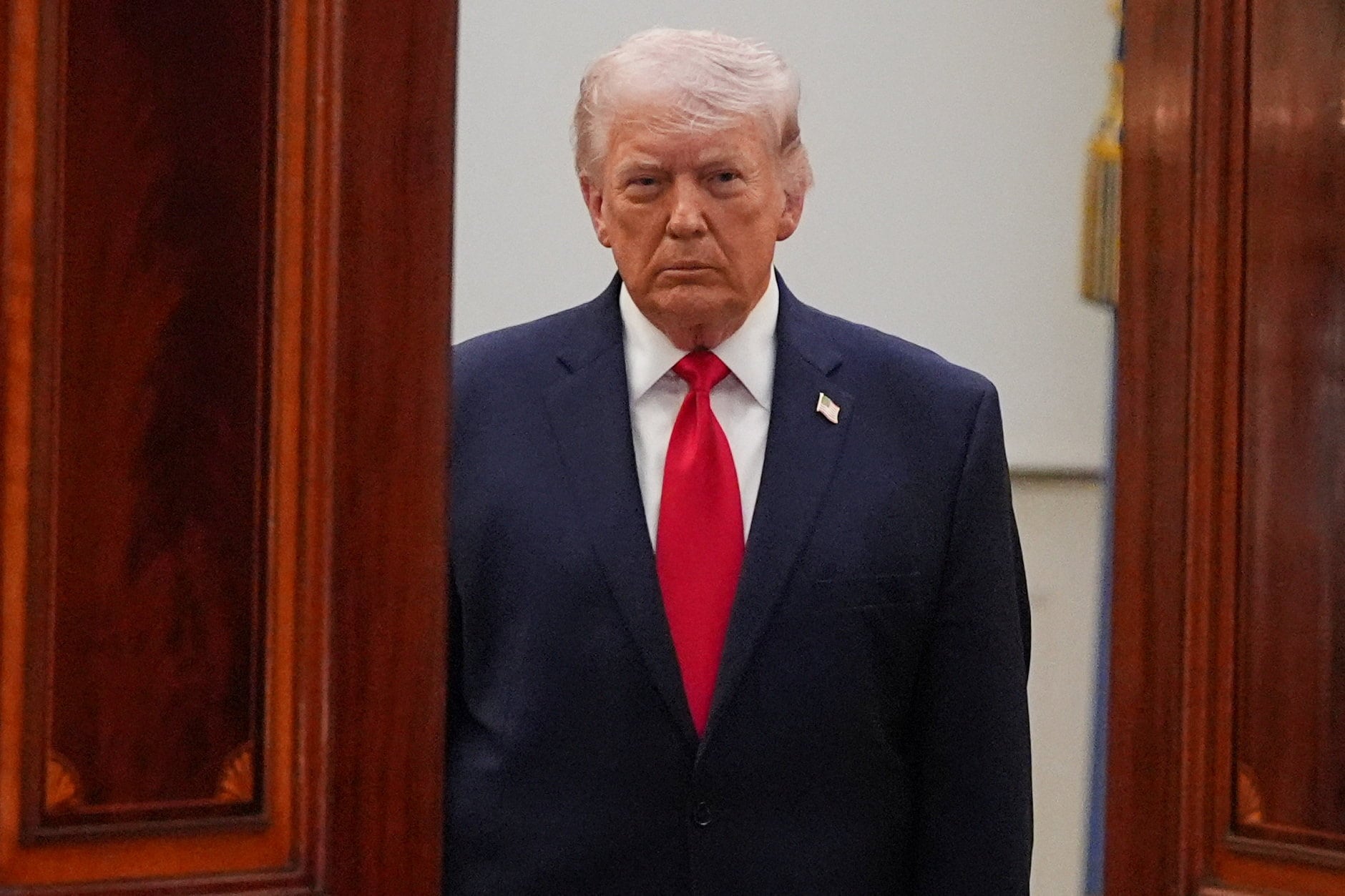
On April 3, 2026, President Trump unveiled his FY2027 budget proposal with approximately $1.5 trillion in total defense spending, a roughly 44% increase over the prior fiscal year's approximately $1 trillion level. The proposal consists of $1.1 trillion in regular defense appropriations and $350 billion through a budget reconciliation package, as reported by the Washington Post and NPR.
This represents the largest defense spending level as a percentage of GDP since World War II. For context, the US defense budget at the peak of the Cold War in the 1980s consumed roughly 6% of GDP, and this new proposal is estimated to approach that level. The budget also separately includes $200 billion for emergency operations related to Iran.
Every American citizen will bear roughly $4,500 in annual defense costs under the new budget, up from ~$3,000 previously.
$1.5 Trillion Defense Budget Breakdown
ZestLab analysis based on FY2027 budget data, April 2026
Naval Expansion: 34 Ships and the 'Trump-class Battleship'
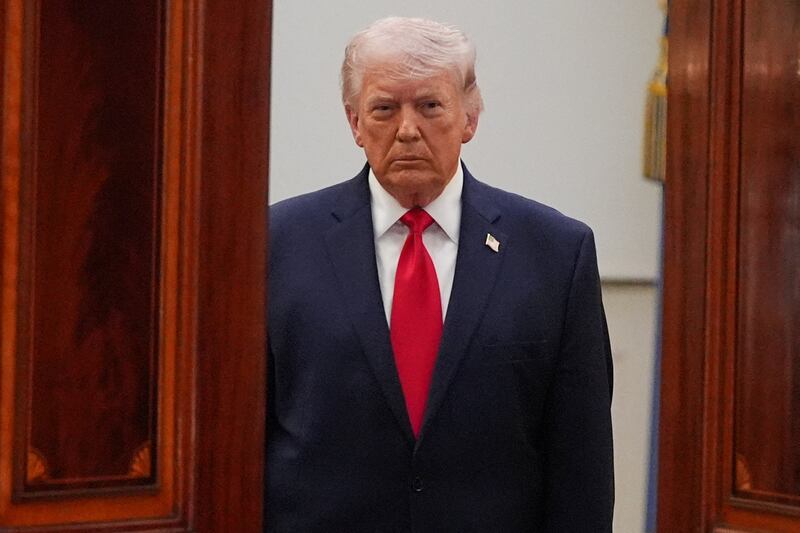
A centerpiece of the budget is $65.8 billion for 34 new ships, the largest US naval expansion since the Cold War. Highlights include a vessel designated the 'Trump-class battleship,' 8 Virginia-class attack submarines, 12 Arleigh Burke destroyers, and 6 amphibious assault ships. According to Military Times, the goal is to push the total active Navy fleet past the 350-ship mark.
The submarine component is particularly significant given Pacific competition. China has surpassed the US in total naval vessel count (370 versus 296 for the US as of early 2026), though the US maintains superiority in tonnage and combat capability. The new Virginia-class submarines will bolster underwater reconnaissance and strike capacity.
At $65.8B for 34 ships, each new warship costs nearly $2 billion on average, enough to build roughly 200,000 affordable homes in the US.
Naval Expansion Plan: 34 New Ships
$65.8B for the largest naval expansion since the Cold War
Golden Dome Shield and Military Pay Raise
The budget includes funding for the Golden Dome missile defense program, designed to create a comprehensive defense system for the US homeland. Inspired by Israel's Iron Dome, the Golden Dome is designed to intercept ballistic missiles, cruise missiles, and hypersonic weapons. The program will integrate radar, satellites, and ground-based and sea-based interceptor units.
Additionally, the budget proposes a 5-7% military pay raise, the largest in over a decade. With approximately 1.3 million active-duty service members and nearly 800,000 reservists, the pay increase aims to address an ongoing recruitment crisis. The US military has missed recruiting targets for three consecutive years.
If you are a US E-5 (Sergeant), a 5-7% base pay raise translates to roughly $2,400-$3,400 more per year before taxes.
$200 Billion for Iran Emergency Operations
The budget allocates a separate $200 billion for Iran-related emergency operations, outside of the regular defense budget. This figure reflects the scale of the escalating conflict in the Gulf region. The spending covers additional carrier strike group deployments, air operations, regional missile defense systems, and logistics support.
According to defense analysts, daily operational costs for the Iran campaign are estimated at $300-500 million, comparable to the Iraq War at its peak. This emergency funding falls outside normal debt ceiling caps, approved through supplemental appropriations mechanisms.
$200B for Iran ops is nearly 3x Vietnam's entire defense budget ($7.5B/year). Each day's $300-500M spending equals building roughly 1,000 schools in Vietnam.
The Tradeoff: $73 Billion in Domestic Cuts
To partially offset the massive defense spending increase, the budget proposes $73 billion in cuts to nondefense discretionary spending, approximately a 10% reduction. The hardest-hit areas include health research (NIH down ~$22B), K-12 education (down ~$18B), and renewable energy programs (down ~$14B).
Scientific organizations warn that a 28% NIH cut would suspend thousands of ongoing research projects, from cancer to Alzheimer's research. Similarly, K-12 education cuts would directly affect Title I programs supporting schools in low-income areas and reduce funding for STEM teacher programs.
If you are a researcher on NIH funding, a 28% cut could mean losing your project grant mid-study, affecting your entire research team.
Nondefense Budget Cuts: $73 Billion
ZestLab analysis: Estimated from FY2027 budget proposal
| Area | Cut | % Change |
|---|---|---|
| Health Research (NIH) | $22B | -28% |
| K-12 Education | $18B | -22% |
| Renewable Energy | $14B | -35% |
| EPA / Environment | $9B | -31% |
| Other Social Programs | $10B | -15% |
| Total Cuts | $73B | -10% |
If you have children in public school, the $18B K-12 education cut could directly impact STEM programs and school infrastructure at the district level.
National Debt Impact: $39 Trillion and Climbing
US national debt currently stands at approximately $39 trillion. Despite the $73B in domestic cuts, the $1.5 trillion defense budget combined with $200B in Iran emergency spending will continue pushing the deficit higher. According to CBO (Congressional Budget Office) estimates, interest payments on the national debt alone are approaching $1.3 trillion per year at an average interest rate of approximately 3.2%.
Critically, the interest cost on national debt ($1.3T/year) is approaching the entire regular defense budget ($1.1T). In other words, the US is spending nearly as much on debt interest as on defense. If interest rates rise by just one additional percentage point, interest costs would exceed the defense budget.
Every American citizen (including newborns) currently carries roughly $116,000 in national debt. Under the new budget, that figure grows by ~$1,500 each year.
US National Debt Impact Projector
US national debt currently stands at $39 trillion. The $1.5T defense budget adds an estimated ~$500B annual deficit above projected tax revenue.
ZestLab analysis based on CBO data, April 2026. Average interest rate 3.2%.
Global Implications and the Asia-Pacific
The $1.5 trillion defense budget sends a clear signal to strategic competitors. China, with a publicly stated defense budget of roughly $230 billion (though many analysts estimate the actual figure is double that), will need to reassess the force balance in the South China Sea and Taiwan Strait. The 34-ship naval expansion focuses heavily on Western Pacific deployment capability.
For ASEAN and Vietnam, this budget is a double-edged sword. On one hand, a stronger US military presence in the Pacific could counterbalance China and reduce South China Sea pressure. On the other hand, an arms race could destabilize the region, and massive US defense spending may create global economic pressure through rising public debt and higher interest rates.
If you follow the South China Sea situation, 34 new US warships (many slated for Pacific deployment) could shift the regional naval balance starting from 2028 onward.
References
- Washington Post — Trump Budget Proposes Massive Pentagon Defense Spending (April 3, 2026)
- NPR — Trump Budget: Defense Spending Surges to $1.5 Trillion (April 3, 2026)
- Military Times — Trump Budget Proposes Massive Defense Spending with 10% Cut to Other Programs (April 3, 2026)
- CBO (Congressional Budget Office) — National Debt and Interest Rate Projections, March 2026