FIFA Rejects Iran's Plea to Move World Cup Games from US
Iran requested FIFA relocate its matches in Los Angeles and Seattle to Mexico after US-Israel attacks on Iran. FIFA formally rejected the request on March 17 and demanded Iran play per the original schedule.
Geopolitical War Meets the World Cup Pitch
When the US and Israel launched a military campaign against Iran in early 2026, the prospect of the Iranian national team competing in Los Angeles and Seattle became politically unthinkable and a severe security concern.
Iran's sports minister argued that after the assassination of the country's supreme leader, no player could be asked to set foot on American soil. FIFA — an organization that always presents itself as apolitical — faced the greatest test of its neutrality in history.
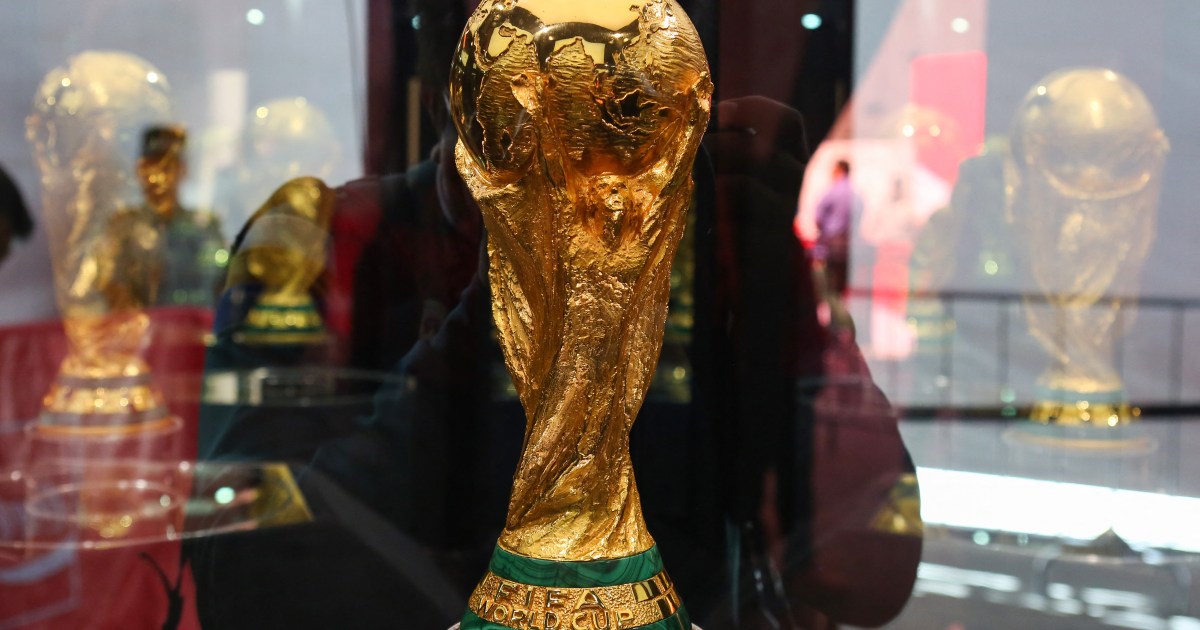
Photo: Al Jazeera / AFP — FIFA World Cup trophy 2026
5 Things to Know About the Iran–FIFA Crisis
Disputed Venues
Iran was assigned to play in Los Angeles and Seattle — two US cities while the two nations are in a state of war. This is an unprecedented geopolitical obstacle in World Cup history.
Iran's Request
Iran requested FIFA transfer all group stage matches to Mexico — a country with diplomatic relations with Iran, willing to host, and already equipped with World Cup infrastructure.
Mexico's Agreement
Mexican President Claudia Sheinbaum confirmed Mexico's willingness to host Iran's matches. This is the first time a World Cup host nation has offered to take additional matches for political humanitarian reasons.
FIFA's Rejection
On March 17, 2026, FIFA issued an official statement: the tournament will proceed as scheduled. No exceptions. FIFA directed Iran to negotiate visas and security directly with the US.
High Stakes
If Iran refuses to play, the team risks disqualification from the World Cup and future FIFA sanctions. No precedent exists in history for a similar situation.
Photo: Al Jazeera / Reuters — Iran football players in action 2026
Why Did FIFA Refuse Despite Knowing the Risks?
FIFA had signed contracts with stadiums, broadcasters, and sponsors years in advance. Changing venues would breach dozens of contracts and potentially trigger a global legal crisis.
If FIFA agreed to Iran's request, it would set a precedent for any tếam with a political dispute with a host nation to demand venue changes — destabilizing the future of international tournaments.
FIFA defines itself as an apolitical organization. Rejecting the venue change is consistent with this core principle — even if criticized as unrealistic in the context of armed conflict.
From Attack to FIFA Decision: Events Timeline
The Iran–FIFA crisis unfolded rapidly: from the early 2026 air strikes to FIFA's official decision in just a few weeks — leaving Iran in a precarious position on the eve of the World Cup.
US-Israel Military Campaign Against Iran
The US and Israel launch an air campaign against Iran, killing Iran's supreme leader. Geopolitical tensions reach a maximum, making it impossible for Iranian players to set foot on US soil.
Iran Formally Requests FIFA
Iran's sports minister sends a formal request to FIFA to relocate the group stage matches in Los Angeles and Seattle to Mexico — a country maintaining diplomatic relations with Iran and already equipped with World Cup infrastructure.
Mexico Expresses Willingness
Mexican President Claudia Sheinbaum publicly states that Mexico would be open to hosting Iran's matches. Guadalajara and Monterrey are cited as potential additional venues.
FIFA Formally Rejects Request
FIFA issues an official statement rejecting Iran's request, affirming all matches will proceed as originally scheduled across the three host nations — the US, Canada, and Mexico. FIFA directs Iran to engage directly with the US State Department.
World Cup Group Stage — Uncertain Future
Iran faces a binary choice: accept playing in the US under extremely complex security conditions, or refuse to participate and face disqualification along with subsequent FIFA sanctions.
What Options Does Iran Have?
With FIFA's decision in place, Iran now faces several scenarios, each carrying different consequences for the team, domestic sport, and international relations.
Iran negotiates with the US State Department on visas and special security guarantees, allowing the national team to compete. This is the scenario FIFA prefers.
Iran refuses to participate, leading to elimination from the World Cup and potential FIFA sanctions. This is the worst outcome for both sides but may become reality if negotiations fail.
An off-script arrangement emerges — possibly through international mediation — allowing Iran to compete under special conditions negotiated bilaterally between Iran and relevant parties.
Photo: Goal.com / Getty Images — Iranian football team
"The Iranian squad consists of professional players who have dedicated their careers to national football. They do not deserve to face this impossible situation — where personal security and duty to country are placed in direct conflict." — International sports law expert
Frequently Asked Questions About the Iran–FIFA Crisis
Read more: FIFA World Cup 2026 countdown and World Baseball Classic 2026.
▸ If Iran is disqualified from the World Cup, Vietnam's national team could benefit from reshuffled Asian qualifying group draws.
▸ Moving matches from LA to Mexico could save fans 30-50% on tickets and accommodation compared to US host cities.