
Photo: Thanh Nien
Key Takeaways
- ▸Brent crude surged 7-8 USD/barrel (+8%) after 21-hour US-Iran talks collapsed in Islamabad.
- ▸Trump declared a Hormuz Strait naval blockade, threatening 20% of global oil supply.
- ▸Vietnam domestic prices remain unchanged: RON 95 at ~24,500 VND/liter (government-controlled).
- ▸Next price review in 7-10 days, projected increase of 500-700 VND/liter.
- ▸The stabilization fund is partially depleted, limiting the government's buffer capacity.
Vietnam Fuel Prices — April 13, 2026
According to the Ministry of Industry and Trade and major fuel distributors (Petrolimex holds ~50% retail market share), domestic fuel prices remain at levels lower than the previous adjustment period thanks to the government's regulatory mechanism.
Source: Thanh Nien, Ministry of Industry and Trade — April 13, 2026. Prices may vary slightly by region.
World Oil Shock: Brent Surges Past $115/barrel
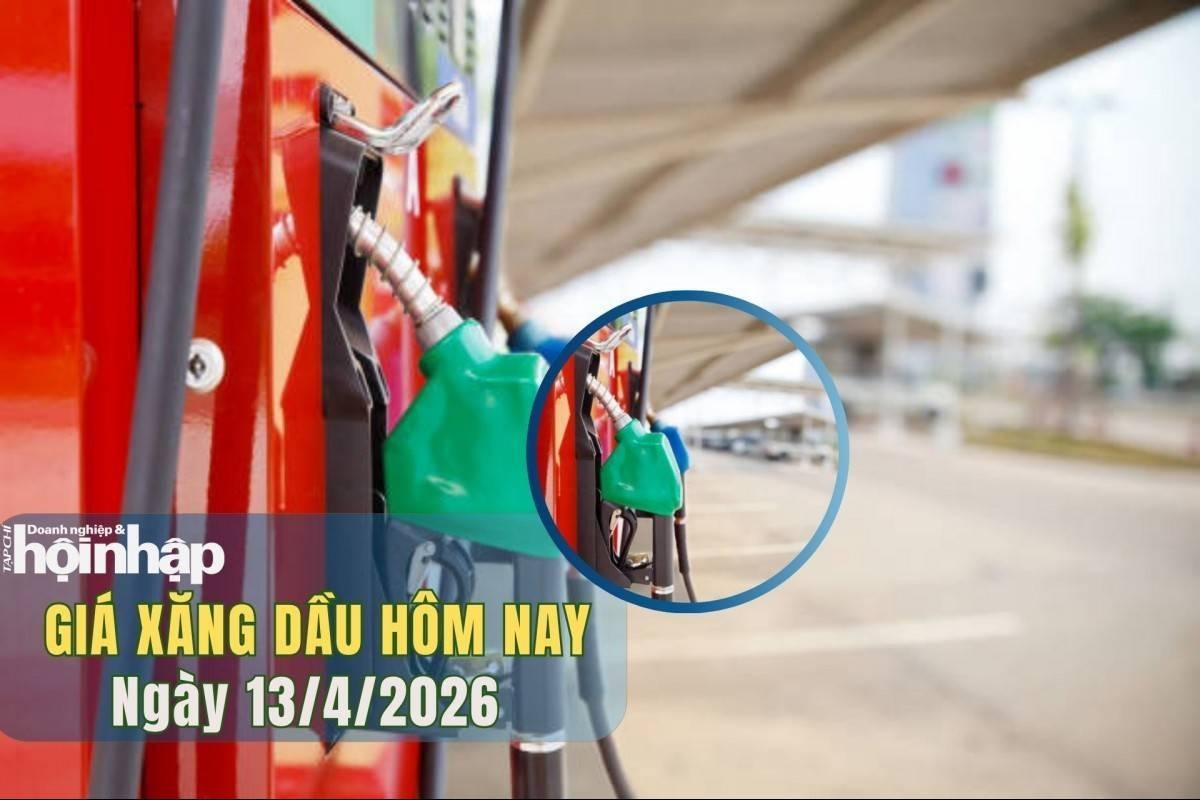
Photo: Doanh Nghiep Hoi Nhap
During the April 13, 2026 trading session, Brent crude surged 7-8 USD/barrel, an increase of approximately 8%, pushing past the $115/barrel threshold. This represents the largest single-session gain since early 2026.
The primary driver was the collapse of US-Iran nuclear talks in Islamabad after 21 tense hours, combined with President Trump's simultaneous declaration of a Hormuz Strait naval blockade. These twin events created a double shock for global energy markets.
→ At $115 Brent, Vietnam's fuel import costs rise by an estimated 800-1,000 billion VND/month. ZestLab analysis.
Hormuz Blockade: Why It Matters Even Though Vietnam Doesn't Import from Iran
The Hormuz Strait is a critical maritime chokepoint carrying approximately 20% of the world's crude oil shipments. Although Vietnam imports oil primarily from the Middle East (but not Iran), global crude price fluctuations directly affect import costs and domestic retail prices.
→ For every $5 increase in world crude, Vietnamese consumers may pay ~600 VND/liter more at the pump. ZestLab analysis.
Vietnam's Fuel Price Control Mechanism
Unlike many free-market economies, Vietnam employs a fuel price management system overseen by the Ministry of Industry and Trade and the Ministry of Finance. Prices are reviewed and adjusted every 7-10 business days, helping shield consumers from severe price shocks.
Next Adjustment Forecast
With Brent at ~$115/barrel and the upward trend showing no signs of slowing, the next fuel price adjustment (expected April 17-20, 2026) is highly likely to register a significant increase. Projections:
* ZestLab projection based on April 13 Brent prices. Actual prices depend on market conditions.
→ A motorbike using 2L/100km driving 30km/day: extra ~9,000-12,600 VND/month. A car using 8L/100km driving 40km/day: extra ~48,000-67,200 VND/month.
How Much More Will You Pay?
Enter your daily driving distance and vehicle fuel consumption to calculate the extra monthly cost if fuel prices rise by ~600 VND/liter.
How much more will you pay?
* Estimate based on projected ~600 VND/liter increase at next adjustment. ZestLab analysis.
Stabilization Fund: How Much Is Left?

Photo: Thanh Nien
The Fuel Price Stabilization Fund (BOG) is the government's primary tool for buffering price volatility. However, after months of elevated global oil prices, the fund has been continuously drawn upon and is now partially depleted.
This means that if oil prices continue surging (a prolonged Hormuz blockade scenario), the government will have less room to keep domestic prices low. Consumers should prepare for the possibility of gradual fuel price increases in upcoming adjustment periods.
→ If the BOG fund is fully depleted, RON 95 could increase by as much as 1,500-2,000 VND/liter in the next adjustment if Brent hits $120+.
Impact on Logistics and Consumer Goods Prices
Fuel accounts for 30-40% of transportation costs. When oil prices rise, logistics costs follow, pushing consumer goods prices higher — especially food, construction materials, and imported goods.
→ Pork prices in Saigon markets could rise by 3,000-5,000 VND/kg within 2-3 weeks if oil prices don't cool down. ZestLab analysis.
References
Related Articles
Frequently Asked Questions
More from this topic— Vietnam Fuel Prices 2026: Live RON 95 & Diesel | ZestLab
Related Topics
Stay on top of trends
Bookmark this page and check back often for the latest updates and insights.