Trump Waives Jones Act for 60 Days Amid Oil Crisis
President Trump issued a 60-day Jones Act waiver allowing foreign ships to transport oil between US ports, as Brent crude hit $103/barrel during the Iran conflict.
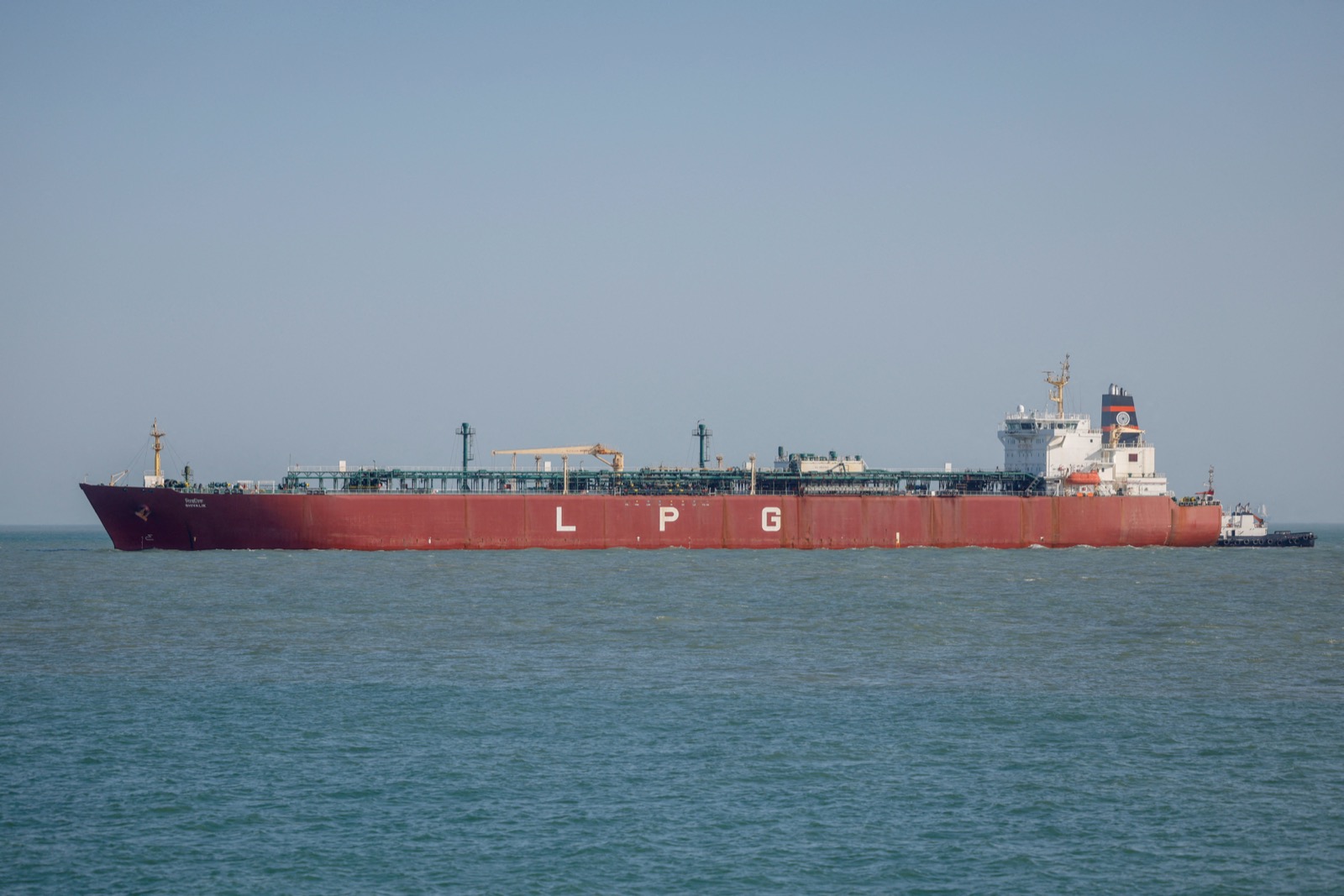
The Oil Crisis and the Waiver Decision
On March 18, 2026, President Trump signed a 60-day waiver of the Jones Act, allowing foreign-flagged vessels to transport oil between US ports. The decision came as Brent crude reached nearly $103 per barrel, up $31 from the same period last year, as the Iran-Israel military conflict threatened oil supply through the Strait of Hormuz.
The Jones Act, in effect since 1920, requires all goods shipped between US ports to use American-built, American-flagged vessels with American crews. This regulation has made domestic shipping costs 3 to 5 times higher than international rates. The temporary waiver aims to reduce fuel price pressure on consumers.
However, experts note the actual impact of the waiver will be limited. Domestic shipping costs represent only a small fraction of gas prices, and the waiver may only reduce prices by 3 to 10 cents per gallon. The primary driver of high oil prices remains the Iran conflict and the risk of a Strait of Hormuz closure.
Maritime Industry Opposition
American maritime industry groups, shipbuilders, and several labor unions have strongly opposed the waiver decision. They argue that even temporary waivers undermine national security by weakening the domestic merchant fleet capacity and reducing the number of trained American mariners.
Currently, the Jones Act fleet has shrunk to approximately 90 vessels, down significantly from over 250 in the 1980s. Shipbuilders warn that waivers further discourage investment in new vessels, continuing to shrink the domestic fleet at the time America needs it most.
"Waiving the Jones Act sends the wrong signal that America is willing to sacrifice long-term maritime capability for short-term, negligible fuel price relief."
Strait of Hormuz: The Global Chokepoint
The Strait of Hormuz, a narrow waterway between Iran and Oman, sees approximately 20% of the world's daily oil supply pass through it. Iran has threatened to close or disrupt shipping through the strait in retaliation for Israeli military strikes on Tehran. Any significant disruption could push oil prices to $150 per barrel or higher.
This threat is the primary driver behind the global oil price surge that led to the Jones Act waiver. While the waiver only addresses domestic shipping logistics, the real crisis stems from the risk of international supply disruption at the world's most critical chokepoint.
▸ A 60-day Jones Act waiver could lower gas pump prices by 10-15 cents/gallon -- saving the average US driver ~$5-7/month
Related: 2026 oil price spike and Iran-Tehran tensions.
References
- CNBC — Trump waives Jones Act for 60 days amid Iran war and rising oil prices, March 2026
- Al Jazeera — Trump temporarily waives century-old shipping law amid rising fuel costs, March 2026
- NPR — Gas prices: Will the Jones Act waiver actually bring relief?, March 2026
Frequently Asked Questions
The most common questions about the Jones Act waiver and its impact on oil prices.
More from this topic— Vietnam Fuel Prices 2026: Live RON 95 & Diesel | ZestLab
Explore ZestLab Tools
Related Topics
Stay on top of trends
Bookmark this page and check back often for the latest updates and insights.