Iran War Day 39: Iran Rejects 45-Day Ceasefire as Trump's Mi
Iran rejected a 45-day ceasefire proposal on April 7, 2026 as Trump set an 8PM deadline to reopen the Strait of Hormuz or face strikes on power plants and
Iran formally rejected a 45-day ceasefire proposal on the morning of April 7, 2026, hours before US President Donald Trump's 8PM ET deadline for Tehran to reopen the Strait of Hormuz. At the same time, Major General Majid Khademi, head of IRGC Intelligence, was killed in Israeli airstrikes on Tehran.
Key Takeaways
- Iran rejected the 45-day ceasefire brokered by Egypt, Pakistan and Turkey; Tehran insists on a permanent end to the war.
- Trump set an 8PM ET deadline on April 7 for Iran to reopen the Strait of Hormuz or face strikes on power plants and bridges.
- Major General Majid Khademi, IRGC Intelligence Chief, was killed by an Israeli airstrike on Tehran on April 6.
- WTI crude surged past $114/barrel, Brent above $111, Russian Urals at $121.17, pushing energy import costs higher worldwide.
- UAE air defenses intercepted 12 ballistic missiles, 2 cruise missiles and 19 drones overnight on April 6-7.
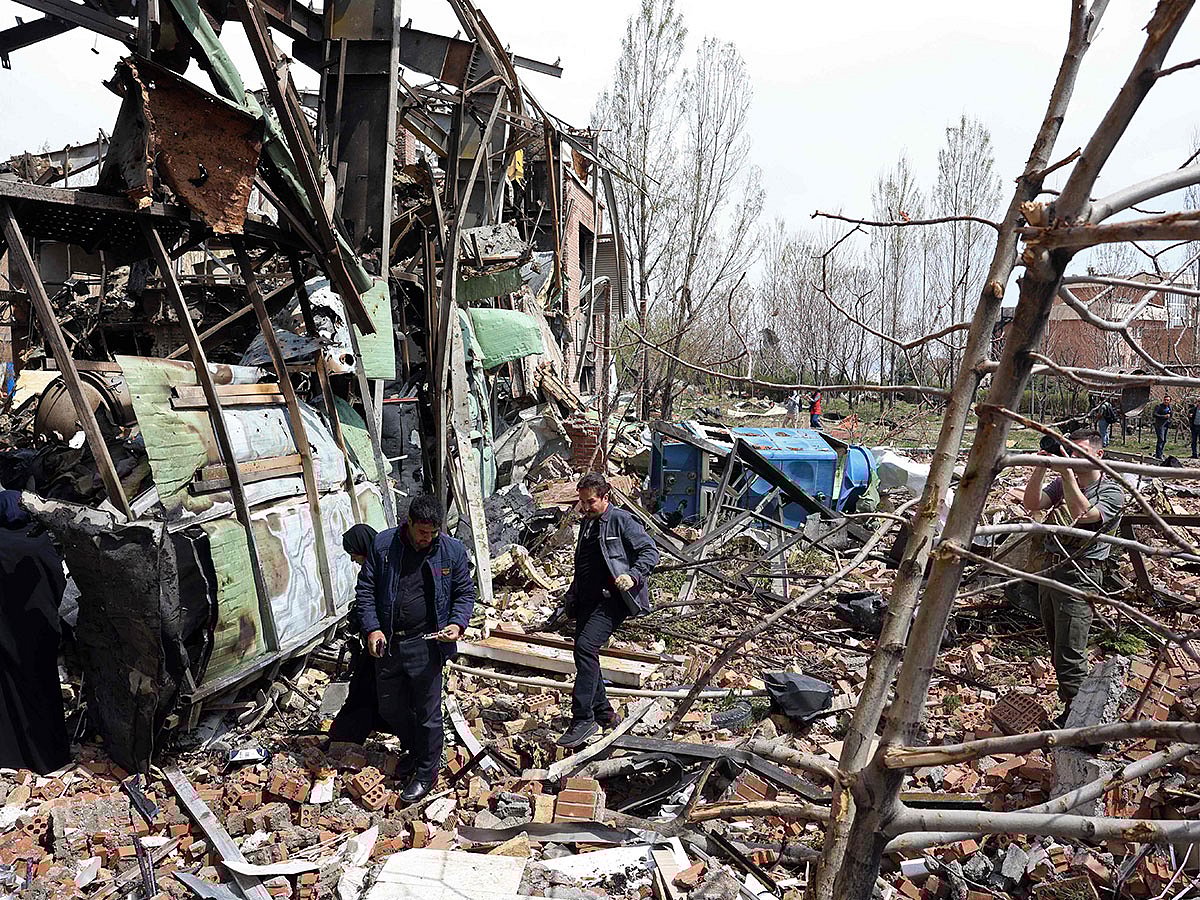
1. Trump's 8PM Deadline
In the early hours of April 7, 2026 Washington time, President Donald Trump posted on Truth Social that Iran had until 8PM that night to reopen all commercial shipping through the Strait of Hormuz. Otherwise, he warned, he would order the US Air Force and the Israeli navy to hit Iran's remaining power plants, bridges and refineries. In a stark statement at the White House, Trump put it bluntly: “If they don’t open up Hormuz, they’re going to be living in Hell — that’s a promise, not a threat.”
This is the third public ultimatum Trump has issued in the 39-day war. The previous two (on Day 12 and Day 28) were ignored by Tehran, prompting Washington to expand its target list. According to Gulf News, the Pentagon has repositioned the USS Gerald R. Ford carrier group to the Gulf of Oman in the 48 hours before the deadline.
2. The Rejected 45-Day Ceasefire
The 45-day ceasefire proposal was presented in Doha on April 5 by Egypt, Pakistan and Turkey, according to Al Jazeera. The plan had three parts: (1) halt all US and Israeli airstrikes for 45 days, (2) Iran commits not to blockade Hormuz during that period, and (3) nuclear negotiations restart in Geneva. Supreme Leader Ayatollah Ali Khamenei rejected the proposal through his spokesman, saying Iran “will not accept a temporary pause only to be hit again” and demanding a permanent end to the war. Trump’s response was immediate: “The proposal was not good enough.”
Both sides rejecting a mediated deal is the most serious escalation signal since the war began. The full context is being tracked in the US-Iran Conflict hub on ZestLab.
US & Israel
- 06/04 · 02:14 (Tehran)Israel strikes Baharestan district, Tehran
- 06/04 · 09:30Israel hits Bandar Abbas petrochemical cluster
- 06/04 · 18:05US redeploys USS Ford to Gulf of Oman
- 07/04 · 04:12 (ET)Trump announces 8PM deadline
- 07/04 · 07:00 (ET)Israel strikes two airports near Tehran
Iran & Region
- 06/04 · 03:48IRGC confirms General Khademi killed
- 06/04 · 11:10Iran fires ballistic missile salvo at Haifa
- 06/04 · 23:45UAE intercepts 12 ballistic, 2 cruise, 19 drones
- 07/04 · 06:20Khamenei formally rejects 45-day ceasefire
- 07/04 · 08:15IRGC Navy steps up Hormuz patrols
3. General Khademi Killed: Why It Matters
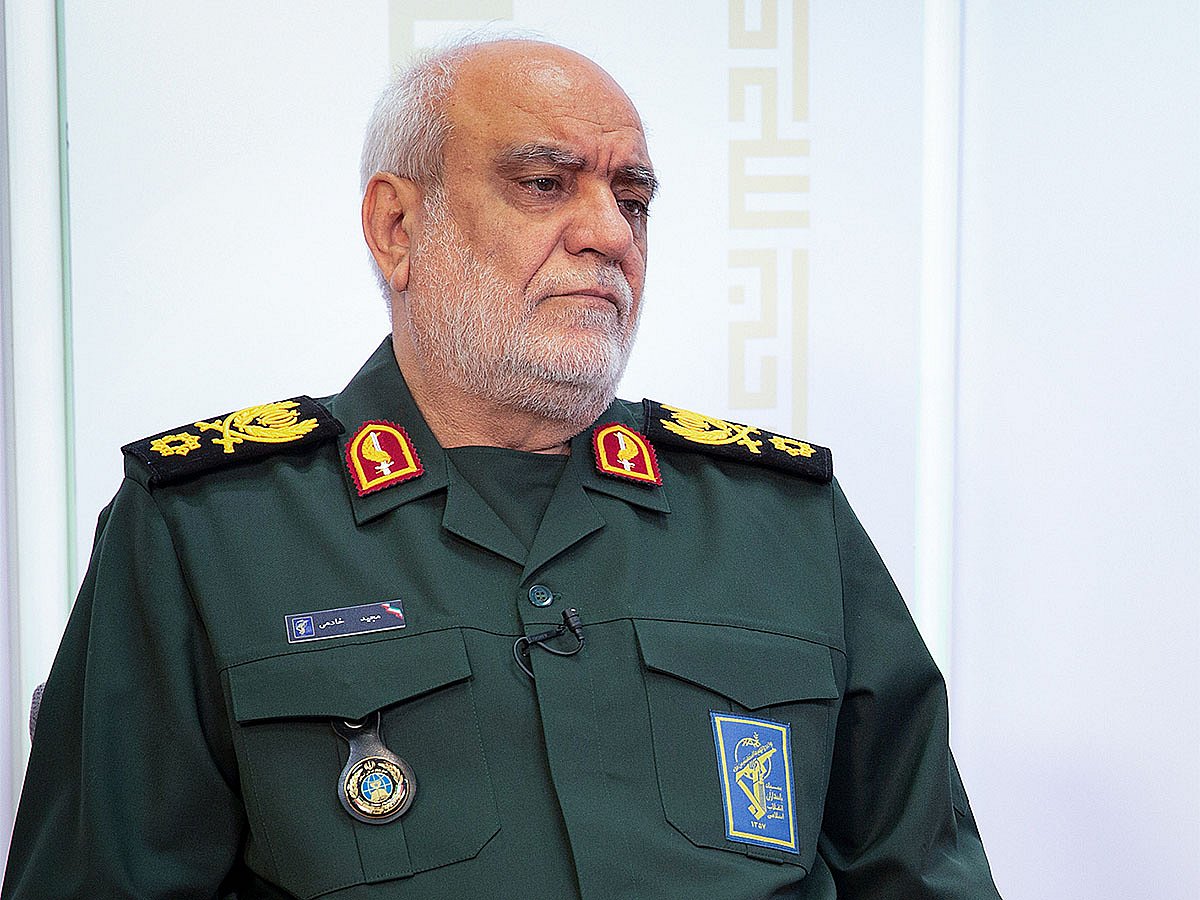
Major General Majid Khademi is the third senior IRGC commander killed since the start of the war. As head of IRGC Intelligence since 2022, Khademi oversaw cross-border operations in Iraq, Syria, Lebanon and Yemen. According to NPR, his death was confirmed by the IRGC hours after an Israeli airstrike in the Tajrish district of north Tehran. US intelligence sources cited by Gulf News called it an “irreplaceable loss” for Iran’s intelligence apparatus.
Taking out a general-rank intelligence chief means Israel has penetrated IRGC internal comms, something only possible after months of infiltration. ZestLab analysis: expect retaliation within 72 hours, either through overseas assassination attempts or a significantly larger ballistic missile salvo.
4. Civilian Casualties in Tehran
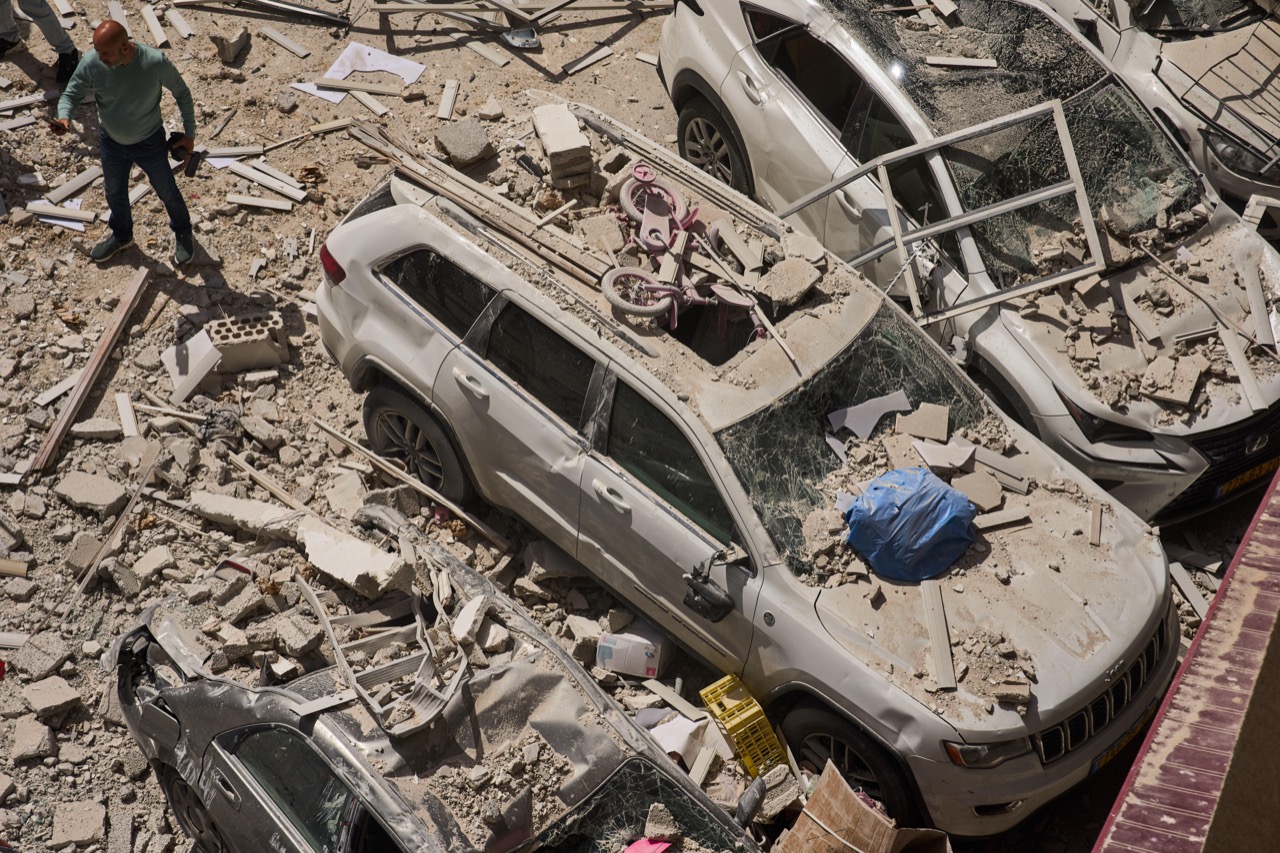
The pre-dawn strike on April 6 hit an apartment complex in Baharestan county, south of Tehran. Iranian state media confirmed at least 14 civilian deaths including 4 children; Imam Khomeini Hospital treated more than 60 wounded. On the Israeli side, an apartment block in Ramat Gan, a Tel Aviv suburb, was struck by an Iranian missile. It is a rare photographic record of simultaneous civilian losses on both sides after 39 days of war.
5. Oil Markets: WTI $114, Brent $111
WTI May futures passed $114/barrel on April 7, up 6.8% in a single session, the biggest intraday move since 2008. Brent hit $111.40. Russian Urals, typically sold at a discount, surged to $121.17/barrel as buyers scrambled for alternatives to Gulf supply. Oil hedge funds now hold a record 680,000 long futures contracts. JP Morgan warns that a full Hormuz closure could push Brent to $160–180/barrel within two weeks.
Impacts for Vietnam can be tracked in parallel on Strait of Hormuz Oil Crisis 2026 and the Vietnam fuel prices hub.
6. UAE Air Defenses Intercept Missiles and Drones
Overnight on April 6-7, UAE air defenses, combining US THAAD batteries with Israel’s Barak MX system, shot down 12 ballistic missiles, 2 cruise missiles and 19 drones launched from Houthi and Quds Force-controlled zones. It was the largest combined strike on UAE since 2022. The UAE Interior Ministry confirmed no civilian casualties, though an industrial facility at Ruwais took minor damage.
7. Israeli Targets: Petrochemicals, Airports, Suburbs
Over the past 24 hours, the Israeli Air Force has hit the Bandar Abbas refining cluster, processing about 1.2 million barrels/day or 40% of Iran’s refining capacity, plus Tehran’s Mehrabad and Payam airports. Strikes also targeted LNG storage at Asaluyeh. Israel officially confirmed 47 targets hit. Iran claims it shot down three Israeli F-35s; Israel denies it.
8. Mediators: Egypt, Pakistan, Turkey
Cairo, Islamabad and Ankara keep the backchannel open but admit the 45-day plan is “clearly dead,” an Egyptian diplomat told Reuters. Pakistan has floated bringing Saudi Arabia in as a fourth mediator to put more weight on Tehran, but Riyadh remains publicly neutral. Turkey warned that a full Hormuz closure would hit Ankara hard given its dependence on Iraqi and Iranian crude.
9. The Strait of Hormuz: What It Means for Vietnam
Roughly 21% of global oil consumption transits the Strait of Hormuz. Vietnam imports crude mainly from Kuwait, Malaysia and Russia, but pump prices are anchored to Brent, so any surge feeds through almost immediately. Vietnam’s Ministry of Industry and Trade held an emergency meeting on the afternoon of April 7 to consider tapping the Price Stabilization Fund, currently at around 4,700 billion VND, to cushion consumers.
10. What Happens After the Deadline?
Three main scenarios are being tracked by military analysts. Scenario 1 (35% odds): Iran makes a tactical concession, partially reopening Hormuz to avoid a major bombing campaign. Scenario 2 (45%): US and Israel hit hard infrastructure, such as the Karun-3 dam and power plants around Isfahan. Scenario 3 (20%): Iran mines Hormuz and unleashes anti-ship missiles, triggering a direct naval clash between the US Navy and IRGC Navy. In any scenario, oil prices are likely to stay above $100 for weeks.
References
- Gulf News — US-Israel War on Iran Day 38: Trump Sets Hormuz Deadline — 2026-04-06
- Al Jazeera — Iran War Day 38: What is Happening — 2026-04-06
- NPR — Iran Rejects US Ceasefire Plan — 2026-04-06
Frequently Asked Questions
More from this topic— US-Iran Conflict
Related Topics
Stay on top of trends
Bookmark this page and check back often for the latest updates and insights.