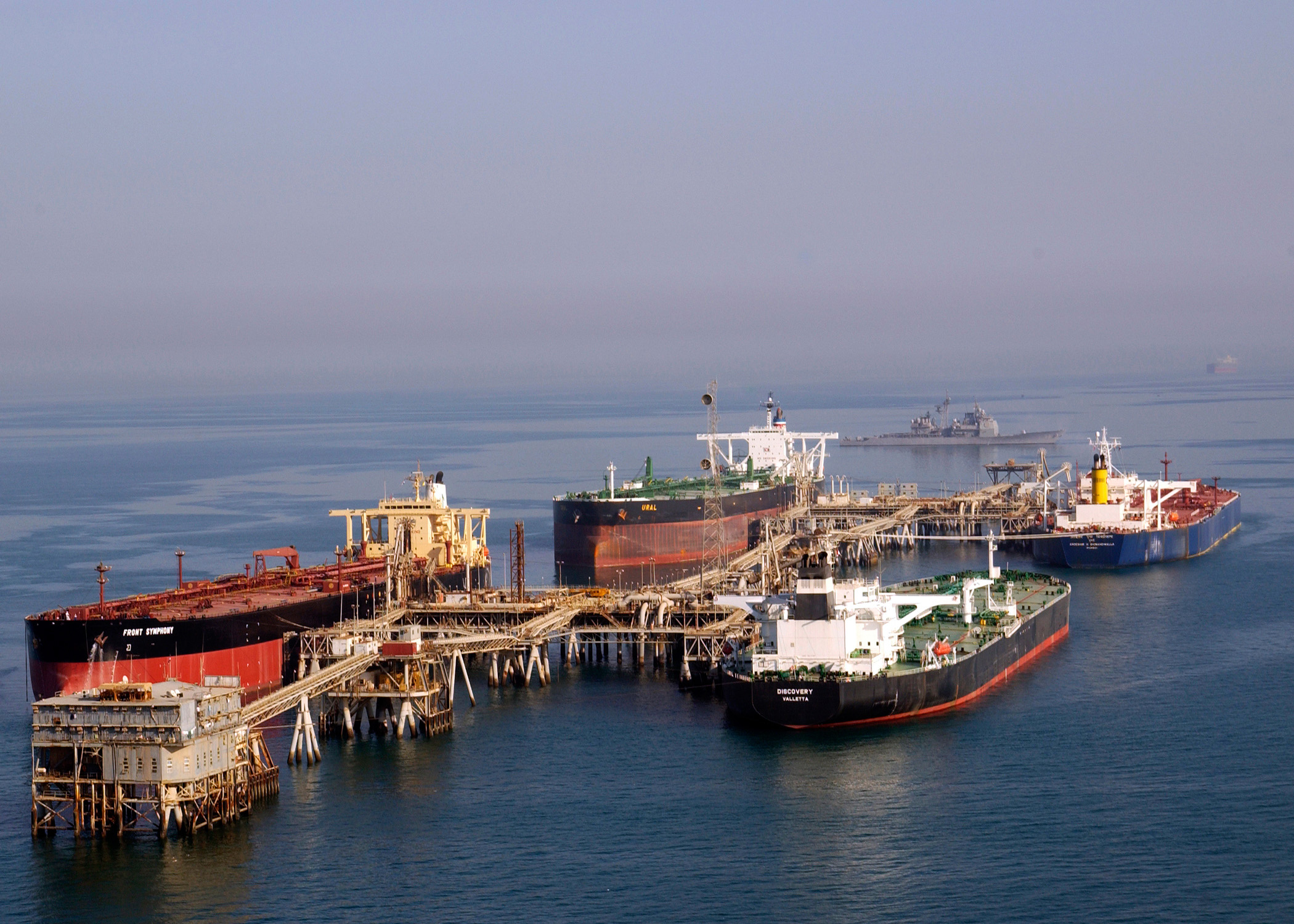
Photo: Reuters — Strait of Hormuz Crisis 2026 — the world's critical oil transit chokepoint
Why the Strait of Hormuz Is the World's Jugular Vein
The Strait of Hormuz is the narrow waterway connecting the Persian Gulf to the Gulf of Oman and the Arabian Sea. At its narrowest point — just 21 miles wide — it transports approximately 17–18 million barrels of oil per day, representing roughly 20% of the entire world's oil supply. Qatar, Saudi Arabia, and the UAE depend on this passage for natural gas and crude oil exports. No alternative route can absorb this volume at short notice.
Strait Dependency Index
From Air Strikes to Strait Closure
Day-by-day crisis escalation — March 2026
US-Israel Air Strikes
Joint military strikes target Iran's nuclear and military infrastructure, triggering the largest Middle East escalation in years.
Hormuz Closure Announced
Iran announces restrictions on tanker traffic through the Strait of Hormuz. Brent crude immediately surges 13% to above $82/barrel.
18,000 Flights Cancelled
Middle East airspace closes. Over 18,000 flights cancelled globally — air cargo routes worth $8 trillion annual trade disrupted.
EU Rejects Military Call
Germany's FM Wadephul: 'no intention of joining military operations.' UK PM Starmer: UK 'would not be drawn into the wider war.'
War-Risk Premiums Spike
Marine insurance war-risk premiums rise 340%. Ships from non-approved countries effectively barred by prohibitive costs.
US Allows Iranian Tankers
Despite the standoff, US signals it is allowing Iranian oil tankers transit — a strategic contradiction that confuses allies.
China Supertanker Sails
Iran grants 'safe passage' to Chinese supertanker. Beijing's independent route confirmed — energy diplomacy at full speed.
Brent Crude Surges 13% to $82+ in a Single Day
On March 2, 2026, as news of Iran's Hormuz restrictions spread, Brent crude surged 13% in a single trading session, breaching $82/barrel. This was the largest single-day spike since Russia's invasion of Ukraine in 2022. Analysts warned prices could exceed $100/barrel if the blockade continued.
18,000 Flights Cancelled — Global Aviation Meltdown
The closure of Middle East airspace had immediate cascading effects: over 18,000 flights cancelled globally. The air cargo market — worth $8 trillion and accounting for one-third of world trade by value — suffered severe disruption. Approximately 12% of global air cargo transits through the Middle East, including high-value electronics, pharmaceuticals, and time-sensitive seafood.
Aviation is facing an unplannable scenario: simultaneous airspace closure and jet fuel disruption. This is the double-shock we've never modelled.
— IATA Director GeneralLargest aviation disruption since COVID-19
1/3 of global trade by value impacted
Airlines impose emergency fuel surcharges
Flights add 4–6 hours, cost up 35%
Key Actors — Who Controls What?
Text-based geographic power map of the Strait of Hormuz
EU Rejects Trump's Call — West Deeply Divided
When the Trump administration requested NATO allies join military operations to secure the Strait of Hormuz, Europe's response was a blunt refusal. Germany and the UK — two of America's closest allies — publicly declined, exposing the deepest fracture in the Western alliance since the Iraq War. See also our coverage of the Iran-US conflict and its ripple effects on the Cuba energy crisis.
Germany has no intention of joining military operations in the Strait of Hormuz.
— Johann Wadephul, German Foreign MinisterThe United Kingdom would not be drawn into the wider war in the Middle East.
— Keir Starmer, UK Prime MinisterMajor Power Responses
Marine Insurance — The Invisible Geopolitical Weapon
When Iran announced Hormuz restrictions, Lloyd's of London underwriters and war-risk insurers immediately raised premiums to levels unaffordable for most commercial vessels. The result: routes were effectively closed not by missiles but by spreadsheets. This is economic blockade without deploying a single soldier.
Applied immediately after closure announcement. Ships from non-approved nations effectively barred.
Within one week, the global marine insurance ecosystem had repriced the entire Middle East risk zone.
Precedent: The same mechanism played out with Russian tankers post-2022 (Urals oil) and Arab/Israeli shipping after the 1967 Six-Day War. Insurance is the real 21st-century geopolitical weapon.
Vietnam Hit by Dual Shocks: Fuel Costs and Export Disruption
The Hormuz crisis directly impacts Vietnam through two primary channels: soaring aviation fuel costs and export supply chain disruption. The government responded with an emergency jet fuel tax waiver, while the shrimp and seafood sector faces order cancellations from European and Middle Eastern buyers.
Government issues emergency aviation fuel tax exemption as Vietnam Airlines and Vietjet face unsustainable operating cost spikes.
Aviation disruption delays or cancels fresh/frozen shrimp exports to Europe and the Middle East. Thousands of tonnes of seafood stuck in cold storage.
Vietnam is a major electronics exporter (Samsung, Intel). Aviation disruption delays air-freight components inbound and finished goods outbound.
Stronger USD and higher oil import costs apply dual pressure on VND. State Bank of Vietnam monitors closely and stands ready to intervene.
3 Possible Outcomes From Here
Probability analysis for each path forward
Full Escalation
Blockade persists >30 days. Oil exceeds $120/barrel. Global recession triggered. Worst supply chain crisis since 2008.
Controlled Negotiation
Partial blockade persists 2–4 weeks. Diplomatic negotiations with China mediating. Oil stabilizes at $75–90/barrel.
New Trade Routes
Prolonged blockade forces trade restructuring. Africa bypass shipping routes expand. Turkish and East African aviation hubs strengthened.
▸ If the Strait of Hormuz is blocked, gasoline prices in Vietnam could rise by 3,000-5,000 VND/liter within weeks — directly impacting transportation costs and food prices.
▸ 21% of global oil supply passes through a strait just 34km wide — narrower than the distance from downtown Hanoi to Noi Bai airport.
References
Related: Hormuz Oil Crisis · Iran-US Conflict Market Impact
Frequently Asked Questions
More from this topic— US-Iran Conflict
Explore ZestLab Tools
Related Topics
Stay on top of trends
Bookmark this page and check back often for the latest updates and insights.