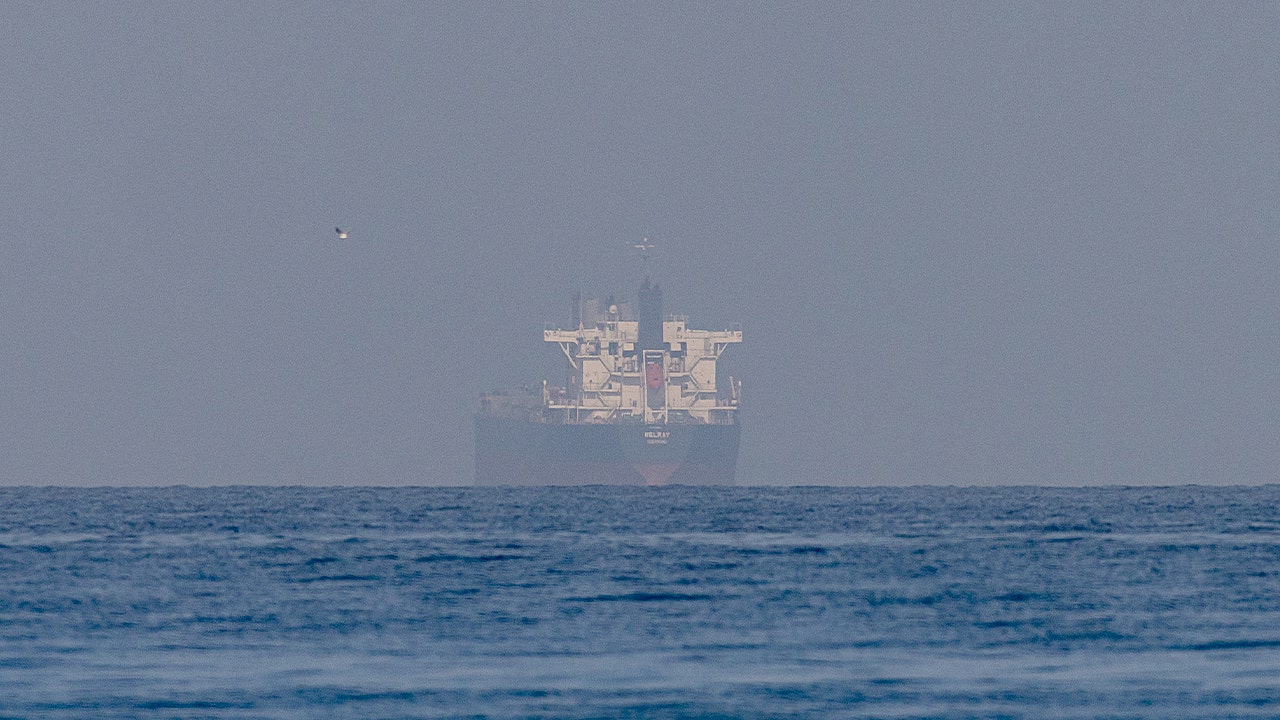
Photo: Al Jazeera — Strait of Hormuz amid US-Iran tensions
The $2M Transit Fee: Iran's New Economic Weapon
Since late February 2026, Iran has imposed a $2 million transit fee on every oil tanker passing through the Strait of Hormuz — the strategic waterway carrying 20% of global oil supply daily. This is retaliation following US-Israeli strikes on Iranian military infrastructure. The result: an 80% decline in tanker traffic since February 28, at least 5 ships damaged, and over 150 vessels stranded in the region.
→ At $2M per tanker carrying 2 million barrels, this adds ~$1/barrel — costs that will be passed directly to consumers worldwide.
Trump Delays Strikes 5 Days After “Productive Conversations”
Photo: Al Jazeera — Military activity in the Gulf region
According to CNN on March 23, 2026, President Trump delayed military strikes on Iran by 5 days after describing conversations with Tehran as “productive.” However, markets remain extremely cautious — Brent crude holds above $112/barrel as the risk of sudden escalation persists.
→ Each day of delayed strikes is a day fuel prices don’t spike further, but nobody knows how long it will last.
Global Oil Supply Chain Faces Breakdown Risk
According to Al Jazeera, the partial blockade of the Hormuz Strait has triggered a wave of speculation in oil markets. Countries heavily dependent on Gulf oil — India, Japan, South Korea, and China — are scrambling for alternative sources. Brent reached $112.87/barrel and WTI stands at $99.04/barrel as of March 23, 2026.
A report from Doanh Nghiep Hội Nhập on March 23 also warned of the risk of a complete global supply disruption, particularly affecting net oil importers like Vietnam.
Photo: Al Jazeera — Oil tankers in the Persian Gulf region
→ RON 95 gasoline in Vietnam could exceed 30,000 VND/liter if Hormuz closes completely. Every 1,000 VND/liter increase raises transport costs and consumer prices across the board.