Key Takeaways
- ▸Brent crude fell $7-8/barrel, erasing half the war premium
- ▸S&P 500 and Nasdaq jumped 2-3%, airlines surged 4-6%
- ▸Gold fell from $2,680 to $2,620 as capital rotated out of safe havens
- ▸Shipping rates dropped 15-20% on Hormuz reopening expectations
- ▸Lebanon tensions reversed approximately 40% of initial gains
The Ceasefire Deal
On April 8, 2026, the United States and Iran reached a two-week ceasefire agreement after days of intense negotiations. According to terms reported by NBC News and Al Jazeera, both sides agreed to halt military operations, begin de-escalation procedures at the Strait of Hormuz, and enter further negotiations on outstanding issues including Iran's nuclear program.
Markets reacted almost immediately. Within hours of the announcement, most major asset classes shifted dramatically. This was the first meaningful de-escalation since the conflict erupted, and the economic ripple effects were felt across global markets.
Crude Oil: Unwinding the War Premium
Brent crude fell approximately 7 to 8 dollars per barrel immediately following the announcement, dropping from peak war pricing of around 111 dollars to the 98 to 102 dollar range. The war premium embedded in oil prices had been estimated at 15 to 20 dollars, and this decline only unwound roughly half. The market remained cautious because the deal is only a temporary two-week ceasefire.
Approximately 20 percent of global oil supply transits the Strait of Hormuz. Throughout the conflict, oil tankers had to purchase expensive war risk insurance or reroute around the Cape of Good Hope, increasing shipping costs by 30 to 50 percent. The prospect of normalizing this route was the key driver behind the oil price decline.
▸ If you fill a 50-liter tank in Vietnam, the gasoline price drop of roughly 500-700 VND per liter from cheaper crude saves about 25,000-35,000 VND per fill-up.
Stock Rally: Airlines, Shipping, Consumer
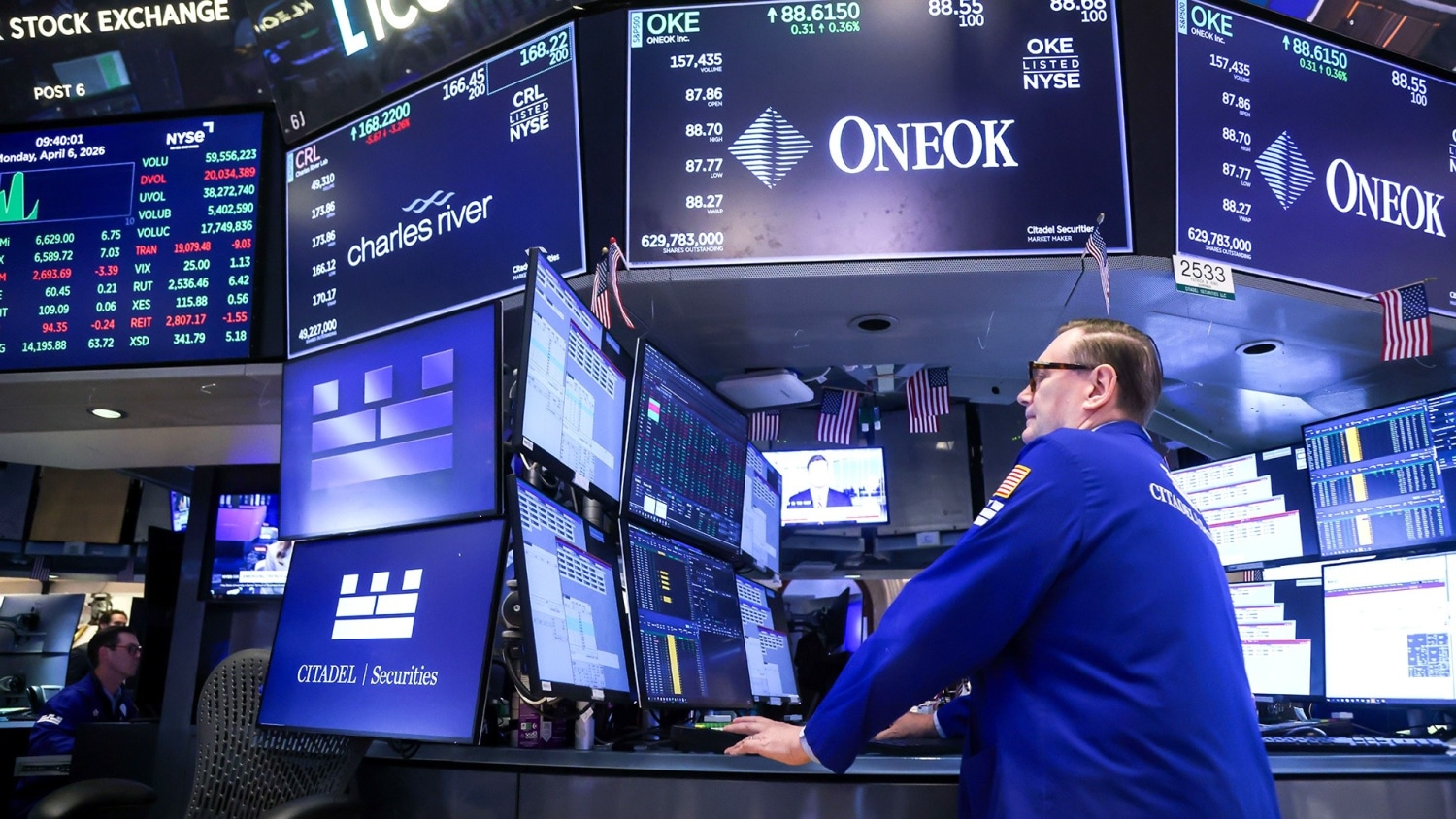
The S&P 500 and Nasdaq both jumped 2 to 3 percent in the session, marking the strongest single-day gain since early 2026. Sectors most directly benefiting from lower oil prices led the advance.
▸ A $10,000 S&P 500 portfolio gained roughly $200-300 in a single session -- equivalent to a typical month of average returns.
Gold: Safe-Haven Rotation
Gold fell from approximately 2,680 dollars to 2,620 dollars per ounce, losing about 60 dollars as capital rotated from safe havens into risk assets. This was gold's largest single-session decline since February 2026, but remained modest relative to the cumulative gains during the conflict period.
US Treasury bonds followed a similar pattern, with yields rising modestly as investors sold bonds to rotate into equities. The US dollar weakened slightly, supporting emerging market currencies and commodities.
▸ Holding 2 taels of SJC gold, you would see a value decrease of roughly 2.5-3 million VND in this session from the world gold price impact.
VN-Index and Emerging Market Beneficiaries
The VN-Index rose more than 18 points in the trading session. Vietnam is a net energy importer, so lower oil prices are directly positive: reducing inflationary pressure, improving the trade balance, and lowering production costs for key export industries.
Other emerging markets also benefited significantly. India, importing over 80 percent of its oil needs, was the largest beneficiary in absolute terms. Thailand and the Philippines also recorded 1 to 2 percent gains on their main indices. Currencies across these nations strengthened against the US dollar.
▸ 1,000 VCB shares gained approximately 900,000-1,200,000 VND in value from the VN-Index's 18-point rally.
Shipping Rates Plunge on Hormuz Hopes
Shipping rates fell 15 to 20 percent following the ceasefire news, reflecting expectations that the Strait of Hormuz would soon return to normal operations. Throughout the conflict, cargo vessels had to purchase expensive war risk insurance or reroute via the Cape of Good Hope, adding 10 to 14 days of transit time and significant additional costs.
This impact was particularly significant for LNG trade as many liquefied natural gas shipments from Qatar and Gulf states transit through Hormuz. Spot LNG prices in Asia also declined correspondingly, benefiting major importers like Japan and South Korea.
Defense Stocks Reversal
Defense stocks fell 3 to 4 percent in the session, with Lockheed Martin and Raytheon Technologies leading the decline. This was a natural reaction as the ceasefire reduced expectations for new weapons contracts and increased defense spending. However, analysts noted the decline was relatively small compared to cumulative gains throughout the conflict period.
The modest decline suggests the market still priced in a meaningful probability of continued or renewed conflict. Defense-focused funds largely reduced positions only moderately, reasoning that a temporary two-week ceasefire was insufficient to fundamentally alter long-term defense spending trajectories.
The Lebanon Factor: 40% Gains Reversed
Not all market reactions were positive. Tensions in Lebanon continued to escalate despite the US-Iran ceasefire, and this reversed approximately 40 percent of initial gains across multiple asset classes. Hezbollah declared it was not bound by the agreement between the US and Iran, creating fresh uncertainty.
Oil prices partially recovered toward the end of the session as Lebanon headlines eroded initial optimism. Gold also narrowed its losses, indicating investors quickly re-established hedge positions upon realizing geopolitical risks were not fully resolved.
Global Economic Cost: $200-300 Billion
Analysts estimate the total global economic cost of the US-Iran conflict at 200 to 300 billion dollars. This figure encompasses direct losses from trade disruptions through the Strait of Hormuz, elevated war risk insurance premiums, surging energy prices impacting global manufacturing, and reduced investment due to geopolitical instability.
Even if the ceasefire holds, much of the damage is irreversible. Supply chains have been restructured, long-term insurance contracts have been signed, and numerous investment projects have been delayed. Full recovery is estimated to take 6 to 12 months from when permanent peace is established.
Three Scenarios if the Deal Collapses
The ceasefire deal lasts only two weeks and multiple factors could cause it to collapse. Below are the three main scenarios analysts are monitoring.
Both sides agree to extend and begin formal negotiations. Brent drops to $85-90, S&P 500 gains another 3-5%, gold falls to $2,550. VN-Index could surpass 1,350 points.
The deal expires after two weeks but no immediate escalation follows. Markets drift sideways in uncertainty, oil returns to $105-108, gold recovers to $2,680. Extended stalemate period.
One side violates the ceasefire and conflict erupts more violently. Oil spikes to $120-130, gold surges past $2,800, S&P 500 drops 5-8%. Complete Hormuz blockade, global energy crisis.
▸ The US-Iran conflict cost the global economy an estimated $200-300 billion. A middle-class household in Vietnam felt the impact through gasoline prices rising 2,000-3,000 VND/liter, food costs up 5-8%, and higher consumer lending rates.
References
Start investing in Vietnamese equities with leading brokerages like VCBS, SSI, VPS.
Learn MoreFrequently Asked Questions
The most common questions about the market reaction to the US-Iran ceasefire.
More from this topic— US-Iran Conflict
Related Topics
Stay on top of trends
Bookmark this page and check back often for the latest updates and insights.