Key Takeaways
- B1 Bridge (Alborz) — Iran's tallest — struck: 8 killed, 95 wounded
- Strike coincided with Nature Day; crowds near the bridge
- Also hit: Tehran medical research center and steel plants
- Iran rejects US 15-point peace plan delivered via Pakistan
- Trump claims Iran requested ceasefire; Tehran flatly denies
- Iran demands Lebanon be included in any agreement
B1 Bridge: Iran's Most Prominent Civilian Landmark Destroyed
On April 2 (Day 33 of the conflict), US air forces struck the B1 Bridge in Alborz province — reported to be Iran's tallest bridge. According to Fox News, the strike killed at least 8 people and wounded 95 others.
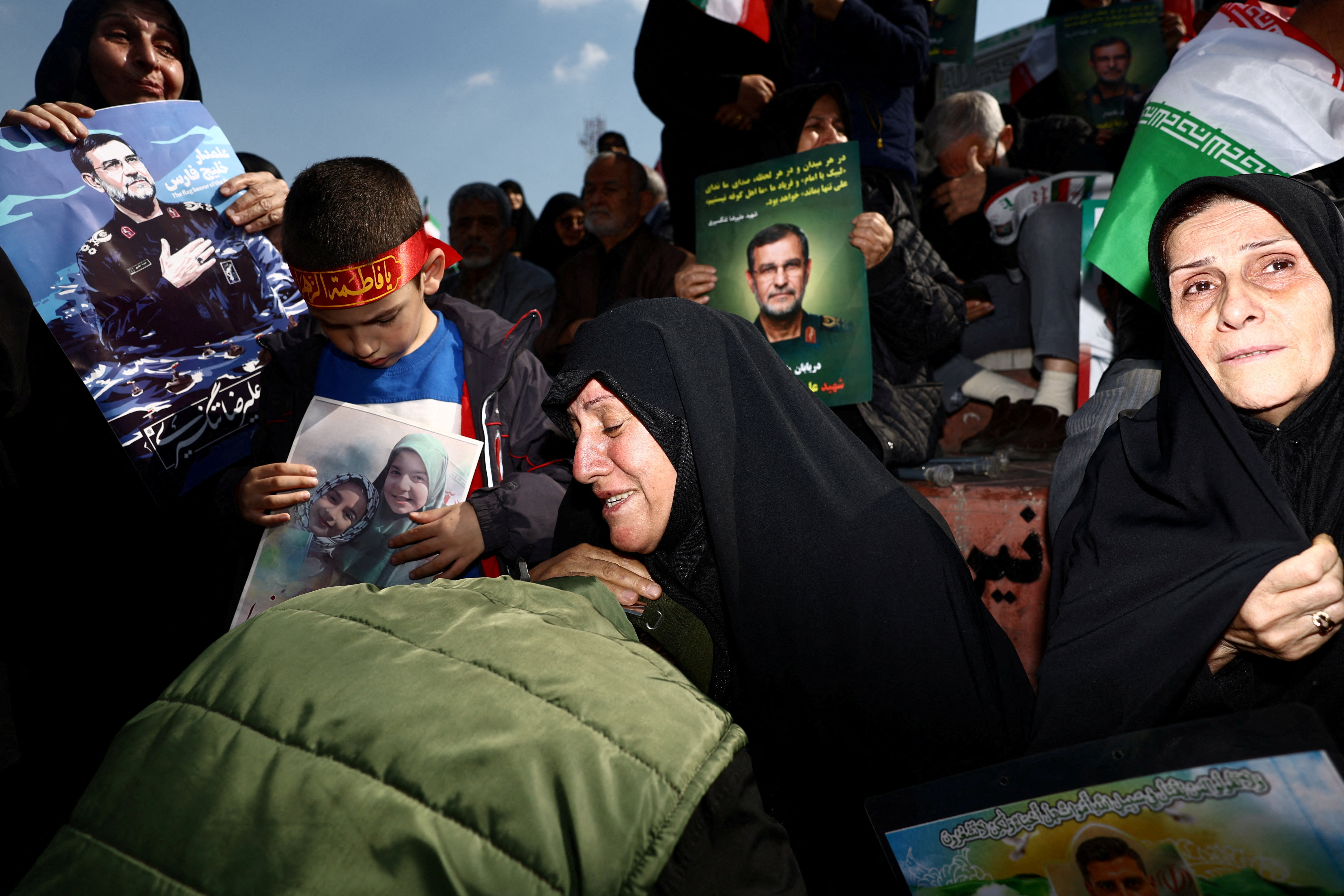
The strike coincided with Iran's Nature Day holiday, when large crowds gather at public areas including the vicinity of the bridge. Targeting such a prominent civilian structure during a national holiday has drawn widespread international condemnation.
→ For 80 million Iranians, the B1 Bridge strike symbolizes war's destruction of everyday life and civilian infrastructure.
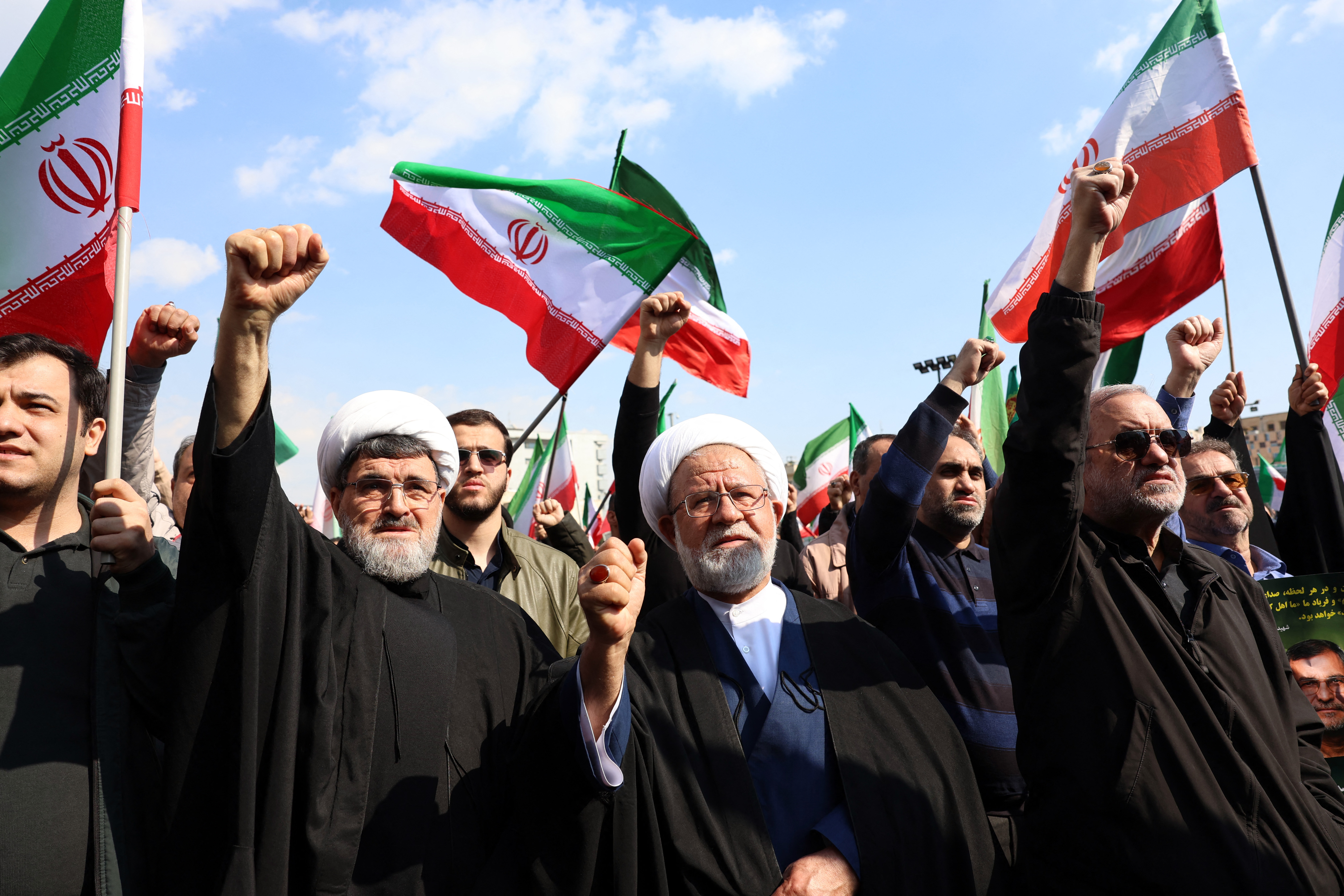
Photo: AFP
Other Day 33 Strike Targets
Beyond the B1 Bridge, US airstrikes also targeted a medical research center in Tehran and steel manufacturing plants. The strike on a medical facility is particularly serious, as it may violate international humanitarian law protecting medical facilities during armed conflict.
Iranian state media reported the research center was conducting civilian medical projects, including cancer and vaccine research. The US has not issued an official statement regarding this specific target.
→ Striking medical facilities risks international investigation. Vietnam has called for civilian protection at UN forums.
Diplomatic Deadlock: Iran Rejects, Trump Claims
President Trump claimed Iran had requested a ceasefire, but Tehran flatly denied this. According to CNBC, the US 15-point peace plan was delivered via Pakistan but rejected by Iran. Tehran demands Lebanon be included in any deal — a condition that complicates negotiations significantly.
Iran's demand to include Lebanon signals Tehran's intent to link this conflict to broader regional issues, including Hezbollah and Lebanese stability. This diplomatic strategy increases leverage but reduces the likelihood of a quick agreement.
→ Prolonged diplomatic deadlock keeps oil elevated, meaning living costs in Southeast Asia show no signs of easing.
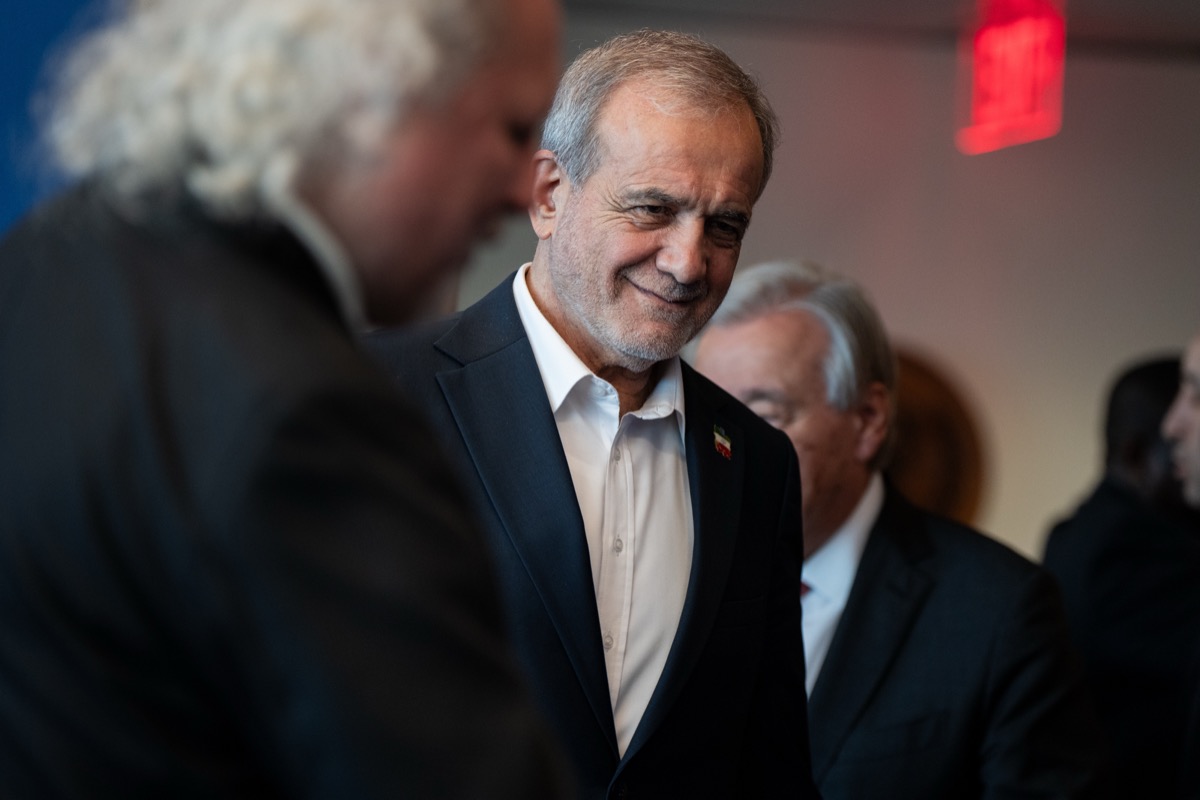
Photo: AP
Day 32 Recap: Iran Fires Ballistic Missiles at Gulf States
Just before the B1 Bridge strike, Day 32 (April 1) saw Iran launch a combination of ballistic missiles and drones at Gulf state military installations and energy infrastructure. According to Al Jazeera, this marked a significant escalation as Iran expanded targets to include American allies in the region.
The US Embassy in Baghdad immediately issued a security alert. Iran also threatened continued attacks on American allies if airstrikes do not stop. Gulf nations — including Saudi Arabia, UAE, and Qatar — raised their military alert levels to the highest tier.
→ Iran targeting US allies risks a region-wide conflict that could paralyze the entire Gulf.
Broader Context: 33 Days and No Exit in Sight
After 33 days of conflict, neither side shows willingness to back down. The US continues expanding airstrike targets to include civilian and industrial infrastructure. Tehran responds with missile strikes on US allies and maintains the Hormuz blockade. This cycle of violence shows no signs of abating.
Humanitarian organizations report worsening conditions: millions of Iranian civilians affected by power outages, medicine shortages, and transportation disruption. The United Nations has called on both sides for a humanitarian ceasefire to deliver aid supplies.
→ Each day of conflict adds ~$1-2/barrel to oil prices. 33 days in, Vietnam is paying ~15% more for oil imports than before the war.