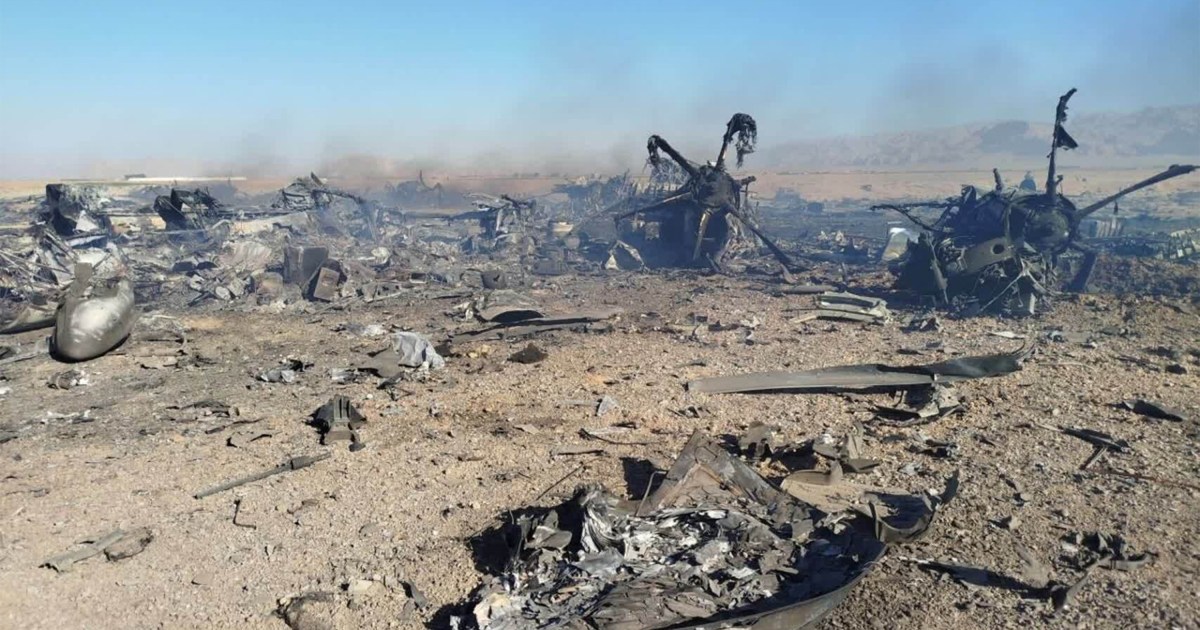
- Trump's April 6 Hormuz deadline passed — Iran rejected the ultimatum
- US pilot rescued after 30+ hours evading capture in Iranian territory
- Iran fired 3 ballistic missiles at Qatar: 2 intercepted, 1 hit oil tanker
- Iranian drone struck Kuwait airport fuel storage
- WTI crude at ~$112/barrel, up 37% since war began
- 13 US killed, 365 wounded; 2,076+ Iranians killed in conflict
- Israel invaded Lebanon pursuing Hezbollah forces
- Iran allowing Iraqi oil ships through Hormuz — partial concession
The Hormuz Deadline: Passed
President Trump set an April 6, 2026 deadline for Iran: open the Strait of Hormuz or face what he called "Power Plant Day and Bridge Day" — threatening strikes on Iran's critical power generation and transportation infrastructure. The threat came as Iran continued blocking the maritime route handling approximately 20% of global oil transit.
Iran dismissed the ultimatum, with Iran's foreign minister calling it "empty threats from a desperate administration." As the deadline passed, international analysts watched closely for whether the US would follow through. As of this report, no major strikes on Iranian power plants or bridges have materialized, though defense sources indicate strike packages remain prepared.
Pilot Rescue: 30+ Hours Evading Capture
In what has been described as the most complex rescue operation since the conflict began, a US pilot shot down over Iranian territory evaded capture for over 30 hours before special operations forces successfully extracted them. The pilot used survival techniques and intermittent communication with command while Iranian search parties actively hunted the area.
The mission required coordination between JSOC (Joint Special Operations Command), aerial assets, and intelligence teams tracking Iranian patrols. The operation's success provided a rare morale boost amid mounting losses, but also underscored the risks US pilots face operating over Iranian territory.
Iranian Missiles and Drones Strike Region
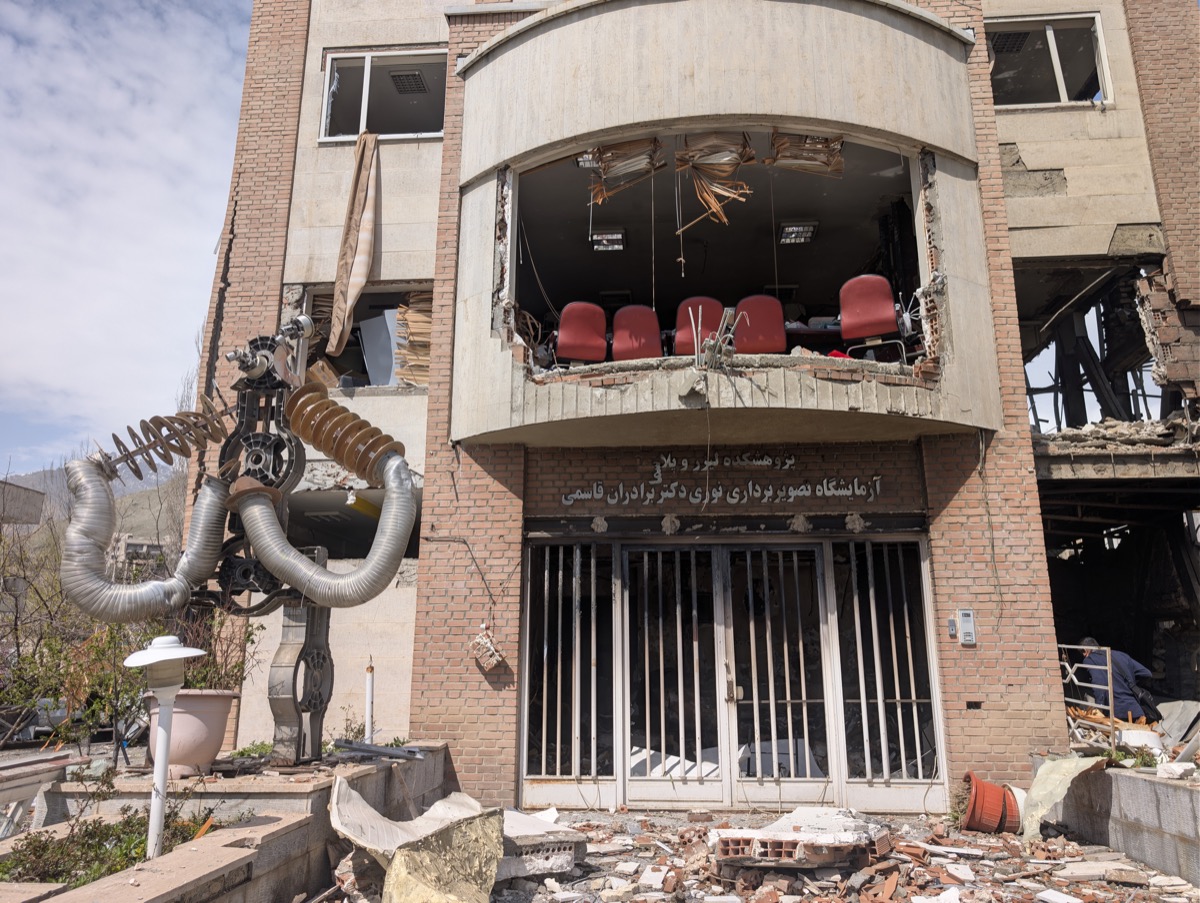
Iran expanded its strikes beyond its borders, launching 3 ballistic missiles at Qatar — a close US ally and home to al-Udeid Air Base. Patriot and THAAD defense systems intercepted 2 of the missiles, but the third struck an oil tanker near Qatari waters, causing damage and an oil spill. This marks the first direct Iranian ballistic missile attack on a Gulf state during the conflict.
Separately, an Iranian drone struck fuel storage at Kuwait's airport, damaging infrastructure and temporarily disrupting civilian aviation. Kuwait, which shares a border with Iraq and hosts multiple US military installations, is increasingly being drawn into the conflict despite its neutral stance. These attacks show Iran's willingness to raise the cost for US allies in the region.
Oil Prices and Casualties
WTI crude reached approximately $112/barrel by Day 36, up 37% since the war began on February 28. The Hormuz blockade, combined with strikes on regional oil infrastructure, has pushed fuel prices to their highest since 2022. Oil markets react sharply to each escalation — every new strike on energy infrastructure pushes prices several dollars higher per barrel.
On the casualty front, 13 US service members have been killed and 365 wounded since the conflict began. Iran reports over 2,076 killed on its side. Israel has also launched an invasion of Lebanon pursuing Hezbollah forces, opening yet another front in the multi-dimensional conflict. In a mixed signal, Iran has allowed Iraqi oil ships through the Strait of Hormuz — a partial concession that may be aimed at reducing international pressure.
Partial Concession: Iraqi Oil Ships Through Hormuz
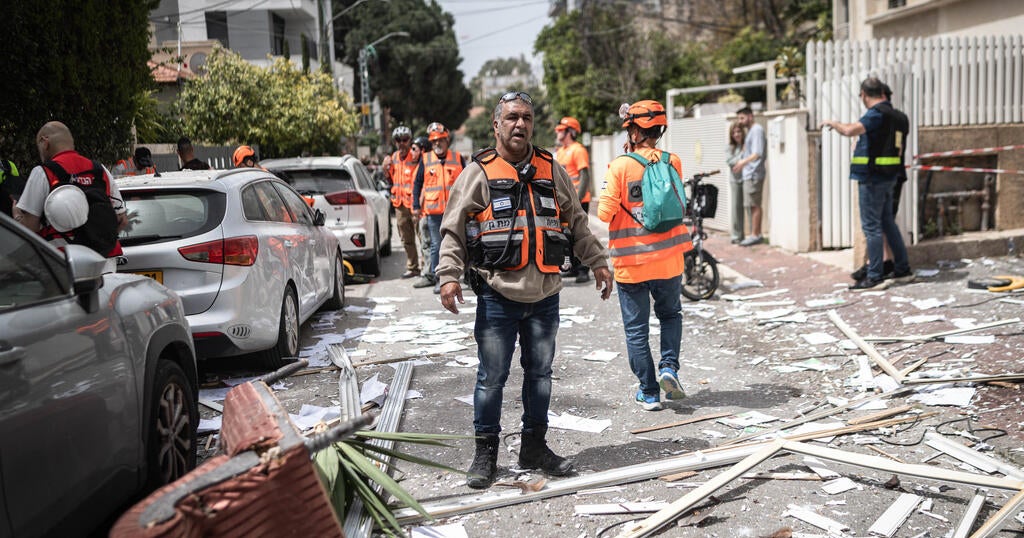
In a notable development, Iran allowed Iraqi oil ships to pass through the Strait of Hormuz — a partial concession amid the broader blockade. Analysts interpret this move in different ways: some suggest Iran is preserving its relationship with Iraq (a traditional ally); others see it as a tactic to divide the regional coalition by demonstrating Iran can selectively determine who gets blockaded.
Regardless of motivation, the partial passage shows the Hormuz blockade is not as total as initial reports suggested. However, most commercial oil tankers remain blocked, and the risk of attack means many shipping companies refuse to transit even when allowed. Maritime insurance premiums through the strait have increased 10-fold since the conflict began.
Impact on Vietnam
Vietnam imports approximately 70% of its fuel needs from abroad, with a significant portion coming from the Middle East. The Hormuz blockade forces importers to find more distant alternative sources, increasing shipping costs. Retail fuel prices in Vietnam have risen through consecutive adjustment periods since the conflict began.
The ripple effects extend across sectors: freight costs up 12-18%, pushing food and construction material prices higher. Farmers and fishermen — who depend directly on fuel — are hardest hit. The Ministry of Industry and Trade is considering tapping the Fuel Price Stabilization Fund to absorb shocks, but the fund is limited and cannot offset prolonged high oil prices.